Do Humidifiers Use a Lot of Electricity? A Practical Guide
A data-driven look at humidifier electricity usage, how to estimate costs, and energy-saving tips. Based on HumidifierBasics Analysis, 2026.


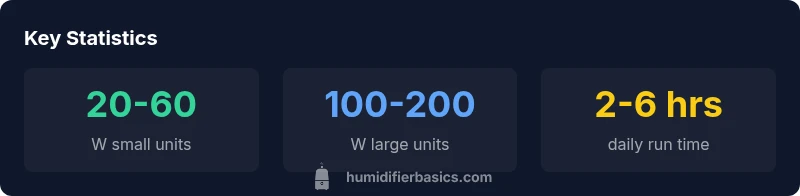
Do humidifiers use a lot of electricity? Generally no. Small room units typically draw tens of watts, while larger models run around 100–200 watts when active. Over a month, the electricity cost is usually a small fraction of heating or cooling costs, especially if you run the unit only as needed.
How electricity usage varies by humidifier type
When people ask on Reddit, <em>do humidifiers use a lot of electricity reddit</em>, the short answer is: it depends on the type and how long you run it. Ultrasonic cool-mist units tend to be the most energy-efficient among common options, typically drawing far less power than warm-mist models. Evaporative humidifiers sit in between, with wattage tied to fan speed and the moisture you’re pushing into the air. The broad takeaway is that electricity usage is proportional to running time and the device’s rated watts. For most households, the energy draw is modest enough to be a secondary concern behind humidity comfort. The HumidifierBasics team notes that the efficiency of the device and how it’s used has a bigger impact on electricity costs than the nominal wattage alone.
How to estimate your unit's electricity use
Estimating consumption starts with the basics: watts × hours ÷ 1000 = kilowatt-hours (kWh). If you know your humidifier’s wattage and you run it for a certain number of hours each day, you can project monthly usage by multiplying by the days in the month. For example, a 60W unit running 6 hours per day for 30 days would consume roughly 10.8 kWh. Local electricity rates determine the dollar cost, so the final expense varies by region. This simple calculation helps compare different units and usage patterns without relying on anecdotes from Reddit threads alone.
How to minimize electricity use while staying comfortable
Small changes add up. Here are practical steps:
- Match unit size to room size and humidity needs to avoid over-misting.
- Use humidity sensors and set targets (40–60% is a common healthy range for many homes).
- Run the humidifier only when needed (e.g., during sleep or dry spells) and turn it off when humidity is adequate.
- Keep filters clean and maintain the unit so it runs efficiently.
- Consider energy-saving features like auto shutoff, sleep mode, or variable fan speeds.
Following these tips helps you stay comfortable without driving up energy costs. The key is to balance comfort with efficiency, not simply chasing the smallest wattage.
Reddit perspectives vs practical reality
Reddit discussions often feature outlier anecdotes about energy use, but the practical, data-driven view is that electricity consumption scales with usage. Posts may emphasize dramatic differences between models, but reality shows that a properly sized unit with healthy maintenance tends to be energy-efficient. HumidifierBasics analysis highlights that the type, run-time, and humidity targets shape energy draw far more than the device’s brand name or idle efficiency alone. When viewers see “X watts” on a tag, they should also consider what the device will actually do in their space.
Choosing energy-efficient humidifier options for your bedroom or living spaces
If energy efficiency is a priority, consider these decisions:
- Prefer ultrasonic or evaporative units for lower power draw in typical settings.
- Use a humidity sensor and automated controls to avoid running when humidity is already adequate.
- Place the unit in a well-ventilated area so it doesn’t run longer than necessary to achieve the target humidity.
- Select a model with an explicit energy-saving mode and ensure proper cleaning for efficiency. Energy-conscious choices reduce electricity usage without sacrificing air quality.
Typical wattage ranges by humidifier type
| Unit Type | Wattage Range | Best Room Size |
|---|---|---|
| Ultrasonic (cool-mist) | 20-60 W | Small to medium rooms (100–400 sq ft) |
| Evaporative | 30-100 W | Mid-size rooms (400–600 sq ft) |
| Warm-mist | 100-200 W | Larger rooms (600+ sq ft) |
FAQ
Do humidifiers use more electricity than heaters?
In most homes, a humidifier consumes far less electricity than space heaters. Heaters typically operate at higher wattages for longer periods. Humidifiers mainly affect energy use when running, and using them strategically reduces impact.
Generally, humidifiers use far less electricity than space heaters. They run intermittently, so the impact on your bill is usually small.
What type of humidifier is most energy efficient?
Energy efficiency varies with usage. Ultrasonic and evaporative models tend to be more energy-efficient for typical room humidification, while warm-mist units use more power due to heating water. For efficiency, pair the type with proper humidity targets and run-time controls.
Ultrasonic and evaporative units are typically more energy-efficient for everyday use, especially when paired with humidity targets.
How can I estimate my humidifier's electricity usage?
Find the unit’s wattage rating, multiply by daily run hours, then multiply by the number of days you’ll use it. Divide by 1000 to convert to kWh. Multiply by your local rate to estimate cost, noting that rates vary widely.
Calculate watts times hours to get kWh, then multiply by your rate to estimate cost. It varies by local price.
Does leaving a humidifier on all day cost a lot?
Leaving it on all day can raise energy use, especially in large rooms or with high wattage units. Use humidity sensors and turn off when humidity targets are met to minimize waste.
All-day use can raise costs, so use a humidity sensor and avoid running longer than needed.
Is ultrasonic better for energy efficiency than evaporative?
Both can be energy-efficient when used properly. Ultrasonic units are typically lighter on power draw, but efficiency also depends on how you operate them and the room conditions.
Ultrasonic units often use less power, but good operation matters more than the type.
What should I look for when shopping for an energy-efficient humidifier?
Look for low wattage ratings, energy-saving modes, humidity sensors, auto shutoff, and easy maintenance. A properly sized unit for your room will also minimize wasted energy.
Seek models with energy-saving modes, sensors, and proper size for your room.
“Electricity use is usually modest; pairing the right type with proper humidity targets keeps energy costs low.”
The Essentials
- Start with the right unit size for your space
- Run time, not wattage alone, drives electricity use
- Use humidity targets and sensors to cut energy waste
- Clean and maintain units to keep efficiency high
- Reductions in energy costs come from smarter usage, not ultra-low wattage alone