How to Remove Mineral Deposits From Humidifier: A Practical Guide
Learn safe, proven steps to remove mineral deposits from humidifiers, prevent buildup, and extend device life with simple cleaning using vinegar, distilled water, and routine maintenance.


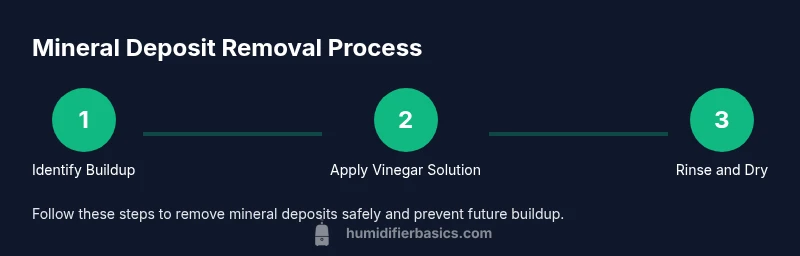
Goal: Remove mineral deposits from your humidifier safely and effectively. This quick guide covers identifying buildup, selecting safe cleaners, and step-by-step cleaning for ultrasonic, evaporative, and warm-mist models. Unplug the unit, disassemble removable parts, soak in a vinegar solution, scrub mineral deposits, rinse thoroughly, and dry before reassembling. Use distilled water after cleaning to minimize future buildup.
What mineral deposits are and how they form in humidifiers
Mineral deposits, commonly called limescale, build up when calcium, magnesium, and other minerals in tap water dry and leave behind solid residues. In humidifiers, this buildup tends to accumulate on tank walls, heating elements (in warm-mist models), and inside the base where water sits. The more hard water you use, the faster the deposits appear. According to HumidifierBasics, mineral buildup can reduce efficiency, alter humidity output, and potentially create an unpleasant odor if allowed to progress. Regular removal helps maintain consistent humidity and prolongs the life of your unit. By understanding where deposits form and why they occur, you can tailor your cleaning approach to your specific model, water type, and usage pattern. The goal is a clean reservoir, nothing slimy, and a dry, safe mechanism ready for use.
Where buildup occurs most: tanks, bases, and filters
In most humidifiers, mineral deposits concentrate in three hot spots: the water tank, the base reservoir, and any removable filters or wicks. Ultrasonic models often show mineral films on the tank walls and the ultrasonic diaphragm, while evaporative units accumulate scale in the wick or cartridge housing. Warm-mist units may collect deposits on the heating coil and around the nozzle. Deposits reduce airflow, cause puffs of dry air, and can harbor bacteria if the device isn't cleaned regularly. Regular inspection after each refilling helps you spot early buildup. If you notice a white chalky film on the tank or a crusty ring around the base, it’s time to clean before operating again. Taking action early keeps performance steady and helps prevent leaks or clogging of small passages.
Health and air-quality considerations
Residues from mineral deposits themselves are typically inert, but buildup can create microenvironments where bacteria and mold can thrive if the unit is not cleaned adequately. Air quality may be affected by uneven humidity, musty odors, or mineral dust being dispersed when the device runs. For households with infants, elderly residents, or allergy-prone members, consistent cleaning reduces exposure to irritants and maintains a safer breathing environment. Humidifier maintenance isn't just about device performance; it's also about your indoor air quality. Following a regular cleaning schedule and using methods recommended by HumidifierBasics ensures you limit mineral buildup, minimize potential contaminants, and keep the humidity at healthy, comfortable levels. Always unplug before cleaning and never operate the unit while disassembled.
Safety considerations before you start
Before you reach for cleaners, unplug the humidifier and remove water from the tank. Use gentle, non-abrasive tools to avoid scratching surfaces or damaging seals. If your model contains electronic components or a sealed base, follow the manufacturer’s disassembly instructions. Avoid using bleach on most humidifiers, as it may corrode gaskets or plastic parts and release harmful fumes when heated. Work in a well-ventilated area and wear gloves to protect skin from cleaning solutions. If you’re unsure about your model’s safety guidelines, consult the user manual or HumidifierBasics guidelines for model-specific cautions. Do not submerge the electronic base in water.
Cleaning solutions: what works and what to avoid
A 1:1 solution of white vinegar and water is a common, effective descaler for mineral deposits on many humidifier parts. For stubborn spots, you can use a mild dish soap solution with a soft brush. Rinse thoroughly after soaking to avoid vinegar scent or soap residue in the next cycle. Some manufacturers offer cleaning pucks or tablets—check compatibility with plastics and seals. Avoid bleach or hydrogen peroxide on units with painted surfaces; they can cause chemical reactions or damage gaskets and coatings. For clear plastics, a 50/50 vinegar and water solution with gentle scrubbing can remove buildup without harsh abrasion. After cleaning, allow all components to air-dry completely before reassembly.
Tools and materials overview
Gather supplies before you start to keep airflow clear and reduce cleanup time. You will need a soft brush, non-abrasive sponge, cotton swabs, a measuring cup, mild dish soap, white vinegar, distilled water for rinsing, a small container for soaking, towels, and gloves. Having these items at hand helps you complete the process in one session and minimizes the risk of leaving parts exposed to dusty air while wet. Always inspect seals and gaskets for signs of wear and replace them if needed.
Step-by-step cleaning overview
Break the process into clearly defined actions: unplug and disassemble, prepare your cleaning solution, soak removable parts, scrub all mineral surfaces, rinse and dry, reassemble, and test. This approach reduces the chance of missed spots and ensures you’ve removed both visible deposits and microfilm.
Step-by-step: prepare your work area
Set the humidifier on a stable, water-proof surface. Lay a towel to catch drips and keep a trash bag handy for broken parts or spent cleaning solutions. Ventilate the area; vinegar fumes will dissipate quickly when used in a well-ventilated space. Put on gloves and safety glasses if desired. Gather all tools and make sure your workspace is dry before you start.
Step-by-step: remove parts and inspect
Unplug the device, remove the water tank, and detach any filters or wicks according to the manual. Inspect seals and gaskets for cracks or wear. If parts are difficult to separate, avoid forcing them; consult the manual or HumidifierBasics troubleshooting. Wipe the interior surfaces with a damp cloth to remove loose dust before soaking.
Step-by-step: soak and scrub mineral deposits
Soak removable parts in the vinegar solution for 10-15 minutes, or longer for stubborn buildup. Use a soft brush or cotton swab to scrub mineral films from tank walls, the base, and tubing as needed. Rinse periodically during scrubbing to prevent dried vinegar from creating residues. For hard-to-reach corners, use a cotton swab dipped in cleaning solution; avoid metal tools that could scratch.
Step-by-step: rinse, dry, and reassemble
Rinse all parts with distilled water until there’s no vinegar smell and no soap residue. Dry thoroughly with a clean towel, then air-dry any remaining damp areas before reassembly. Reassemble the humidifier according to the manual, ensure all seals are seated, and reconnect to power. Run a test cycle with plain water to ensure proper operation and check for leaks.
Maintenance tips to prevent mineral deposits
To minimize mineral buildup, use distilled water or demineralized water whenever possible. Change water daily and clean weekly or monthly depending on usage. Consider using a humidifier with a built-in descaler or a filter cartridge if your model supports it. Regularly inspect the tank and base for signs of wear, replace worn seals, and store in a dry area when not in use. Document a maintenance schedule to stay consistent.
Tools & Materials
- White vinegar(Use 1:1 vinegar-to-water for descaling; avoid mixing with bleach.)
- Distilled water(For rinsing and diluting cleaning solutions.)
- Mild dish soap(Gentle soap for light degreasing.)
- Soft brush(Non-metal brush to avoid scratches.)
- Non-abrasive sponge(For gentle scrubbing.)
- Cotton swabs(Great for corners and tubing.)
- Small container for soaking(Deep enough to submerge parts.)
- Measuring cup(Accurate vinegar/water mix.)
- Old towel or cloth(Contain drips and protect surface.)
- Gloves(Protect skin from cleaning solutions.)
- Screwdriver (if needed)(Only if model requires disassembly with screws.)
Steps
Estimated time: Estimated total time: 25-60 minutes
- 1
Power down and unplug
Ensure the humidifier is fully OFF and unplugged from power. Remove any water and let the unit cool if recently used. This protects you from electrical shock and prevents accidental operation during cleaning.
Tip: Keep the power cord away from water to avoid shocks. - 2
Remove detachable parts
Take off the water tank and detach any filters or wicks per the user manual. This exposes mineral deposits and allows thorough cleaning of all affected surfaces.
Tip: Do not force parts loose; consult the manual if resistance occurs. - 3
Prepare cleaning solution
Mix a 1:1 vinegar-to-water solution in a container. This solution helps dissolve mineral buildup without harsh chemicals. Label the container to avoid cross-contamination.
Tip: Avoid using bleach in the same solution. - 4
Soak removable parts
Submerge removable components in the vinegar solution for 10–15 minutes. This loosens scale and makes scrubbing easier.
Tip: For stubborn spots, soak longer or reapply vinegar solution. - 5
Scrub mineral deposits
Use the soft brush and cotton swabs to scrub all surfaces where buildup is visible. Pay attention to corners, tubing, and tank seams.
Tip: Never use metal tools that could scratch plastic or corrode seals. - 6
Rinse parts
Rinse each part with distilled water to remove vinegar and loosened deposits. Ensure all soap or vinegar residues are removed to prevent off smells.
Tip: Rinsing with distilled water minimizes mineral residue. - 7
Inspect seals and gaskets
Check for cracks or wear on seals; replace if necessary. Damaged seals can leak and reduce humidity control.
Tip: Replace worn seals before reassembly to maintain performance. - 8
Dry thoroughly
Pat dry with a clean towel and air-dry all parts completely. Moisture left in seams can promote mold when stored.
Tip: Ensure all components are completely dry before reassembly. - 9
Reassemble the humidifier
Put the tank back on and reattach filters or wicks as per the manual. Ensure seals are seated properly to prevent leaks.
Tip: Double-check that parts align with their ports. - 10
Test run with water
Fill with plain water and run a short cycle to verify there are no leaks and that humidity output is steady.
Tip: If you notice leaks, power off and recheck seals. - 11
Clean after use and store dry
Wipe the exterior and store in a dry place. Empty kept water and dry surfaces reduce mold risk in storage.
Tip: Keep the unit elevated from damp surfaces. - 12
Schedule ongoing maintenance
Set a reminder to clean weekly during high-use seasons and adjust frequency based on water hardness and usage.
Tip: Using distilled water is a simple ongoing prevention.
FAQ
Can I use bleach to remove mineral deposits from a humidifier?
Bleach is generally not recommended for humidifiers because it can degrade seals and plastics and may release harmful fumes when heated. Use vinegar or manufacturer-approved cleaners instead. Always follow your model’s cleaning instructions.
Bleach isn’t usually advised for humidifiers. Use vinegar or the cleaner recommended by the manufacturer, and follow safety guidelines.
How often should I clean mineral deposits from a humidifier?
Clean mineral deposits at least every one to two weeks during heavy use and at least once a month during light use. More frequent cleaning is advised if you have very hard water or mineral buildup becomes visible.
Clean it regularly—every one to two weeks when in heavy use, and monthly otherwise.
Is vinegar safe for all humidifier parts?
Vinegar is safe for many humidifier parts, but you should avoid vinegar on certain coatings or metal parts that may react. Always check the user manual or HumidifierBasics guidelines for model-specific recommendations.
Vinegar works for many parts, but check your manual to be sure it’s safe for your model.
Will mineral deposits affect air quality?
Excess buildup can cause uneven humidity and dispersal of mineral dust, potentially irritating the airways. Regular cleaning helps maintain healthy air quality and humidity levels in your home.
Yes, buildup can affect air quality if not cleaned regularly.
What water type best prevents mineral buildup?
Distilled or demineralized water significantly reduces mineral deposits compared with tap water. This simple change can dramatically extend time between deep cleanings.
Distilled water helps cut down mineral buildup significantly.
Watch Video
The Essentials
- Identify mineral buildup early to simplify cleaning.
- Use vinegar solution safely and rinse with distilled water.
- Always unplug and dry parts before reassembly.
- Distilled water minimizes future mineral deposits.
- Regular maintenance protects performance and air quality.