Fix Furnace Humidifier: Step-by-Step Guide
Learn how to fix a furnace humidifier with a practical, step-by-step guide from HumidifierBasics. Safety-first tips, cleaning methods, maintenance routines, and troubleshooting to improve home air quality.


You can fix a furnace humidifier by safely inspecting the water panel, cleaning mineral buildup, replacing the filter or pad, and verifying the humidistat and wiring. Start by cutting power at the furnace and closing the gas valve if applicable, then follow the step-by-step checks to restore proper humidity. This approach emphasizes safety and uses common household tools.
Understanding furnace humidifiers and common failure modes
Furnace humidifiers are designed to add moisture to the air as part of the home heating system. When they fail, common symptoms include low humidity levels, unusual buzzing or humming, drips or leaks, and mineral buildup on water panels or pads. The HumidifierBasics team has found that many fixes come down to cleaning mineral deposits, ensuring proper water flow, and verifying electrical controls. By understanding typical failure modes, you can triage effectively without overhauling the entire system. This section lays the groundwork for practical diagnosis and safe repair steps that homeowners and renters can perform with common tools and a little patience.
Safety first: prerequisites before you begin
Before you touch any furnace components, power down the system and isolate the area to prevent accidental startup. Turn off the furnace circuit at the breaker, switch the thermostat to off, and if possible, shut off the gas valve. Wear protective eyewear and gloves, and keep liquids away from electrical parts. If you smell gas or detect a strong burning odor, exit the area and call a licensed professional. Taking these safety steps reduces the risk of shock, fire, or gas exposure while you inspect the humidifier.
Diagnosing typical furnace humidifier problems
Start by visual inspection: look for corrosion, loose wires, or water leaks around the humidifier cabinet. Check the water panel or pad for mineral buildup, and observe whether the water valve opens when the system calls for humidity. Listen for abnormal sounds and verify that the humidistat is properly set. If the unit runs but produces little or no mist, the issue is often mineral deposits, a clogged valve, or a failed relay. A systematic check helps you decide whether cleaning, replacement, or professional service is needed.
Cleaning and mineral deposit management
Mineral buildup is the primary cause of reduced performance. Remove the humidifier cover and take out the pad or panel for cleaning. Use a soft brush and a vinegar solution or a descaler recommended by the manufacturer to dissolve mineral deposits. Rinse thoroughly and reassemble only after components are completely dry. Avoid harsh chemicals near electrical parts. This process can restore flow and improve humidity output without expensive parts replacements.
Replacing components and when to upgrade
If cleaning does not restore function, inspect the pad or filter for wear and replace as needed. Check the fill valve for smooth operation and replace if it sticks or leaks. If wiring or the humidistat shows signs of wear, consider replacing the control module or wiring harness. Upgrading to a newer, energy-efficient model may offer better reliability and air quality, but ensure compatibility with your furnace and ductwork before purchasing.
Maintenance routines to prevent future failures
Establish a simple quarterly routine: wipe down the housing, test the humidistat, replace filters or pads per manufacturer recommendations, and check for mineral buildup near water lines. Use distilled water if mineral content in your water is high, and keep the area around the furnace clean and dry. Regular maintenance reduces calls to technicians and extends the life of your humidifier.
Troubleshooting flow if the furnace runs but humidity remains low
If the furnace is operating but humidity is still low, revisit the water path for kinks or blockages, verify the intake and exhaust air paths, and confirm there are no blocked vents in the return duct. Re-check the panel seals so air cannot bypass the humidifier. Document symptoms and timing to share with a professional if the issue persists. A methodical approach saves time and money.
Testing and verifying humidity output after repairs
After reassembly, power the system back on and set the humidistat to a comfortable level. Use a reliable hygrometer placed in the living area to track relative humidity over 24 hours. If readings stay within your target range (typically 30–50% indoors), the fix succeeded. If not, reassess components or consider professional evaluation.
Common mistakes to avoid during DIY repairs
Avoid bypassing safety switches or running the furnace while panels are open. Don’t use aggressive chemical cleaners near electrical components, and never soak wiring or motors. Misidentifying a fault as a simple cleaning task can lead to repeated failures. Take photos before disconnecting wires and label connections to ensure correct reassembly.
Tools & Materials
- Screwdriver set (Phillips and flathead)(to open access panels and fasteners)
- Soft brush or old toothbrush(to scrub mineral deposits from pads and panels)
- White vinegar or descaler(for mineral deposit removal (follow product directions))
- Replacement humidifier pad or filter(-if your model uses a replaceable pad or filter)
- Bucket and towels(catch drips and keep workspace dry)
- Gloves and safety glasses(personal protection during cleaning and inspection)
- Needle-nose pliers(for clips or small connectors)
- Multimeter (optional)(to check basic wiring continuity)
Steps
Estimated time: 60-90 minutes
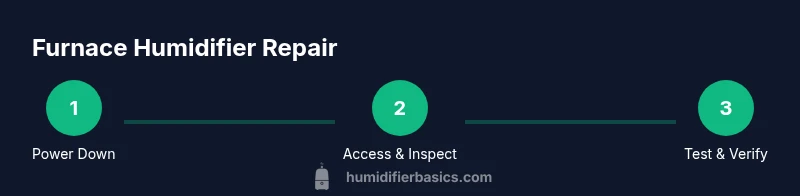
- 1
Power down and secure the system
Switch off the furnace circuit at the breaker and set the thermostat to off. If safe, shut the gas valve to eliminate ignition risks while you work. Allow components to cool if recently in use and keep liquids away from electrical parts.
Tip: Use lockout-tagout if available and verify the power is truly off with a tester. - 2
Access the humidifier cabinet
Remove the access panel screws and gently swing open the cabinet. Note wiring and connections, as you may need to reseat them later. Photograph wires before disconnecting anything to aid reassembly.
Tip: Work on a clean, dry surface and keep track of all small screws. - 3
Inspect water path and panel
Check the water panel or pad for mineral buildup, and verify the fill valve opens when humidity is requested. Look for leaks or cracks in the housing. Ensure the water supply line is not kinked or blocked.
Tip: A bright flashlight helps reveal hidden deposits or cracks in the panel. - 4
Clean mineral deposits
Soak and scrub mineral deposits with a soft brush and vinegar solution. Rinse until clear and dry thoroughly before reassembly. Avoid saturating electrical components.
Tip: Never mix cleaning solutions with unknown chemicals near motors. - 5
Check humidistat and wiring
Test the humidistat setting and inspect wiring for looseness or corrosion. If you see frayed wires, replace the harness or consult a pro. A loose connection can cause intermittent operation.
Tip: If you lack a meter, gently wiggle connections to detect loose contacts visually. - 6
Reassemble and test
Reinstall the panel, restore power and air supply, and set the humidistat. Monitor humidity output with a hygrometer for 24 hours to confirm stable performance. If issues persist, contact a technician.
Tip: Run the system for at least 15–20 minutes to get an accurate read on humidity output.
FAQ
What are the most common signs my furnace humidifier needs repair?
Low or no humidity, leaks, unusual noises, or inconsistent performance are typical indicators that repairs are needed. A visual check for mineral buildup and a test of the humidistat often reveals the problem.
If your humidity levels are inconsistent, start with a visual inspection and humidistat test to identify the fault.
Can I fix a furnace humidifier myself?
Basic cleaning, panel access, and pad replacement are commonly doable for homeowners. More complex electrical issues or gas-related concerns should be handled by a licensed professional.
You can handle the simple cleaning and pad replacement, but leave wiring and gas-related concerns to a pro.
Should I use distilled water in the humidifier?
Distilled water reduces mineral buildup and prolongs component life. If you use tap water, expect more deposits and more frequent cleanings.
Using distilled water helps keep the unit cleaner and working longer.
When should I replace rather than repair a furnace humidifier?
If components are corroded, obsolete, or repair costs approach or exceed replacement, consider upgrading. A newer model may offer greater reliability and efficiency.
If it keeps failing or parts are hard to find, replacement may be the smarter choice.
Is a furnace humidifier safe around pets?
Most systems are safe when installed correctly. Keep the area away from pet access to water lines and electrical components, and supervise maintenance activities.
With proper installation and supervision, pets can be safe around a well-maintained humidifier.
How long should I wait after repair to evaluate performance?
Allow the system to run for 15–20 minutes and then check humidity with a hygrometer. If readings are off, recheck connections and settings.
Give it a short test run, then verify with a hygrometer to confirm stability.
Watch Video
The Essentials
- Power safety first before any inspection.
- Clean mineral deposits to restore airflow and humidity output.
- Replace worn pads or filters as needed.
- Test humidity with a hygrometer after repair.
- Regular maintenance prevents most furnace humidifier problems.