Replace Humidifier on Furnace: A Practical How-To
Learn how to safely replace a furnace humidifier with a compatible furnace-humidifier, including tools, steps, safety tips, and maintenance for better home air quality.


By replacing a humidifier on a furnace, you restore proper humidification to your HVAC system. The process requires a compatible furnace-humidifier replacement, basic plumbing, electrical awareness, and the right tools. Shut off power and gas, drain lines, and verify water flow and seals after installation. Expect measurement checks and leak testing after you complete the install.
What replacing a humidifier on a furnace means for your home
Replacing a humidifier on a furnace is more than swapping parts. It restores consistent moisture levels, protects woodwork and furniture, and helps maintain comfortable indoor air quality. According to HumidifierBasics, a properly chosen furnace-humidifier replacement ensures compatibility with your HVAC setup and reduces mineral buildup that can impair performance. When you replace an older unit, you also improve energy efficiency because a correctly functioning humidifier works with the furnace controls rather than fighting against them. This section lays the groundwork: understand why you’re replacing the unit, what kind of humidifier your system supports (bypass, fan-assisted, or whole-house), and how the replacement affects maintenance tasks like filter and water-quality checks. In short, replacing the humidifier on your furnace is an investment in consistent humidity, lower dust and irritation, and a healthier living environment.
How to choose a compatible furnace humidifier replacement
Choosing the right furnace-humidifier replacement starts with compatibility checks. Verify the mounting type matches your furnace cabinet and that the water inlet size aligns with your existing water line. If your current setup is a bypass humidifier, you’ll want a replacement that accommodates the same bypass routing. For fan-assisted models, confirm electrical compatibility and control wiring with your thermostat or furnace control board. Consider water quality and mineral content when selecting a replacement: some units include built-in anti-scaling features or require a harsher mineral filter. Read the manufacturer’s installation sheet for clear guidance on pipe diameter, mounting screws, and drainage requirements. Finally, ensure the unit is rated for your home’s square footage and humidity targets. A well-chosen replacement reduces the chance of leaks and prevents dry-air complaints in winter.
Safety, codes, and planning before you begin
Before touching the furnace, shut off all power to the system and any gas supply if applicable. Do not work on live electrical components. Drain any water lines to avoid spurting water, and keep the work area dry to prevent slips. Check local codes or HOA rules for furnace work, especially if you live in a rental or multi-family building. If you’re unsure about electrical connections or the integrity of the furnace wiring, plan to consult a licensed HVAC technician. Keeping a detailed plan helps you avoid mistakes that could void warranties or cause water damage. Remember that this project involves both plumbing and electrical work, so a methodical approach pays off in reliability and safety.
Tools, materials, and prepping your space
Having the right tools ready makes the replacement smoother and safer. Gather: a screwdriver set (Phillips and flathead), adjustable wrench, pliers, a drill with appropriate bits, Teflon tape, a tubing cutter, wire nuts, a voltage tester, a bucket or towel, tubing/hose clamps, replacement furnace-humidifier unit, mounting hardware, new water line kit if needed, and identification tags for wires. Inspect the work area for leaks or corrosion and clear a path to the furnace access panel. If you’re reusing any plumbing or fittings, make sure they’re clean and free of mineral buildup. Always check that the power is off before removing access panels and disconnecting any wiring. This careful prep prevents complications and protects the system’s warranty.
Removing the old humidifier and prepping the connections
Begin by removing the feed water line and any drains connected to the old humidifier. Disconnect electrical connections using the correct screw terminals, keeping track of which wire goes where. Take photos or label wires before detaching them to guide reassembly. Remove mounting screws and slide the old unit away from the furnace cabinet. Inspect the mounting surface for rust or damage; repair or replace any compromised brackets as needed. When you prepare the new humidifier, verify that the inlet/outlet ports align with your water line and drain routing. Keeping the area tidy reduces the risk of losing small parts during installation.
Installing the new furnace-humidifier
Install the new humidifier by securing it to the furnace cabinet with the supplied mounting hardware. Attach the water supply line with appropriate fittings and weatherproofing; use Teflon tape on threads and snug clamps to prevent leaks. Reconnect electrical wiring according to the manufacturer’s diagram, ensuring proper ground and neutral connections. Mount any required bypass tubes or duct connections and secure them to prevent air leaks. Install the drainage hose, directing it to an appropriate drain and securing with clamps. After mounting, check that the unit sits level and that the water line isn’t kinked. Finally, restore power to the furnace and verify the system responds to humidity control commands.
Post-installation testing and maintenance tips
With the unit connected, test the humidifier by triggering a humidity increase via the thermostat or integrated control. Look for leaks around fittings and the water line; tighten any loose connections. Run the furnace through a few heat cycles to ensure the humidifier operates during the intended airflow period. Check the drain line for proper drainage and ensure there’s no standing water. If your system includes a water-quality filter, replace it according to the manufacturer’s schedule and flush the line to remove any debris. Schedule routine maintenance every season to keep mineral buildup from affecting performance and to prolong the unit’s life.
Common mistakes and how to avoid them
Rushing the wiring or ignoring the manufacturer’s instructions is a common pitfall. Misaligning water lines, over-tightening fittings, or skipping drainage checks can cause leaks and water damage. Neglecting a proper seal on duct connections leads to air leaks and reduced humidity control. Do not reuse old seals or gaskets if they show wear. Finally, failing to power down the system before starting work is dangerous and can lead to electrical shock. Taking time to double-check connections and alignments saves headaches later.
Cost, warranty, and professional help considerations
Replacement costs vary by humidifier type, installation complexity, and any required upgrades to the water line or electrical supply. If your furnace is under warranty, review the terms to confirm that replacing the humidifier won’t void coverage. For complex wiring, gas line considerations, or if you’re unsure about compatibility, hiring an HVAC professional is a wise choice. A pro can verify electrical capacities, ensure proper control synchronization with your thermostat, and confirm that the unit meets local codes. This investment reduces risk and can protect your home from water damage or accidental gas leaks.
Final tips for safety and efficiency
Take safety seriously: never work on live electrical components and always shut off power at the breaker. Use mineral-free water if your unit supports it to minimize scale buildup and extend life. Keep a log of maintenance dates and water-quality checks for ongoing performance. The HumidifierBasics team recommends verifying humidity levels with a hygrometer and setting targets to avoid over-humidification, which can promote mold growth. Regular inspection, proper compatibility, and careful installation are the keys to a reliable replace humidifier on furnace experience.
Tools & Materials
- Phillips and flathead screwdriver set(Varied sizes to fit mounting screws and electrical terminals)
- Adjustable wrench(For water-line fittings and mounting nuts)
- Pliers and wire cutters(To manage clamps and wire connections)
- Drill with bits(If you need to drill new mounting holes)
- Teflon tape(Wrap threads on water-line fittings)
- Tubing cutter or utility knife(For cutting water supply line if needed)
- Voltage tester(Verify circuits are de-energized before work)
- Bucket or towels(Contain any incidental spills)
- Replacement furnace-humidifier(Ensure compatibility with your unit type)
- Water line kit (if needed)(Includes shut-off valve and fittings)
- Mounting hardware and gaskets(Use manufacturer-supplied hardware)
Steps
Estimated time: 2-4 hours
- 1
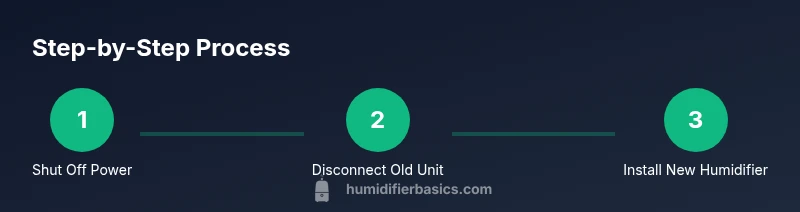
Shut off power and gas
Turn off the furnace breaker and switch, and close the gas valve if applicable. This prevents any risk of shock or gas leakage during disassembly.
Tip: Confirm power is off with a voltage tester before touching any wiring. - 2
Disconnect the existing humidifier
Carefully detach the water line and drainage, then unplug or disconnect wiring according to the unit’s diagram. Label wires for later reassembly.
Tip: Take clear photos from multiple angles to guide reinstallation. - 3
Remove old mounting hardware
Unscrew the old unit and inspect the mounting surface for damage. Replace any corroded brackets before mounting the new unit.
Tip: Keep track of screws and brackets to avoid misplacing parts. - 4
Prepare the new humidifier
Inspect the new unit for damage, verify inlet/outlet ports, and confirm the included hardware. Ready water connections and drainage routing.
Tip: Dry-fit components before final assembly to ensure clear routing. - 5
Mount the new unit
Secure the new humidifier to the furnace cabinet with the supplied hardware. Check level and stability.
Tip: Avoid overtightening screws to prevent Warping or cracks. - 6
Connect water and drainage
Attach the water supply line with Teflon tape on threads; secure the drain hose to an appropriate outlet.
Tip: Use clamps to prevent leaks and route hoses away from heat sources. - 7
Reconnect wiring and test
Hook up electrical wiring per the manufacturer’s diagram, restore power, and run a humidity test cycle.
Tip: Double-check all connections for tightness and correct polarity. - 8
Verify operation and seal
Observe the unit for leaks, test humidity performance, and confirm no abnormal sounds. Re-check seals and adjust as needed.
Tip: Leave a small margin of error in humidity target to avoid over-humidification.
FAQ
Is it safe to replace a furnace humidifier myself?
DIY replacement can be safe if you have basic plumbing and electrical skills and you follow all safety precautions. If you’re unsure, consult a licensed HVAC technician.
DIY replacement can be safe if you have basic plumbing and electrical skills and follow safety precautions. If you’re unsure, consult a licensed HVAC technician.
What tools are essential for this replacement?
You’ll need screwdrivers, wrenches, pliers, Teflon tape, a voltage tester, and a replacement furnace-humidifier with mounting hardware. Additional items may include a drill and tubing cutter depending on your setup.
You’ll need screwdrivers, wrenches, pliers, and a voltage tester, plus a replacement humidifier and mounting hardware.
How do I know which humidifier to buy for my furnace?
Check your furnace model for mounting type (bypass or powered) and water-line compatibility. Read the installation sheet for port sizes, electrical requirements, and recommended capacity for your home.
Check your furnace model for mounting type and water-line compatibility, and read the installation sheet for details.
Do I need a professional for wiring and electrical work?
If you’re not comfortable with wiring or gas connections, hire a licensed HVAC technician. Incorrect wiring can damage equipment or create safety hazards.
If you’re not comfortable with wiring or gas connections, hire a licensed HVAC technician.
How long does the replacement typically take?
Most replacements take a few hours, depending on access and the need to modify water lines or duct connections.
Most replacements take a few hours depending on access and water-line needs.
Should I replace filters or water-quality components at the same time?
Yes. Replacing water-quality filters and flushing the line during replacement helps maintain performance and prolongs the unit’s life.
Yes, replace filters and flush the line during replacement to maintain performance.
Watch Video
The Essentials
- Identify compatibility before buying a replacement.
- Shut off power, water, and gas before starting.
- Test thoroughly for leaks and proper humidity control.
- Follow manufacturer instructions to protect warranties.