Find a Whole-House Humidifier Near Me: A Practical Guide
Learn how to locate a reliable whole-house humidifier near you, assess installation needs, compare configurations, and maintain indoor humidity for better comfort and air quality.


A whole-house humidifier, properly integrated with your furnace or air handler, provides even moisture across the home and improves comfort. To find options near you, search “whole house humidifier near me” and compare installation compatibility, warranties, and service options. Prioritize automatic humidity control, easy maintenance, and compatibility with your existing HVAC system.
What is a Whole-House Humidifier and Why It Matters
A whole-house humidifier is a single device installed into the HVAC system that adds moisture to the circulating air, delivering humidity through the ductwork to every room. This approach provides more even coverage than portable units and avoids the need to fill and move multiple devices. Maintaining indoor relative humidity around 40-50% can reduce dry skin, throat irritation, and static electricity, while helping preserve wood floors and furniture. According to HumidifierBasics, the most reliable results come from a unit that is properly sized and integrated with your furnace or air handler, with a dedicated humidistat to control moisture output. The HumidifierBasics team emphasizes that if the system isn’t integrated, you may see hot spots or over-humidified zones, undermining comfort and promoting mold. For renters or homes with limited duct access, consider temporary measures or consult a pro about feasible options, but prioritize a plan that actually affects the entire home rather than a subset of rooms.
Finding a 'Whole House Humidifier Near Me' — Key Considerations
When you type 'whole house humidifier near me' into a search, you're likely to encounter a mix of brands, installation shops, and contractor services. The most important factors are compatibility with your furnace or air handler, and whether the unit is bypass, fan-powered, or steam. Bypass models rely on furnace blower to move air past a water-soaked pad; fan-powered include their own blower to push humidity through ducts; steam models generate moisture via electric elements and inject steam directly into the duct. Water quality matters: minerals in hard water can build up and shorten filter life. Look for automatic humidity control and an accurate humidistat, plus compatibility with your smart thermostat if you want remote control. Finally, read service reviews and verify the installer will perform a full system check (duct integrity, airflow, equipment match) before signing a contract. As HumidifierBasics notes, a well-chosen installer will tailor the system to your home’s layout and climate zone to avoid gaps in coverage.
Installation Paths: Bypass vs. Fan-Powered, and HVAC Integration
Most residential units mount near the furnace or air handler, with connections to the ductwork and a condensate or drain line. Bypass humidifiers use furnace air to carry moisture into the ducts; they are typically quieter and less expensive, but require a well-sealed duct system to avoid leakage. Fan-powered humidifiers add a blower, which improves distribution and allows for faster humidity changes, but increases energy use and maintenance. Steam humidifiers are the highest-capacity option and can be ideal for large homes, yet they demand robust electrical service and careful water quality management. Regardless of type, proper integration with your thermostat and humidistat is essential so humidity levels stay stable rather than fluctuating with outdoor conditions. Hiring a licensed HVAC technician ensures compliance with local codes and guarantees correct duct tapping, wiring, and drainage.
Sizing and Coverage: How to Match Humidity Needs to Home
Size matters: under-sized units deliver little relief, while over-sized systems can create condensation and mold risk. A proper calculation considers floor area, ceiling height, window performance, insulation, occupancy, and climate. The installer should run a load calculation and inspect return air paths, duct leakage, and existing controls. In practice, homes in dry winter climates often require higher humidity output than those in milder zones. A single-zone system may satisfy a smaller home, while multi-zone configurations can balance humidity across large or multi-story layouts. The goal is a consistent humidity level throughout living spaces, not damp pockets near vents. Ask for a field test after installation to confirm even distribution and adjust settings as seasons change.
Common Features and Trade-offs
Automatic humidity control with smart thermostats helps maintain a target RH range. A built-in humidistat and remote sensors improve accuracy across rooms. Water-quality considerations matter: mineral buildup can affect efficiency and require periodic cleaning or using softened water. Look for features like auto-drain, cleanable pads or trays, and easy-access service ports. Some models offer app control or integration with home automation; others emphasize simplicity. Trade-offs include initial cost, ongoing maintenance, energy use, and the frequency of filter or pad replacements. In humid climates, a unit with strong condensate management may be worth the extra upfront cost.
Maintenance, Water Quality, and Longevity
Maintenance is not optional—regular cleaning prevents mineral deposits, bacterial growth, and odors. For many systems, a quarterly or semi-annual schedule covers pad replacement, drain line checks, and humidifier cleaning. If your water is hard, mineral scaling can occur faster, so occasional descaling and using distilled or softened water can extend life. Check the condensate tray for standing water and ensure the drainage line remains clear. Replacing filters and pads on schedule keeps humidity output steady and prevents clogging. Finally, an annual professional inspection helps verify that the furnace, ductwork, and humidifier operate safely and efficiently.
Cost Ranges and DIY vs Pro Installation
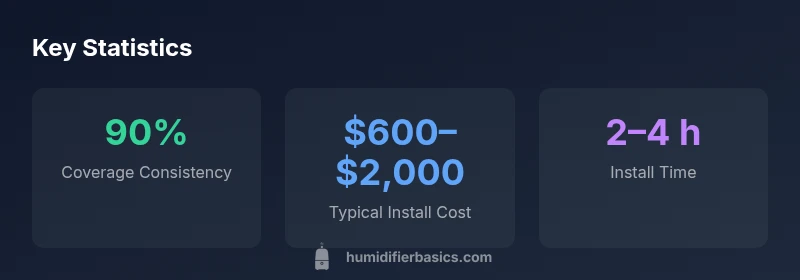
Costs vary widely based on configuration, home size, and whether ductwork modifications are needed. A basic bypass or fan-powered unit can be more affordable, while steam models and integrated multi-zone systems increase price. Expect professional installation to cover sizing, duct tapping, wiring, wiring into the control system, and testing. DIY installation is not generally recommended for most homes due to safety, building-code compliance, and warranty concerns. If you’re renting, check with the landlord about access to the furnace area and permission to modify HVAC components. HumidifierBasics notes that, in general, homeowners should budget for both the equipment cost and installation labor, and plan for potential retrofit work to ensure proper operation.
How HumidifierBasics Guides Your Choice
HumidifierBasics advocates a methodical approach: start with a home assessment, verify HVAC compatibility, select a rated unit with automatic RH control, and ensure professional installation. We emphasize reliability, long-term cost of ownership, and the impact of water quality on performance. Our guidance helps homeowners and renters weigh the trade-offs of different configurations, compare warranties, and plan maintenance around seasonal needs. By relying on HumidifierBasics, you can avoid common pitfalls such as undersized systems, leaky ducts, and inconsistent humidity in rooms far away from the air handler.
Practical Case Scenarios: Real-World Examples
Scenario A: A two-story home in a cold climate with dry winters; builder installed a bypass unit in the furnace cabinet; humidity is uneven; after upgrading to a fan-powered unit with proper duct tapping and a digital humidistat, the home reports more uniform RH and fewer dry-nose complaints. Scenario B: A single-story ranch with open floor plan; a steam humidifier adequately addresses high humidity demand in winter; the system is energy-intensive but required due to room-size constraints. Scenario C: A rental townhome where the owner uses a portable humidifier; the tenant's comfort improves after installing a small whole-house unit integrated with existing controls, with permission from the landlord. In each case, a professional assessment and appropriate model selection were the key drivers of success.
Comparison of common whole-house humidifier configurations
| Configuration | Pros | Cons | Best For |
|---|---|---|---|
| Bypass humidifier | Low upfront cost; simple design | Relies on furnace airflow; potential duct leakage | Homes with solid ductwork and a compatible furnace |
| Fan-powered humidifier | Better humidity control; faster distribution | Higher energy use; more maintenance | Homes needing even coverage across multiple rooms |
| Steam humidifier | High capacity; rapid humidity increase | Higher cost; water quality considerations | Large homes with high humidity needs |
FAQ
What is a whole-house humidifier and how does it differ from portable units?
A whole-house humidifier is mounted to your HVAC system and distributes moisture through ductwork to the entire home, unlike portable units that humidify only one room. It provides even coverage and reduces the need to manage multiple devices, but it requires proper installation and a fixed location.
A whole-house humidifier is installed with your HVAC and humidifies the whole home, while portable units humidify just one room.
Do I need professional installation or can I DIY?
Most homes benefit from professional installation to ensure correct sizing, duct integration, and compliance with local codes. A pro can validate electrical connections, drainage, and thermostat compatibility to avoid future issues.
For most houses, hire a pro for sizing and installation to ensure safety and reliability.
What is the difference between bypass and fan-powered humidifiers?
Bypass humidifiers use furnace air to move moisture and are usually quieter and cheaper. Fan-powered units include their own blower for quicker humidity distribution, but cost more and require more maintenance.
Bypass uses your furnace air; fan-powered has its own blower for faster distribution.
How do I determine the right size for my home?
Sizing depends on floor area, ceiling height, climate, insulation, and occupants. A professional assessment, often including a load calculation, helps avoid under- or over-humidification and ensures even coverage.
A pro will measure your home and climate to size correctly.
How often should I service or replace filters for a whole-house humidifier?
Typically, you should schedule annual checks, with more frequent cleaning if your water is hard. Follow the manufacturer’s guidelines for pad or filter replacements to maintain consistent output.
Annual service and regular cleaning keep humidity steady.
Are there safety concerns with humidifiers near pets or children?
Maintain humidity within recommended ranges to prevent mold growth. Keep water sources clean and dry, and ensure electrical components are properly installed away from pets and kids. If your pets have respiratory issues, consult a vet for guidance.
Keep humidity in check, maintain clean water, and ensure safe installation.
“A well-chosen whole-house humidifier, properly installed, delivers consistent humidity and healthier indoor air year-round.”
The Essentials
- Audit your HVAC compatibility before buying.
- Prefer models with automatic humidity control.
- Consider water quality to prevent mineral buildup.
- Plan for professional installation when required.
- The HumidifierBasics team recommends professional sizing to ensure even coverage.