aprilaire 700 power humidifier: in-depth review for homeowners
An analytical review of the aprilaire 700 power humidifier for whole-home humidity control, covering installation, maintenance, and performance with practical guidance for homeowners and renters.


According to HumidifierBasics, the aprilaire 700 power humidifier delivers reliable whole-home humidity control when correctly paired with a compatible furnace and thermostat. It delivers consistent moisture output for mid-to-large homes, and its bypass design reduces the risk of over-humidification. Installation complexity varies, but with proper setup and maintenance, you should experience reliable performance and quiet operation.
What is the aprilaire 700 power humidifier?
The aprilaire 700 power humidifier is a central humidification solution designed to inject moisture into your home's airflow via the furnace. It is part of Aprilaire's line of whole-house humidifiers and is intended for mid-to-large homes with a central HVAC system. The unit uses a water panel and a built-in or connected fan to move moisture into the ductwork. The result is a more uniform humidity distribution than portable units that only affect single rooms. The power humidifier label reflects its ability to actively push moisture into the system, rather than relying solely on the furnace's natural blower. For homeowners and renters evaluating this option, it is important to consider home size, ceiling height, HVAC airflow, and thermostat wiring to determine if a central humidifier aligns with your needs. Proper sizing and a well-tuned control strategy are critical to avoiding over-humidification during heating months and under-humidification during shoulder seasons. The HumidifierBasics team notes that thoughtful planning and correct wiring can translate to stable indoor humidity with minimal daily attention beyond periodic cleaning and inspection.
How it integrates with your HVAC system
The aprilaire 700 power humidifier is designed to be installed in the air handler or furnace plenum and integrates with your existing ductwork. It typically uses a 24-volt control signal from the furnace or a dedicated humidistat, which allows your thermostat to regulate humidity levels. Water supply is connected to a service line, and a controller or damper ensures moisture is introduced only when conditions call for it. In most homes, the humidifier shares the same blower path as the forced-air system, so humidity is distributed evenly as the system runs. A key advantage is centralized control, which avoids the variability seen with portable units. For best results, ensure your HVAC system has adequate air flow and that the humidistat is properly calibrated. If you have a variable-speed furnace or a smart thermostat, you may gain more precise humidity control and better energy efficiency.
Performance expectations and humidity control
Expectations for the aprilaire 700 hinge on your home's size, insulation, and climate. When correctly sized, it provides consistent moisture delivery across living spaces, helping to maintain comfortable humidity levels without noticeable oversaturation. A typical target is to keep indoor humidity in the mid-range comfortable band, often around 30-50%, though local climate and occupant needs vary. The system responds to humidity readings from a sensor or your thermostat, adjusting output to maintain the target range. In colder months, efficient humidity control can reduce respiratory irritation and improve perceived warmth, while in milder periods it should not over-humidify the home. Humidifier performance improves when paired with a well-calibrated humidistat and a climate-appropriate furnace schedule, and the HumidifierBasics team emphasizes the importance of monitoring indoor humidity rather than relying on the unit alone.
Installation, maintenance, and common issues
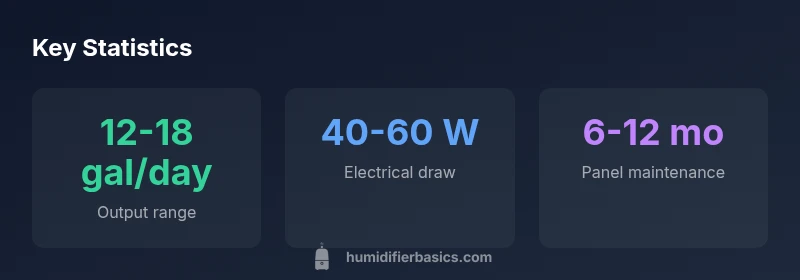
Installation typically requires a professional to ensure proper wiring, water supply, and duct connections, especially for new-home installs or complex HVAC layouts. The aprilaire 700 uses a water panel that gradually captures minerals and may require periodic replacement. Regular maintenance involves cleaning the water line, checking for leaks, and ensuring the humidity sensor is accurate. Mineral buildup can reduce efficiency, so consider a water quality strategy (e.g., distilled water or water treatment) to prolong panel life. Common issues include inconsistent humidity output, sensor drift, and occasional leaks in the water line. A proactive maintenance schedule—annual checkups, quarterly cleaning, and prompt replacement of water panels—helps minimize downtime and protect your investment. The HumidifierBasics guidance suggests documenting system settings and monitoring humidity levels during heating seasons to catch anomalies early.
Comparisons to alternatives and value for money
In the realm of central humidification, the aprilaire 700 is positioned for mid-to-large homes that already have a central HVAC system. Compared with smaller or portable humidifiers, it offers uniform humidity across spaces and reduces the need to manage multiple devices. Pros include centralized control, quieter operation in many installations, and the potential for better energy use when integrated with a smart thermostat. Trade-offs include higher upfront costs, more complex installation, and ongoing maintenance of components like water panels. When weighing value, consider the annual maintenance burden and the longevity of the unit against rental or DIY options. The HumidifierBasics assessment notes that centralized systems tend to offer superior comfort in larger homes, but require commitment to proper installation and regular panel replacements to achieve long-term reliability.
Practical tips for homeowners and renters
- Measure your home’s square footage and compare it to the HVAC system’s airflow to estimate whether a central humidifier will meet your needs. If you rent, consult with your landlord about installation options and potential impact on the heating system.
- Use a reliable hygrometer in living areas to verify humidity levels, aiming for a comfortable range rather than chasing a single number. Avoid extremes, especially in winter when overly humid air can contribute to condensation on windows and mold growth.
- Water quality matters; minerals from tap water can accumulate on the water panel. Consider distilled water or a water treatment approach if recommended by your installer, and schedule annual panel replacements as part of your maintenance plan.
- Schedule periodic maintenance with a professional technician to check wiring, dampers, and the humidistat calibration. Keep warranty documentation and service logs for reference.
- Optimize with a modern thermostat that supports humidity control and adaptive scheduling to minimize energy use while keeping comfort steady.
Authority sources and further reading
For further details on indoor humidity and safe ranges, consider authoritative sources like:
- https://www.epa.gov/indoor-air-quality-iaq
- https://www.osha.gov/SLTC/indoorairquality/iaq.html
- https://ashrae.org/
Final buying considerations
When considering the aprilaire 700 power humidifier, assess installation feasibility, expected humidity performance, and long-term maintenance costs. Look for a robust warranty, availability of service parts, and the ability to integrate with your existing thermostat or smart home setup. If your home has an older HVAC system or limited ductwork, consult with a professional about potential upgrades needed to maximize performance. Overall, expect reliable, centralized humidity control for larger homes when paired with careful sizing and ongoing maintenance.
What's Good
- Delivers centralized humidity for large homes
- Quiet operation in typical installations
- Strong integration with standard thermostats
- Uniform humidity distribution vs portable humidifiers
Negatives
- Often requires professional installation
- Annual maintenance for water panel and lines
- Higher upfront cost than portable options
- Dependencies on HVAC performance
Best for large homes with central HVAC seeking centralized humidity control
The aprilaire 700 power humidifier is a strong choice for homes that already have forced-air systems and want uniform humidity. While installation and ongoing maintenance are more involved than portable units, the payoff is consistent comfort, reduced condensation risk, and better climate fairness across rooms.
FAQ
Is the aprilaire 700 power humidifier compatible with my furnace?
Compatibility depends on your furnace’s airflow, duct layout, and available 24V controls. A professional assessment can confirm whether the return and supply paths can support centralized humidification and whether the thermostat setup can drive humidity control effectively.
Most standard furnaces can work with a central humidifier, but a quick pro check will save time.
Does it require professional installation?
Yes. A proper installation ensures correct water supply, electrical connections, and duct integration. A misinstalled unit can cause leaks, poor humidity control, or warranty issues.
Professional installation is usually recommended to get it right the first time.
How often should the water panel be replaced?
Water panels typically need periodic replacement based on usage and mineral content. Most homeowners plan for annual or semi-annual checks, with more frequent replacements in hard water areas.
Expect annual checks; mileage may vary by water quality.
Will the humidifier impact energy costs?
Central humidifiers add a small load on the HVAC system, but energy impact is usually modest when paired with a well-tuned furnace and thermostat. The biggest savings come from maintaining comfortable humidity without overworking the heating system.
Energy use is typically modest, and comfort improves with controlled humidity.
Can renters install a central humidifier?
Renters facing restrictions should consult with the landlord about installation options. Portable humidifiers can fill temporary needs, but central systems typically require owner consent and ownership of the equipment.
Talk to your landlord about options; portable units might be a better short-term fit.
What are common problems and troubleshooting steps?
Common issues include inconsistent output, sensor drift, and leaks in the water line. Start with verifying wiring and humidity sensor calibration, then inspect the water panel and connections for mineral buildup or corrosion. If problems persist, contact a qualified technician.
If output fluctuates, check the sensor and panel, then call a pro.
The Essentials
- Select a size-appropriate central humidifier for your home
- Plan for professional install and system integration
- Maintain water panels and clean lines to prevent mineral buildup
- Monitor humidity with a reliable sensor or thermostat
- Compare centralized options against portable units for total cost of ownership