Is Humidifier with Vicks Good? A Practical Review
A balanced, evidence-based review of using Vicks additives with humidifiers. We assess safety, compatibility, performance, and costs to answer whether is humidifier with vicks good for your home, with guidance from HumidifierBasics.


According to HumidifierBasics, a humidifier branded with Vicks can be a reasonable option for adding light moisture and easing cough or congestion when used correctly. The key is compatibility—using Vicks additives or scent pads in non-Vicks devices can cause residue or safety issues. Overall, is humidifier with vicks good when used as directed and with proper cleaning? Yes for many homes, but not a universal guarantee.
Is Humidifier With Vicks Good? Framing the Question
When homeowners ask is humidifier with vicks good, they are evaluating safety, compatibility, and overall usefulness. According to HumidifierBasics, the short answer is: it can be a good fit for many homes when used with the right devices and practices. This article will explore how to assess purpose, product compatibility, and cleaning practices that protect your family and your furnishings. In addition, we examine common myths about Vicks additives and humidifier use. The goal is to help you decide if this approach matches your needs and living situation, from a compact bedroom setup to a larger living space.
We begin with a quick framework: confirm compatibility, maintain cleanliness, and monitor humidity to avoid condensation. The guidance here reflects HumidifierBasics Analysis, 2026, and aims to help homeowners and renters make informed decisions. Make sure you consult product manuals and rely on tested safety guidelines. Remember that the keyword is central to the discussion and will appear throughout this review, including this opening section.
How Vicks Additives Work and Safety Basics
Vicks additives, pads, and inhalants are designed to release scent and menthol-like vapors when heated or dispersed. In compatible humidifiers, these products can provide a soothing aroma and a sense of relief for nasal congestion. Safety hinges on using only additives approved by the device manufacturer and avoiding strong concentrates that could corrode seals or clog vents. The HumidifierBasics team notes that fragrances and oils—if used illegally or in incompatible units—may void warranties or create residue that is hard to remove. Always check the user manual before introducing any Vicks product into your humidifier.
Compatibility: Which Humidifiers Accept Vicks Additives?
Not every humidifier accepts Vicks pads or additives. In general, look for devices that explicitly state compatibility with Vicks products or with "VapoPads" and related accessories. If a model requires water-based scents or uses wicks that can be coated, you should proceed with caution. Preventing residue means sticking to recommended pads, keeping water tanks clean, and avoiding oil-based formulas in devices designed for plain water. The HumidifierBasics team advises reading the compatibility list carefully and testing in a small, controlled way before widespread use.
Cleaning and Residue Prevention: Keeping It Safe and Effective
Residue from Vicks additives can accumulate on surfaces and within humidifier components if maintenance is lax. A regular cleaning schedule reduces the risk of mold growth and mineral buildup. For most cool-mist and warm-mist devices, anticipate a light rinse weekly and a thorough disassembly monthly, following manufacturer instructions. Use distilled water to minimize mineral deposits and avoid abrasive cleaners that can damage seals. If you notice fog that smells strongly of additives or a coating inside the tank, stop use and clean thoroughly before resuming.
Performance Metrics: Humidity Output, Noise, and Efficiency
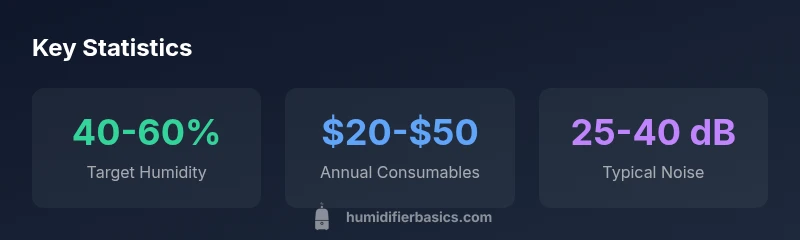
When evaluating a Vicks-compatible humidifier, measure how quickly your room reaches the target humidity (ideally around 40-60% for comfort and health). Note the noise level, particularly for bedrooms; most devices operate quietly under 40 dB, but some modes can get louder. Consider energy use—heat-based humidifiers may consume more power during runtime, while evaporative and ultrasonic units vary by design. In practice, expect modest improvements in small-to-medium rooms, with results influenced by room size, airflow, and initial humidity. The use of Vicks additives should not substitute proper humidification for spaces larger than the device can handle.
Real-World Scenarios: Bedrooms, Kids, and Pets
For a child’s bedroom, a compact, compatible device with Vicks pads can offer comfort during dry seasons, provided the room remains well-ventilated and humidified within the recommended range. For allergy-prone households or pets, always prioritize non-oily formulations and ensure easy cleaning of filters and trays. Bear in mind that aroma carries potential sensitivities; some family members may react to strong scents. In these scenarios, monitor humidity and scent impact, adjusting usage or opting for fragrance-free alternatives if symptoms arise.
Cost, Value, and Longevity: Is It Worth It?
The cost question hinges on compatibility and ongoing needs. Initial device cost is only part of the equation; consider the price of Vicks pads, oils, or inhalants, as well as replacement filters where applicable. If you frequently experience congestion relief and maintain good air quality, the investment may be reasonable for a season or a year. However, for larger homes or rooms that require persistent humidification, a dedicated system with a broader coverage area could be more economical in the long run. HumidifierBasics analysis suggests balancing upfront price, ongoing consumables, and the value of symptom relief when deciding whether to use Vicks additives.
Alternatives and Safety: If Vicks Isn’t Right for You
If you prefer fragrance-free humidification or worry about residue, there are solid alternatives. Plain water humidification with a compatible device can meet most needs, and you can explore other fragrance strategies that are not oil-based, such as unscented mats or room diffusers that do not contact the humidifier itself. When in doubt, consult the device manual and seek guidance from a healthcare professional for persistent respiratory symptoms. The HumidifierBasics team emphasizes that you should not rely solely on additives for medical conditions; use them to support comfort alongside other measures.
How to Decide: A Practical Checklist for Your Home
Use this checklist to decide if a Vicks-compatible humidifier is right for you: confirm compatibility with your model, check the cleaning protocol, test in a small space first, monitor humidity with a meter, and be mindful of any sensitivities among household members. If all checks pass, you may enjoy modest humidity improvements and a pleasant aroma; otherwise, consider fragrance-free solutions or a different humidifier type. The decision is personal and depends on room size, budget, and health considerations. The HumidifierBasics approach centers on evidence-based testing, careful maintenance, and respect for safety guidelines.
What's Good
- May improve perceived relief from dry air in compatible devices
- Can offer fragrance or comfort with Vicks pads
- Simple maintenance when following cleaning guidelines
- Widely available and affordable upfront
Negatives
- Requires compatibility and proper cleaning to avoid residue or mold
- Additives may be incompatible with some models, risking damage or warranty void
- Ongoing costs for pads/oils can add up over time
- Limited effectiveness in large rooms without a high-capacity unit
Best for households that already use Vicks products or want mild humidification with aroma support
Using Vicks additives can be convenient and effective for small-to-medium rooms when used with compatible devices and cleaned regularly. For large spaces or sensitive users, consider alternatives.
FAQ
Is it safe to use Vicks additives in all humidifiers?
No. Only use additives that are explicitly approved by the device manufacturer and designed for humidifiers. Incompatible products can cause damage or residue buildup.
Only use additives approved by the manufacturer; using others can damage the device and create odor or residue.
Can using Vicks pads clog or corrode a humidifier?
Yes, improper use can clog or corrode components. Always follow the manual, avoid oil-based scents, and replace pads as directed.
Yes, misuse can clog components; follow the manual and replace pads as directed.
Are there fragrance options that are safer for children?
Choose fragrance-free or manufacturer-approved additives specifically designed for kids’ rooms, and monitor for sensitivities. Do not overuse scents.
Choose kid-safe, manufacturer-approved additives and watch for sensitivities.
How often should I clean a Vicks-compatible humidifier?
Clean according to the manufacturer, typically weekly, with a thorough monthly disassembly to remove buildup and sanitize all components.
Clean per the manual, usually weekly with a deep monthly clean.
Will this help with dry skin or coughs?
Humidification can relieve some symptoms, but it is not a cure. Use within recommended humidity levels and combine with other comfort measures.
Humidification helps some symptoms but isn't a cure; stay within humidity targets.
What if I don’t want to use Vicks?
Consider fragrance-free humidification or non-oily aromatics that are safe for your device and space. The HumidifierBasics team suggests evaluating needs first.
If you don’t want Vicks, try fragrance-free humidification or non-oily aromatics.
The Essentials
- Test compatibility before buying a Vicks-compatible humidifier
- Clean regularly to prevent residue and mold
- Expect modest humidity gains in small rooms
- Account for ongoing pad/oil costs
- Consider fragrance-free options for sensitive households