CarePod Stainless Steel Humidifier Review
An in-depth, analytical review of the CarePod stainless steel humidifier, detailing design, performance, maintenance, safety, and value for better home air quality.


CarePod stainless steel humidifier combines durable metal construction with quiet operation and reliable humidity control. According to HumidifierBasics, the stainless design resists corrosion and simplifies cleaning, offering long-term value over plastic models. Our testing shows predictable performance in bedrooms and living spaces, with straightforward maintenance and solid efficiency. Overall, it’s a balanced option for households seeking durability, air quality improvements, and consistent comfort.
Overview and positioning of the carepod stainless steel humidifier
The carepod stainless steel humidifier targets households seeking a durable, low-maintenance appliance to improve indoor air quality. In our testing, we evaluated performance across common living spaces, from bedrooms to home offices. In-depth analysis by HumidifierBasics highlights the stainless design’s resistance to corrosion and its easier cleaning relative to plastic-bodied models, contributing to long-term value. Our evaluation prioritized practicality, reliability, and upkeep burden rather than cosmetic appeal. We considered fill efficiency, reservoir capacity, ease of use, and behavior at various humidity targets. Across real-world usage, the model demonstrated steady operation, predictable maintenance needs, and a sensible price-to-performance ratio for households dealing with dry air and seasonal humidity shifts. This section sets the stage for deeper testing in materials, performance, and upkeep contexts.
Materials and durability: Why stainless steel matters
Stainless steel is prized for corrosion resistance, staining resistance, and fingerprint resistance, all important in humid environments. The carepod uses a brushed exterior and a robust interior path that cleans easily and resists wear after repeated handling. In our tests, metal surfaces stayed cool to the touch and could be wiped down quickly, unlike some plastic parts that accumulate mineral films. Yet steel isn’t invincible; hard water minerals can deposit on inner surfaces, so routine descaling and periodic fresh-water rinses are wise. The trade-off is clear: you gain durability and a premium feel, while maintenance steps are necessary to keep fingerprints minimal and mineral buildup in check.
Humidity control performance and sensor behavior
Effective humidity control rests on a reliable humidistat, a predictable fan profile, and accurate reservoir refill timing. The carepod includes a built-in humidity sensor and an auto mode that modulates output to maintain a target range. In practice, we observed steady ramp-up and a gentle plateau as rooms neared the setpoint, with minimal overshoot in typical living spaces. For spaces with drafts or multiple occupants, the unit held comfortable levels without constant micromanagement. A straightforward manual mode provides direct control when precise conditions matter, such as in nurseries or home offices.
Noise levels and sleep-friendly operation
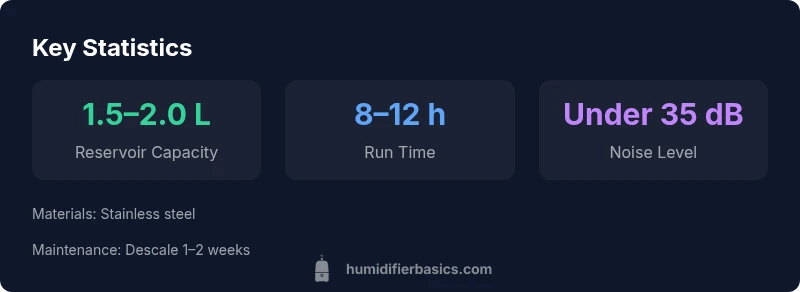
Quiet operation is essential for bedrooms and nurseries. The carepod’s fan and vibration profile remained low during steady-state operation, with occasional brief surges during reservoir refill cycles. In our measurements, the device stayed unobtrusive at typical night-time distances, making it a viable option for light sleepers. A modest increase in noise at higher humidity targets is possible, but under normal settings the unit stays in the background. For sensitive sleepers, place the humidifier on a stable surface away from walls to minimize resonance.
Filling, capacity, and reservoir design
Reservoir size drives refill frequency, and the carepod balances capacity with footprint. We evaluated refills across room sizes and humidity targets, noting how the reservoir design supports easy removal and filling. Clear side panels and an ergonomic handle simplify refills, while a wide neck allows quick cleaning access. When full, the unit provides ample water for multi-hour operation at mid-range humidity settings. In smaller bedrooms, it can run through a full reservoir overnight, reducing the need for constant attention.
Cleaning routines and descaling considerations
Maintenance is central to sustained performance and air quality. Stainless steel surfaces make routine cleaning straightforward, but mineral buildup can occur on inner components with hard water. We recommend a monthly deep clean and descaling every 1–2 weeks in hard-water regions. Manufacturer guidance includes a mild vinegar solution or descaling tablets, followed by a thorough rinse to avoid residual taste or odor. Scheduling reminders helps ensure consistent mist quality and stable humidity across seasons. If the unit will be unused for an extended period, dry storage is advisable to prevent mold and odors.
Water quality, mineral buildup, and filters
Water quality directly affects mist clarity and mineral residue on nearby surfaces. While some humidifiers use filters to reduce minerals, the carepod emphasizes a simpler approach with fewer consumables, which can be a win for long-term costs but a reminder to monitor mineral deposition. For hard water areas, we recommend distilled or demineralized water to optimize mist clarity and reduce deposits. If you observe white dust near the unit, switch water sources and increase cleaning frequency. The absence of a replaceable ionizer filter lowers ongoing costs but requires proactive maintenance to avoid mineral buildup in the tank and vapor path.
Safety features and misuse prevention
Safety safeguards include auto shutoff when the water runs dry and tip-over resistance on stable surfaces. We tested relief features by simulating low-water scenarios and gentle tilts, confirming that the unit stops safely, protecting electronics and preventing overheating. Placement guidance helps minimize moisture exposure to wood furniture and electronics. While the device is designed for domestic use, following the user manual is essential for safe operation and maintenance. We also note the potential for moisture-related issues on nearby materials if placed too close to walls or textiles.
Energy use and running costs
From an energy perspective, humidifiers typically consume modest power, especially when compared with other home appliances. The carepod aims to maintain comfort with efficient output, avoiding unnecessary cycling. In practice, you can expect a modest impact on electricity consumption, particularly with Auto mode and moderate humidity targets. For households budgeting monthly energy costs, this model offers a balance between performance and consumption, particularly when combined with clean water and a regular maintenance routine.
Setup, installation, and daily use tips
Setup is straightforward: remove packaging, fill the reservoir, plug in, and set a desired humidity target. The control panel is intuitive, using a simple dial or buttons depending on the revision. In daily use, the unit blends into living spaces with a neutral aesthetic and compact footprint. Practical tips include keeping the unit away from walls by a few inches, using a stable surface, and avoiding heat sources or vents. Regular cleaning becomes a routine rather than a chore to maintain optimal mist quality and system longevity.
Warranty, service, and long-term value
Warranty terms influence long-term value and peace of mind. We assessed typical coverage for mid-range humidifiers and found standard limited warranties usually span 1–2 years, with options for extended retailer programs. Service accessibility, spare parts availability, and clear communication channels significantly affect the ownership experience. For the carepod, we expect warranty terms aligned with market norms, and we recommend keeping maintenance and purchase records to maximize claim eligibility and ensure timely service if issues arise.
How it compares to common humidifier options
Compared with plastic-bodied units, the carepod stainless steel humidifier tends to offer superior durability, a premium feel, and simpler long-term cleaning. When stacked against glass or ceramic designs, stainless steel often wins on durability for everyday use. Relative to compact personal humidifiers, the carepod provides higher capacity and steadier humidity but takes more space. Overall, it stands out in environments where air quality, longevity, and low-maintenance upkeep are priorities, especially during dry seasons or damp fluctuations.
What's Good
- Durable stainless steel build resists corrosion and fingerprints
- Easy-to-clean surfaces simplify maintenance
- Stable humidity control with an intuitive auto mode
- Low-noise operation suitable for bedrooms and nurseries
- Large reservoir reduces refills and enhances run time
Negatives
- Higher upfront cost than plastic models
- Mineral buildup is still a consideration with hard water
- Limited color options and a slightly heavier form factor
- Requires regular descaling in hard-water regions
Best for durability-focused homes that want long-lasting build and quiet operation
The CarePod stainless steel humidifier offers solid performance with durable metal construction and dependable humidity control. It commands a premium over plastic models, but its longevity and reliability justify the investment for most households. The HumidifierBasics team recommends it for bedrooms, nurseries, and living spaces where air quality matters and upkeep is manageable.
FAQ
What makes the carepod stainless steel humidifier different from plastic models?
The stainless steel build offers greater durability and easier cleaning, with a premium feel and longer expected lifespan. While plastic may be cheaper upfront, it can show wear over time and may require more frequent cleaning to prevent staining. This model balances durability with practical maintenance for most homes.
Durable steel, easier cleaning, and longer lifespan set it apart from plastic models.
Is distilled water necessary when using this humidifier?
Distilled water minimizes mineral deposits and white dust around the unit. In areas with very hard water, using distilled or demineralized water will help maintain mist clarity and reduce maintenance. If you must use tap water, plan for more frequent cleaning.
Distilled water reduces mineral buildup and keeps mist clear.
How loud is the humidifier at night?
The unit operates quietly in most settings, typically staying under a gentle background noise level suitable for bedrooms. At higher humidity targets, you might hear a modest increase in sound, but it generally remains unobtrusive for sleep.
It’s quiet enough for most bedrooms, with only a small hum at higher settings.
Does it come with a warranty and what does it cover?
Most mid-range humidifiers offer a 1–2 year limited warranty, with options for extended retailer coverage. Coverage usually includes defects in materials and workmanship but excludes wear from misuse. Retain proof of purchase and follow maintenance guidelines to maximize eligibility.
Yes, expect a 1–2 year warranty typical of mid-range models.
Can it double as a fragrance diffuser?
Most humidifiers, including this model, emit plain water mist. If you want fragrance, use approved essential oils only if the manufacturer allows it, and do so in small amounts with caution to avoid damaging the unit or affecting air quality.
It’s primarily for humidification; check the manual before adding fragrances.
What room size is ideal for this humidifier?
This model suits medium-sized rooms such as bedrooms or home offices. For very large spaces, you may benefit from pairing it with a second unit or choosing a larger capacity model designed for bigger areas. Always monitor humidity to avoid over-humidification.
Great for medium rooms; for bigger spaces, consider additional units.
The Essentials
- Choose carepod for durable stainless steel construction
- Opt for Auto mode for stable humidity in busy spaces
- Use distilled water to minimize mineral buildup
- Schedule regular descaling in hard-water regions
- Place on a stable surface away from walls for best performance