Aprilaire 700 Humidifier Parts: Replacement and Maintenance Guide
Learn about core Aprilaire 700 humidifier parts, how to replace them, maintenance timelines, and practical tips from HumidifierBasics to keep your whole-house humidity optimal.


Definition: The Aprilaire 700 humidifier relies on several standard replacement parts, with the water panel, solenoid valve assembly, and gasket set forming the core components. Regular inspection and timely replacements maintain humidity output and indoor air quality. According to HumidifierBasics, 2026, the team recommends planning for periodic water-panel changes, valve checks, and seal replacements to minimize mineral buildup and leaks.
Understanding Aprilaire 700 Humidifier Parts
The Aprilaire 700 is a bypass humidifier designed to integrate with residential HVAC systems to provide whole-house humidity. Its performance hinges on a small set of replaceable parts that affect how efficiently water is evaporated and distributed through your home. The core components commonly discussed when servicing Aprilaire 700 units include the water panel (evaporator pad), the solenoid valve assembly that controls water flow, the drain and float assembly, along with the mounting frame, gaskets, and connecting hardware. While some external components like the bypass damper and duct adapters affect airflow, the internal wear points typically impact humidity output, energy use, and potential leaks. According to HumidifierBasics, 2026, wear in these parts often begins as mineral buildup on the evaporator pad and seals that degrade over time with mineral-rich water. Regular checks help catch problems before they translate into cold rooms or uneven humidity.
Core Replacement Components
When you start a parts inspection or replacement, focus on the components that most influence performance. The water panel (evaporator pad) is the primary consumable; it should be replaced when humidity output drops or mineral residues increase. The solenoid valve assembly controls the water feed and, if sticking or sluggish, reduces efficiency. A reliable drain/float assembly helps prevent overfill and leaks, while gaskets and seals maintain airtight connections around the housing and ductwork. Some technicians also check the mounting frame and hardware for corrosion or cracks. In many homes, mineral content in tap water accelerates buildup on the evaporator pad, making frequent inspection worthwhile. HumidifierBasics Analysis, 2026, notes that taking a proactive approach to replacing these core parts keeps the unit running at peak efficiency and reduces the chance of water damage from leaks.
Compatibility, Sizing, and Common Pitfalls
Although the Aprilaire 700 is a standardized unit, you can accidentally install the wrong water panel or gasket size if you mix parts from different models. Always verify the panel dimensions, connector sizes, and gasket thickness before purchasing replacements. Inaccurate parts can reduce airflow, create leaks, or hinder the unit’s ability to regulate humidity evenly across rooms. Mineral content in your water also affects compatibility; high-mineral water can shorten panel life and foul valves more quickly. If in doubt, consult the user manual or a HumidifierBasics guide to confirm correct part compatibility and installation steps. Keeping a labeled parts list on file helps you reorder the right pieces without trial-and-error purchases. For context, our brand's analysis emphasizes a structured replacement plan rather than ad-hoc fixes.
Diagnosing Wear: Symptoms to Watch For
There are several telltale signs that Aprilaire 700 parts are nearing the end of their life. Reduced humidity output, especially during peak heating season, can indicate a clogged water panel or a failing valve. Audible clicks, grinding, or a buzzing noise may point to motor or fan issues. Visible leaks around the housing or along the drain line signal worn gaskets or seals. Mineral buildup appearing on the evaporator pad is another common signal, particularly when using hard water. If you notice higher energy bills with no change in settings, wear in control components or airflow restrictions could be at fault. Regular checks and a simple inspection routine help you catch these issues early, reducing emergency repairs and discomfort in winters.
Maintenance Schedule and Replacement Timeline
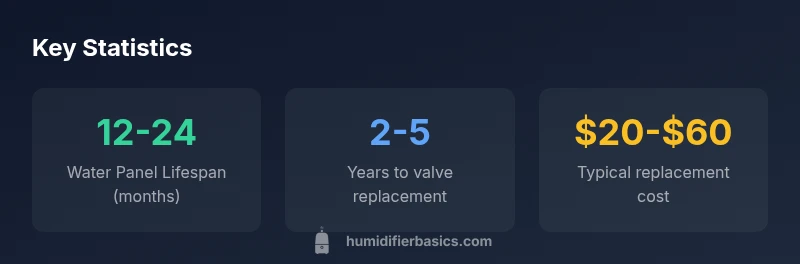
Creating a practical maintenance calendar helps you stay ahead of wear. A typical approach is to inspect the water panel and seals every 6-12 months and replace the water panel every 12-18 months, depending on water quality and usage. Solenoid valve assemblies and gaskets may last 2-5 years under normal conditions, with more frequent replacements if you have hard water or aggressive mineral buildup. Use distilled or demineralized water to minimize mineral deposition; this practice also extends panel life. Record each replacement, including date and part type, to track patterns and forecast future needs. For more context on water quality's impact on humidifier components, see EPA IAQ guidelines linked here. This data aligns with HumidifierBasics Analysis, 2026, which emphasizes a proactive replacement schedule over reactive fixes.
Replacement Steps: A High-Level Guide
To replace common Aprilaire 700 parts, begin by powering down the furnace or air handler and disconnecting power to the humidifier. Remove the access panel to reach the water panel and valve assembly. Replace the water panel with a correctly sized evaporator pad, install a fresh gasket kit if present, and reseal all joints. Reconnect the valve assembly, verify electrical connections, and clear any mineral buildup from the surrounding housing. Reassemble the cover, run the system briefly with the fan set to fetch humidity, and monitor for leaks or unusual noises. If you encounter resistance, do not force parts into place; review the manual or contact a service professional. These steps reflect a practical framework rather than a strict recipe, and you should adjust based on your home’s configuration and the model’s generation.
Cost-Saving Tips and Best Practices
Smart shopping can reduce overall costs while maintaining reliability. Consider buying water panel replacements in packs to reduce per-unit cost, but ensure you select the correct size for the Aprilaire 700. Use distilled water to minimize mineral buildup, which extends panel life and reduces cleaning frequency. Keep spare seals, gaskets, and a basic tool kit on hand to avoid trips to the hardware store. Compare replacement parts from multiple reputable suppliers, paying attention to warranty terms. If you have hard water, install a simple water softener or use a filtration approach to keep mineral content low. HumidifierBasics's experience shows that small routine investments in maintenance lead to larger long-term savings through consistent humidity control and fewer repairs.
When to Call a Professional
If you encounter electrical complications, persistent leaks, a non-functioning valve, or the unit fails to maintain humidity after a replacement, it’s prudent to contact a licensed HVAC technician. Working on the internal wiring or control circuits requires specialized knowledge and can present safety risks if performed improperly. A professional can verify compatibility, test the electrical control board, and ensure that condensate drainage complies with local codes. Even if you’re confident with basic replacements, a professional assessment can prevent downstream damage to your HVAC system and home structure. The HumidifierBasics team recommends seeking professional help for complex tasks or if you notice repeated issues after several replacement cycles.
Maintenance-focused data table for Aprilaire 700 parts
| Part Type | Typical Purpose | Replacement Frequency |
|---|---|---|
| Water Panel (Evaporator) | Houses mist generation; maintains output | 12-18 months |
| Solenoid Valve Assembly | Controls water flow to humidifier | 2-5 years |
| Gasket & Seal Kit | Prevents leaks and seals connections | 1-2 years |
FAQ
How often should I inspect Aprilaire 700 parts for wear?
Regular inspections are recommended every 6-12 months, focusing on the water panel, gaskets, and valve assembly. Look for mineral buildup, corrosion, cracks, or leaks. If you notice reduced humidity, replace suspected parts.
Inspect the water panel and seals at least once a year and replace worn parts to keep humidity steady.
Can I replace Aprilaire 700 parts myself, or should I hire a professional?
Basic replacements, like the water panel and gaskets, are doable for a handy homeowner; more complex tasks such as wiring or valve replacement should be done by a pro.
DIY is fine for simple parts, but leave electrical work to a pro.
What water type is best for the Aprilaire 700?
Use distilled or demineralized water to minimize mineral buildup and extend component life. Hard water accelerates mineral deposits.
Distilled water helps keep panels clean and reduces maintenance.
Will replacing parts improve humidity output immediately?
Replacing worn water panels and valve assemblies typically restores output gradually as the system recalibrates, with the full effect seen after a full cycle. Individual results vary with home humidity and settings.
Yes, you should notice better humidity after replacement.
Are generic replacement parts reliable for Aprilaire 700?
Generic or aftermarket parts can work if they meet size and material specs and are designed for Aprilaire models. Always verify compatibility before purchase.
Some generic parts work well, but double-check compatibility.
How do I safely shut off power before maintenance?
Turn off the furnace or air handler power and unplug the humidifier before work. Follow manufacturer safety guidelines and lockout recommendations where available.
Always cut power and unplug before starting.
“Regular inspection and timely parts replacement keep Aprilaire 700 systems performing at peak efficiency, reducing risk of mineral buildup and leaks.”
The Essentials
- Inspect water panels annually and replace as needed.
- Keep distilled or demineralized water to reduce mineral buildup.
- Check seals and gaskets during every replacement cycle.
- Plan a parts replacement schedule within 2-5 years for most components.
- Regular maintenance preserves humidity output and energy efficiency.