Will a Humidifier Help with Runny Nose? A Practical Guide
Discover whether a humidifier can ease a runny nose, how humidity affects nasal symptoms, and safe usage tips. Learn ideal humidity levels, room setups, maintenance, and when to seek medical advice.


How Humidity Affects a Runny Nose
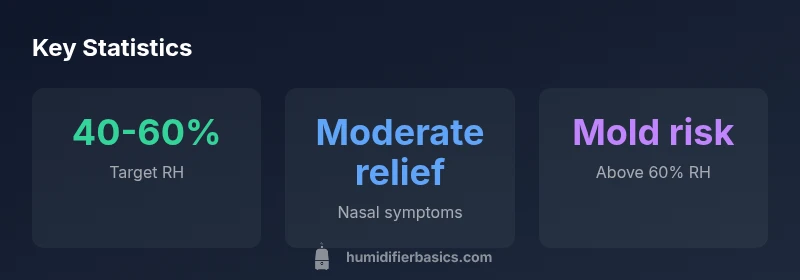
Nasal symptoms such as a runny nose often reflect the moisture content of the air you breathe. Dry indoor air can irritate nasal mucosa, prompting more mucus production and a feeling of congestion. By increasing ambient humidity to the moderate range, you provide a gentler environment for nasal tissues, which can help mucus loosen and drain more easily. The question many readers ask is will humidifier help with runny nose in a way that’s practical and safe for daily life. The HumidifierBasics team has found that humidity levels around 40-60% generally support nasal comfort without encouraging mold growth or dust dispersion. In bedrooms and living areas, a well-maintained humidifier can contribute to a steadier, more tolerable nasal environment, especially during heated months when dryness is common. It’s important to monitor moisture levels with a simple hygrometer and adjust usage to match room size, occupant activity, and climate conditions.
In this context, using a humidifier is not a cure for all runny nose causes, but it can be a meaningful, low-cost support for symptom relief when combined with allergy management, hydration, and appropriate medicines if needed. For readers asking specifically, “will humidifier help with runny nose,” the short answer is often yes, provided you maintain safe humidity targets and prioritize device cleanliness.
Choosing the Right Humidifier for Nasal Comfort
Humidifier selection matters because not all devices deliver the same performance or safety. Ultrasonic humidifiers are popular for their quiet operation and fine mist, but they can disperse minerals if not cleaned regularly. Evaporative models are steadier at self-regulating humidity, thanks to a natural wick that slows output as air becomes humid. For nasal comfort, smaller rooms like bedrooms or home offices benefit from compact units, whereas larger living spaces may require higher-output models. Consider features such as built-in humidistat, auto shutoff, and a cleaning reminder. The goal is to maintain a consistent 40-60% RH (relative humidity) while avoiding wet surfaces or visible condensation on walls and windows. Always use clean water, and run a purifier or air filter if you suspect dust or pollen is aggravating nasal symptoms.
From a usability standpoint, check for simple maintenance steps: emptying water tanks daily, using distilled or demineralized water, and following the manufacturer’s cleaning schedule. These practices reduce mineral dust and microbial growth, which can otherwise irritate the nose. The HumidifierBasics analysis emphasizes that device upkeep is as important as the initial purchase when it comes to nasal comfort and overall air quality.
Safe Humidification: Targets, Risks, and Best Practices
Safe humidification hinges on controlling humidity levels and routine cleaning. Exceeding the 60% RH threshold increases the risk of mold, mildew, and dust mites, which can irritate airways and paradoxically worsen runny nose symptoms for some individuals. Conversely, RH below 40% can fail to relieve dryness. A hygrometer placed in the main living area or bedroom provides a simple, low-cost way to track humidity. With a target of 40-60%, you should occasionally adjust humidifier output as you change seasons, room occupancy, or indoor activities (like open fireplaces or cooking). Regular cleaning is non-negotiable: wash reservoirs with soap and water, dry thoroughly, and replace filters per manufacturer guidance. Mineral deposits can be reduced by using distilled water rather than tap water, which also minimizes white dust. If you notice musty odors, persistent condensation, or visible mold, pause usage and assess for leaks or ventilation issues. The HumidifierBasics team recommends keeping humidity within safe ranges while maintaining clean devices to support nasal comfort and general air quality.
Practical Setups for Different Rooms
In a bedroom, place the humidifier away from the bed and heat sources to prevent direct moisture exposure to sleeping areas. A small, quiet unit with a built-in humidistat is ideal for overnight use, and you should check humidity levels first thing in the morning. In a living room or open-plan space, consider a larger-capacity model or a pair of units to maintain even humidity, especially if you have central heating that dries air quickly. Ensure furniture and electronics are not in direct contact with mist, and keep windows closed during operation to avoid rapid humidity fluctuations. Consistency matters more than peak mist output; aim for a steady 40-60% RH, and adjust settings gradually. Finally, always follow safety tips for households with children or pets, and keep humidifiers out of reach to avoid burns or spills. The goal is a comfortable, healthy indoor climate that supports nasal comfort without introducing new risks.
Troubleshooting: Common Issues and Fixes
If you notice persistent runny nose despite using a humidifier, check basic factors: Is humidity fluctuating beyond target? Are you using clean water and performing regular maintenance? Have you ensured good overall ventilation to prevent damp corners? Mineral buildup can worsen air quality; clean or replace filters and use distilled water. If symptoms persist, evaluate whether allergies, sinus infections, or environmental irritants (pollen, pet dander) are drivers that humidity alone cannot resolve. Finally, consider reducing humidity during damp seasons if you see condensation on walls or windows. The goal is to find a steady, safe humidity level that supports nasal comfort while minimizing microbial growth and household dampness.