Humidifier for Dorm Room: A Practical Guide
Learn how to pick, set up, and maintain a dorm-room humidifier to improve air quality, comfort, and health with practical setup, safety tips, and daily care.


By the end, you will know how to choose, set up, and maintain a dorm-room humidifier to improve air comfort. Focus on a compact unit, correct water type, ideal humidity range, and a simple cleaning routine. This practical guide covers setup, daily use, safety considerations, and routine maintenance for dorm living.
Understanding why a dorm room humidifier matters
Dry air in dorm rooms can irritate skin, sinuses, and lungs, especially during heating season. A compact humidifier helps add moisture to the air without flooding a small space. For students sharing a room or living in dense housing, managing humidity can reduce dry throat, irritated eyes, and static electricity, while supporting restful sleep. According to HumidifierBasics, maintaining balanced indoor moisture is a practical way to improve comfort without overhauling your dorm setup. By treating air quality as a daily habit, you can minimize dust and improve overall well-being. This guide focuses on a dorm-friendly humidifier for dorm room use: compact, energy-efficient models that are easy to operate, clean, and move between rooms if needed. The HumidifierBasics team found that the best dorm humidifiers are simple, quiet, and designed for small spaces. Throughout this article you’ll learn how to choose, set up, and maintain a unit that fits a typical dorm room while supporting a healthy living environment.
Choosing the right humidifier for a dorm room
When selecting a humidifier for a dorm room, prioritize compact size, low noise, and simple controls. Ultrasonic models are popular for their quiet operation, while evaporative units tend to be easier to clean and maintain. Look for a unit with an automatic shut-off feature, a small footprint, and a straightforward fill method (top-fill is especially dorm-friendly). Consider whether you want a model with a built-in hygrometer or compatible with an external one. Energy efficiency matters in shared living spaces, so opt for a device with a conservative power draw and a short heat-up time. Finally, check if the model includes a replaceable filter or if it relies on mineral-free water to minimize upkeep. These factors help you balance comfort, maintenance, and budget in a dorm setting.
Sizing and placement in a small dorm space
Size and placement are critical in a limited dorm footprint. Choose a unit that fits on a compact desk, nightstand, or dresser without crowding pathways. Place the humidifier on a stable, water-resistant surface away from walls, fabrics, and electronics to reduce condensation on surfaces and possible mold growth. Keep it within easy reach for quick refill and cleaning. Elevation matters too: a slightly raised position can help distribute mist more evenly, but avoid pointing mist directly at books, notebooks, or electronics. In shared dorms, agree on a shared routine for when the unit is running to minimize noise and disruption.
Safe water and maintenance habits
Using distilled or demineralized water minimizes mineral deposits that can clog components and create white dust. If distilled water isn’t available, use the fullest possible purity and change water daily to reduce microbial growth. Regular cleaning is essential: rinse the tank, wipe the base, and scrub any tubing or DEF components per your model’s instructions. The HumidifierBasics analysis shows that mineral buildup can affect performance and air quality over time, so a simple weekly cleaning schedule keeps the unit reliable. Always unplug before handling parts, and never run a humidifier empty or with dirty water.
Daily use and moisture management
Operate the humidifier during the day or evening when you’re present to monitor effects and prevent over-humidification. Use a hygrometer or a smart sensor to gauge humidity levels indirectly and adjust settings accordingly. Start on a low mist setting and gradually increase if the air still feels dry, but stop if you notice fogging on windows or damp spots on walls. Avoid running the device overnight in shared spaces if it could disturb roommates. Maintain consistent refill and cleaning routines so the unit remains effective and safe.
Cleaning and long-term care
Create a routine that includes weekly full cleanings and monthly deeper maintenance. Empty and rinse the tank daily when in use, and perform a thorough clean according to the manufacturer’s guidance. Replace filters as required and keep external surfaces dry to prevent corrosion or mold growth. Storing the unit properly during vacations helps extend its life and keeps it ready for the next semester. Following consistent care makes humidity control less of a chore and more of a habit.
Troubleshooting common issues
If you notice weak mist or a strange odor, inspect for clogs, mineral buildup, or dirty filters. Clean or replace affected parts, and ensure water quality is adequate for your model. If the unit shuts off unexpectedly, verify that the water reservoir is seated correctly and that the power supply is stable. For persistent fogging or condensation on windows, reduce the humidity setting or relocate the unit slightly away from walls. The goal is steady, comfortable moisture, not damp conditions that promote mold or mildew.
Tools & Materials
- Compact dorm room humidifier(Portable, ideally top-fill; fits on a desk or surface near the bed)
- Distilled water(Reduces mineral buildup and white dust)
- Hygrometer or humidity gauge(Helps monitor moisture levels and adjust settings)
- Microfiber cloth(For wiping surfaces and drying the exterior)
- Soft brush or small sponge(Used to clean nooks and remove mineral deposits)
- User manual(Model-specific instructions for safe operation)
Steps
Estimated time: 25-40 minutes
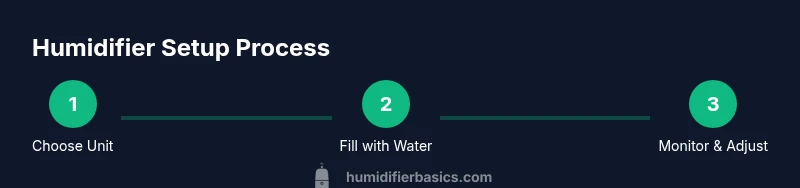
- 1
Select and unbox the humidifier
Unbox the unit and confirm all parts are present. Read the manual to understand fill methods, safety features, and cleaning recommendations. This initial check prevents surprises during setup.
Tip: Keep the box handy in case you need to return or exchange the model. - 2
Fill with distilled water
Pour distilled water into the reservoir according to your model’s guidelines. Avoid overfilling and never use highly mineralized tap water if possible to minimize residue.
Tip: Use the provided measuring marks and avoid oil-based additives. - 3
Place the unit on a stable surface
Set the humidifier on a flat, water-resistant surface away from walls, fabrics, and electronics. Elevate slightly if possible to improve mist distribution without causing condensation.
Tip: Keep it within easy reach for refilling and cleaning. - 4
Power up and adjust settings
Plug into a dedicated outlet and start on a low setting. If your model has an automatic shut-off, enable it to prevent over-humidification.
Tip: Avoid placing directly in front of heat sources or vents. - 5
Monitor humidity and refine
Use a hygrometer to observe humidity. Increase or decrease mist until you reach a comfortable balance that avoids dampness.
Tip: If you notice condensation on walls or windows, lower the setting. - 6
Schedule regular cleaning
Rinse the reservoir daily when in use and perform a deeper clean weekly. Dry all parts before reassembling.
Tip: Never store dirty water inside the unit for extended periods. - 7
Maintenance and storage
Replace filters as recommended and store the humidifier dry between terms. Keep the manual accessible for reference.
Tip: Label the next cleaning date on a calendar reminder.
FAQ
Can I use a humidifier in a dorm room?
Yes, many dorms allow compact humidifiers but always check your housing policies and noise restrictions. Choose a small, quiet model and follow dorm guidelines for safe placement and electrical use.
Yes, but check your dorm policies and choose a compact, quiet model to stay within guidelines.
What water should I use?
Distilled or purified water is best to minimize mineral buildup. If you must use tap water, clean the unit more frequently and monitor for mineral deposits.
Use distilled water if possible; if not, clean often and watch for mineral dust.
What humidity level should I aim for?
Aim for a comfortable indoor moisture level by using a hygrometer and adjusting the humidifier accordingly. Avoid over-humidification that can lead to condensation and mold.
Keep moisture at a comfortable level with a hygrometer, avoiding excess humidity.
How often should I clean?
Clean the humidifier weekly and after any extended period of non-use. Always empty, rinse, and dry parts before storage or reuse.
Clean weekly and after long breaks in use to prevent buildup.
Can a dorm humidifier help with dry skin or throat?
Humidified air can ease dryness in skin and throat, but it is not a cure. Use as part of a broader approach to comfort, including hydration and ventilation.
It can help with dryness, but it’s not a substitute for good overall humidity and hydration.
Watch Video
The Essentials
- Choose a compact, quiet humidifier for dorm rooms
- Use distilled water to minimize mineral deposits
- Monitor humidity with a hygrometer for comfort
- Keep up with regular cleaning and maintenance