Humidifier Use for Asthma at Home: Safe, Practical Guide
Discover practical, evidence-based guidance for using humidifiers safely with asthma. Learn humidity targets, water quality, cleaning routines, and setup tips to minimize triggers and improve air quality at home.


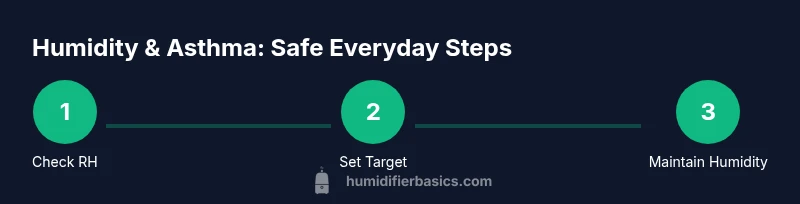
Using a humidifier safely for asthma means controlling moisture and avoiding irritants. Aim for indoor humidity around 30-50%, use distilled water, and clean the unit regularly to prevent mold and mineral dust. Position the device away from beds and walls, and monitor humidity with a reliable hygrometer. HumidifierBasics recommends these practices to reduce triggers and support easier breathing.
Understanding the link between humidifiers and asthma
Asthma is a chronic condition that is sensitive to indoor air quality. Humidity levels can influence mucus thickness, airway reactivity, and infection risk. A properly used humidifier can relieve nasal dryness and improve comfort, particularly in winter. The HumidifierBasics team notes that the goal is a steady indoor RH (relative humidity) in a comfortable range and rigorous water and device hygiene, supported by easy-to-use features like a built-in humidistat. Selecting a device with simple cleaning routines helps households avoid common pitfalls. For people with asthma, moisture should be kept moderate and predictable to reduce irritants such as dust, mold spores, and pet dander.
In practice, many households see benefits when humidity remains in a safe range and the device is cleaned regularly. Understanding the variables—room size, ventilation, water quality, and the type of humidifier—helps you avoid common pitfalls and reduces the risk of triggering bronchial symptoms.
According to HumidifierBasics, you’ll get the best outcomes when you pair careful device choice with standard hygiene habits and a simple monitoring plan. This article provides practical guidance you can implement today to support asthma management at home.
Humidity targets and air quality: what matters for asthma
Humidity directly affects airway hydration and the behavior of airborne particles. For most homes, maintaining humidity in a moderate range helps keep nasal passages comfortable and may reduce coughing. Conversely, excessive humidity can encourage mold growth, dust mites, and mildew, which are known asthma triggers. A simple, effective approach is to keep RH within a safe band and to monitor fluctuations with a consumer hygrometer. Regular airflow and ventilation are essential to prevent stale air from concentrating irritants.
Recommended targets typically fall within a moderate humidity band that balances moisture without promoting excess condensation. Use a humidistat-equipped humidifier and verify RH readings in different rooms, since humidity can vary by space. Humidity is only one part of air quality; combine humidity control with dust control, regular cleaning, and source reduction (e.g., pet dander, mold) for best results.
HumidifierBasics analysis shows that consistent humidity, clean water, and thoughtful placement correlate with fewer respiratory irritants. When used properly, a humidifier can be a helpful ally for people with asthma, especially during dry seasons or in climate zones where winter air is very dry.
Types of humidifiers and asthma safety considerations
There are several humidifier types, each with pros and cons for asthma care. Cool-mist models (ultrasonic or impeller) generally pose less burn risk and are easier to inspect, but mineral dust can be dispersed if water isn’t mineral-free. Warm-mist (vaporizing) units boil water first, reducing some microbial concerns, but they can be louder, slower to respond, and pose burn risks around children or pets. For asthma, choose devices with sealed tanks, wide-mouthed cleaning access, and a built-in humidistat.
Key safety considerations include avoiding humidifiers in bedrooms where condensation could collect on bedding, ensuring the unit is on a stable, dry surface away from walls, and selecting models with antimicrobial features or easy cleaning workflows. Regardless of type, routine cleaning and using clean water are essential to minimize irritants. Humidifier maintenance and error-free operation help you avoid creating new asthma triggers such as mold and mineral deposits.
How to choose the right settings for asthma
Target humidity matters: keep indoor RH in a moderate range to support airway comfort while discouraging mold growth. Start by measuring baseline humidity in the largest frequently used room; adjust the humidifier’s output and use a built-in humidistat to stabilize readings around 40% for many homes. If you notice damp windows, condensation on walls, or a musty smell, lower output or increase ventilation.
When sleeping, many people prefer a lower setting to minimize overnight moisture accumulation. If a room hosts someone with multiple allergies, a dedicated, properly sized humidifier with controlled output is often better than running multiple devices. Remember: humidity is just one piece of the puzzle—air quality, cleaning routines, and humidity monitoring all contribute to a safer environment for asthma management.
Water quality and cleaning to prevent irritants
Mineral deposits from tap water can become airborne as fine dust that irritates airways. Use distilled or demineralized water to minimize this issue. Regularly clean the tank and base with a mild soap solution; for stubborn residue, a vinegar soak (1:1 vinegar to water) can help dissolve mineral buildup. Rinse the parts thoroughly before reuse to avoid leaving behind cleaning residue that could irritate airways.
Always dry components after cleaning and store the unit away from direct sunlight when not in use. Replace any filters according to the manufacturer’s schedule and inspect seals and gaskets for wear. Avoid using chemical disinfectants without proper rinsing, as residual chemicals can irritate sensitive lungs.
Cleaning routines and maintenance schedule
Develop a simple maintenance calendar: daily emptying and rinsing of the tank, 1–2 weekly full cleanings (tank, base, and any removable parts), and monthly filter checks or replacements if applicable. Keep cleaning supplies separate from food and bedtime items to minimize cross-contamination. Document your cleaning times so routine becomes automatic and you don’t miss tasks.
In households with asthma, consistency is key. A well-kept system reduces mineral dust and microbial growth, lowers exposure to irritants, and supports steady humidity rather than sporadic humidity spikes.
Practical setup: renters vs homeowners
Renters often deal with shared spaces and less control over room dimensions. Place the humidifier on a stable surface at least 3 feet from walls, doors, and textiles to prevent condensation on fabrics. If possible, use a humidifier with a built-in humidistat and a small footprint to fit into compact living areas. Homeowners can opt for larger-room models with better distribution and longer hose reach for spaces like living rooms or bedrooms. In either case, ensure you have adequate ventilation and avoid overuse in rooms with limited airflow.
Troubleshooting: common signs your humidity plan needs adjustment
If you notice persistent damp windows, condensation on furniture, or musty odors, humidity is likely too high. Conversely, dry coughing, throat irritation, or nasal dryness can indicate too-low humidity. In both cases, adjust settings, verify the hygrometer readings, and reassess room ventilation. If symptoms persist despite proper humidity management, consult a healthcare professional.
Worrisome signs include visible mold growth or persistent allergic symptoms despite cleaning. In such cases, pause humidifier use and seek medical or environmental assessment assistance.
Authoritative sources and further reading
For comprehensive guidance on asthma and environmental health, consult:
- https://www.cdc.gov/asthma/index.html
- https://www.niehs.nih.gov/health/topics/conditions/asthma/index.cfm
- https://www.lung.org/what-is-asthma
Tools & Materials
- Humidifier(Choose a model with a built-in humidistat and easy-to-clean components)
- Distilled water(Use only distilled/demineralized water to minimize mineral dust)
- Hygrometer(Measure room humidity; place in frequently used spaces)
- Cleaning supplies (mild soap, white vinegar)(Regular cleaning to prevent mold/mineral buildup)
- Replacement filters (if applicable)(Check manufacturer recommendations and replace as directed)
- Microfiber cloths(Dry surfaces after cleaning and damp-wipe components)
- Gloves(Protect hands during cleaning)
- Air purifier (optional)(Helps reduce airborne irritants in the same space)
Steps
Estimated time: 75-90 minutes
- 1
Measure current humidity and set a target range
Place a hygrometer in the largest occupied room to establish a baseline. Set a target RH around 30-50% for most homes and adjust the humidifier to stabilize readings within that range.
Tip: Use a humidistat-enabled device and check readings at least twice daily during seasonal changes. - 2
Choose a humidifier type and plan placement
Select a cool-mist or warm-mist model based on safety, noise, and room size. Place the unit on a stable surface at least 3 feet from bedding, walls, and textiles to prevent condensation.
Tip: Avoid placing directly on carpet; elevate at least 6 inches if possible to reduce moisture transfer to floors. - 3
Fill with distilled water and power on
Fill the tank with distilled water and power up. Ensure the unit is on a flat, water-resistant surface and away from the edge to prevent spills.
Tip: never use tap water; mineral dust can be emitted with basic water. - 4
Monitor humidity and adjust output
Run the humidifier for 15-30 minutes, then recheck RH with your hygrometer. Increase or decrease output to maintain target range.
Tip: If RH fluctuates widely, improve room ventilation or relocate the unit. - 5
Establish a cleaning schedule
Empty and rinse the tank daily if used heavily; perform a full weekly clean with mild soap or vinegar solution.
Tip: Rinse well to avoid soap or vinegar residue that could irritate airways. - 6
Schedule maintenance and filter checks
Replace filters monthly or per manufacturer guidance; perform a quarterly inspection of seals and gaskets.
Tip: Keep a maintenance log to prevent missed tasks.
FAQ
Should I run a humidifier all night if I have asthma?
All-night use can be appropriate if humidity stays within the safe range and there is no condensation. Use a humidistat and monitor readings regularly to avoid over-humidification.
Running it overnight is possible if the humidity stays steady and you monitor the space.
What humidity level is best for asthma?
Most homes benefit from maintaining RH in the 30-50% range to support airway comfort and reduce mold risk. Adjust based on room conditions and season.
Aim for about 30 to 50 percent humidity, then tweak as needed.
Is a warm-mist or cool-mist humidifier better for asthma?
Cool-mist units are generally safer for households with children and pets and reduce burn risk, while warm-mist units can have fewer mineral deposits but higher energy use. Choose based on safety, cleaning ease, and noise level.
Cool-mist is usually safer for homes with kids or pets, but pick what you can clean easily.
Can humidifiers spread mold if not cleaned?
Yes. Poor cleaning can spread mold and bacteria. Regular, thorough cleaning and using distilled water minimizes this risk.
Yes, mold can spread if you don’t clean it properly; clean weekly.
What water should I use in a humidifier?
Use distilled or demineralized water to minimize mineral deposits and air irritants. Tap water increases mineral buildup and dust.
Distilled water helps keep mineral dust down and reduces irritants.
How often should I replace humidifier filters?
Follow the manufacturer’s schedule, typically monthly for active units or sooner with heavy use. Replace filters to maintain hygiene and airflow.
Check your filter and replace it as recommended to keep things clean.
Watch Video
The Essentials
- Maintain 30-50% humidity for asthma-friendly conditions
- Use distilled water to reduce mineral dust
- Clean the humidifier weekly to prevent mold
- Place the unit away from sleeping areas and walls