Vicks Humidifier Water: Which Kind Works Best in 2026
Learn which water type works best for Vicks humidifiers, why mineral content matters, and practical steps to reduce residue and odors while keeping your device clean.


For a Vicks humidifier, use distilled or demineralized water to minimize mineral dust and scaling. Tap water can leave mineral deposits that reduce efficiency and odor. If your model supports additives like VapoSteam, follow the product directions exactly and clean the unit regularly to prevent mold and bacteria growth.
Understanding water quality and your Vicks humidifier
Readers often ask about the best water for a Vicks humidifier. If you’re answering the question 'vicks humidifier what kind of water', the core guidance is straightforward: select water with low mineral content to minimize white dust and buildup. In practice, this means distilled or demineralized water is usually the safest choice for long-term use. The goal is to keep mineral deposits from accumulating inside the humidifier, where they can interfere with airflow, reduce efficiency, and contribute to odors. Consistent cleaning remains a critical companion to any water choice, especially when additives such as VapoSteam are used. The HumidifierBasics team emphasizes pairing a low-mineral water with a regular cleaning routine to maintain healthy mist output and device longevity.
Water types explained: distilled vs filtered vs tap water
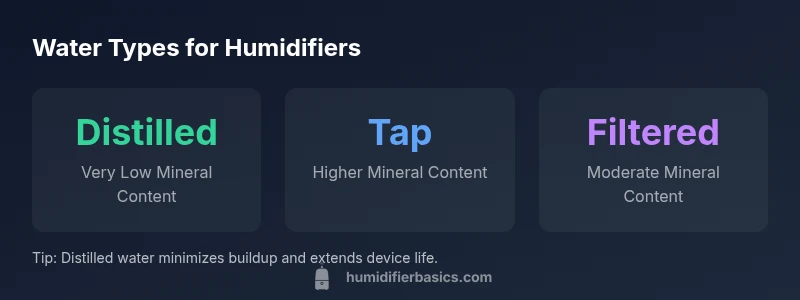
Most people asking 'vicks humidifier what kind of water' are weighing three broad options: distilled, filtered, and city tap water. Distilled water is essentially mineral-free after processing, so it minimizes residue and scale. Filtered or purified tap water can be a middle ground, offering lower mineral content than hard tap water but not guaranteed to be as pure as distilled. Standard city tap water varies by location in mineral content, which means residue and white dust can appear over time. When choosing water, consider your local water quality, your humidifier’s maintenance demands, and whether your model tolerates additives if you plan to use them. Always consult the model manual for any water-type restrictions and avoid introducing substances that aren’t recommended by the manufacturer.
How to choose water for a Vicks humidifier
Choosing water for a Vicks humidifier starts with checking the user manual. If possible, select distilled or demineralized water to minimize mineral buildup. If distilled water isn’t readily available, use the softest water you can obtain and practice a strict cleaning routine. When additives like VapoSteam are part of the plan, follow the product instructions precisely, and never exceed the recommended amount. Keep a dedicated cleaning schedule to prevent mold and bacterial growth, particularly if the reservoir sits unused for extended periods. Finally, perform a quick visual check for residue after each cleaning, and monitor mist output for any signs of reduced performance.
Cleaning and maintenance considerations
Water type and maintenance go hand in hand. Mineral-rich water accelerates scale formation, which can clog nozzles and fans. Regular cleaning helps mitigate this even if you use distilled water. A simple routine includes emptying the tank daily, rinsing with clean water, and performing a more thorough wipe-down with a mild solution periodically. If scaling is visible, a short soak with white vinegar can loosen mineral deposits, followed by a complete rinse. Dry the reservoir completely before refilling. Regular maintenance not only preserves performance but also reduces the risk of lingering odors or microbial growth in the water path.
Using additives like VapoSteam: what to know
Many Vicks humidifier models support additives such as VapoSteam. If you plan to use an additive, follow the directions on the product packaging and the device manual. Additives can alter residue patterns and may interact differently with varying water qualities. Consider using distilled water even when you add a fragrance or medicinal additive, and ensure you discard any leftover solution according to the guidelines. Never substitute other oils or fragrances that aren’t approved for humidifier use. Proper care when using additives helps preserve device life and keeps the mist safe for occupants.
Common mistakes and troubleshooting
Common missteps include using regular tap water in units not designed for mineral-heavy sources and neglecting routine cleaning. Avoid adding oils or fragrances not approved by the manufacturer, as these can clog components or promote unwanted residues. If you notice reduced mist or unusual odor, start with a thorough cleaning and inspect for mineral buildup. If symptoms persist, switch to distilled water and revisit your cleaning schedule. Remember that the water you choose directly influences mineral deposition, odor, and overall unit performance, so prioritize water quality alongside routine maintenance.
Water type comparison for humidifier use
| Water Type | Mineral Content | Residue Risk | Maintenance Notes |
|---|---|---|---|
| Distilled water | Very low | Low | Excellent for long-term use; minimal cleaning |
| Tap water (city water) | Moderate-High | High | Requires more frequent cleaning; check minerals |
| Filtered water | Moderate | Moderate | Good compromise; replace filters if applicable |
FAQ
Can I use tap water in my Vicks humidifier?
Tap water can work in some models but tends to leave mineral residues and may require more frequent cleaning. If possible, opt for distilled or demineralized water and monitor residue regularly.
Tap water can work in some models, but it often leaves mineral residue. Prefer distilled water when you can and keep an eye on any buildup.
Is distilled water necessary for all Vicks models?
Distilled water is generally the safest choice to minimize mineral deposits, but always check your model's manual for any water-type restrictions.
Distilled water is usually the safest option, but always check your model's manual for any specific guidance.
What about using VapoSteam or other additives?
If your model supports additives like VapoSteam, use them only according to the product instructions and the humidifier manual. Avoid other substances not approved by the manufacturer.
Only use additives the manufacturer approves and follow the exact directions. Do not improvise with other substances.
How often should I clean the humidifier?
Clean on a regular schedule based on usage and water type. If you use tap water, clean more often to prevent mineral buildup and mold growth.
Clean regularly, especially if you use tap water. More frequent cleaning helps prevent mold and mineral buildup.
Do water filters help with residue?
Filters can reduce some minerals but aren’t a substitute for distilled water. Follow your device's guidance on whether filtration is needed.
Filters can help a bit, but distilled water remains the best choice. Follow your device guidance on filtration.
Can essential oils harm the humidifier?
Most humidifiers aren’t designed for essential oils. Oils can clog passages and damage components. Use only approved additives and keep oils away unless specified.
Don’t use essential oils unless your manufacturer says it’s safe. They can clog parts and cause damage.
“Water choice affects mineral buildup and odor, but consistent cleaning is the best defense against microbial growth in humidifiers.”
The Essentials
- Choose distilled or demineralized water to minimize mineral buildup
- Avoid plain tap water in most Vicks humidifier models
- Follow manufacturer directions when using VapoSteam or other additives
- Regular cleaning supports healthy mist output