Humidifier Dyson Review: An Analytical Guide to Dyson Humidifiers
In-depth, analytical review of the Dyson humidifier lineup, evaluating performance, maintenance, safety, and how it stacks up against rivals for home air quality.


The humidifier dyson line blends humidification with air purification and smart controls, aiming for a compact, quiet setup ideal for bedrooms and nurseries. Compared with other premium models, it emphasizes integrated filtration, app control, and a sleek design, while trade-offs include a higher upfront price and ongoing filter maintenance.
humidifier dyson: What makes it unique
The humidifier dyson range stands out in the market for combining humidification with filtration and smart, connected features in a compact footprint. According to HumidifierBasics, this approach prioritizes integration over single-function operation, seeking to simplify day-to-day use without sacrificing air quality. Dyson models typically place a humidifying chamber alongside a filtration system and sensors that adjust mist output based on room conditions. For homeowners and renters, the crucial questions are whether the unit sufficiently covers the intended space, how noisy it is at night, and what the ongoing costs of filters and maintenance will be. This review focuses on reliability, ease of use, and lifecycle considerations to determine where Dyson fits among premium options. The HumidifierBasics team notes that real-world performance depends heavily on room size, water quality, and cleaning discipline, which influence long-term satisfaction more than spec sheets alone.
How it humidifies and purifies air
Dyson’s humidifier designs aim to deliver a balanced mix of moisture and air-cleaning benefits. In practice, you’ll typically find a mode that maintains target humidity while passing air through a filtration stage to reduce particulates and odors. This dual-function approach can be advantageous in rooms with dry air or higher pollen loads, but effectiveness hinges on proper setup and regular maintenance. The devices are often praised for clean aesthetics and straightforward integration with smart home routines, yet buyers should assess whether an all-in-one solution justifies the premium versus dedicated humidifiers plus separate purifiers. HumidifierBasics emphasizes that the value proposition improves when you already use Dyson’s ecosystem for other air-quality devices, amplifying convenience and consistency across room environments.
Filtration system and sensor tech
Central to the Dyson experience is the filtration system paired with humidity sensors that guide automatic mist generation. The typical filtration stack targets common indoor pollutants and odors, providing a measurable advantage in controlled spaces like bedrooms and nurseries. Sensors monitor humidity, temperature, and sometimes air quality indices, feeding data to the control panel or app for auto-regulation. While the filtration media quality can influence ongoing costs (replacement timing and filter price), the real-world benefit appears strongest in homes with fluctuating humidity or particulates. The HumidifierBasics Team notes that consistent filtration and sensor calibration are key to maintaining dependable performance over time.
User interface, controls, and smart features
A hallmark of Dyson devices is their minimalist yet capable user interface. Expect a clean control panel with status indicators and, in many models, app connectivity that enables remote monitoring, scheduling, and alerts. Voice-control compatibility is common, making it easy to adjust mist and humidity levels during daily routines or late-night cooling. For many users, the convenience of syncing humidity targets with existing smart home scenes justifies the premium. Yet the complexity of setup and software updates can introduce friction for some renters who move frequently or prefer simple plug-and-play appliances.
Maintenance and filter replacement workflow
Maintenance is a recurring consideration with all integrated humidifiers. Dyson’s approach typically involves periodic cleaning of reservoirs and airflow passages, plus timely filter replacements when indicated by the device’s indicators. The user must stay on top of mineral buildup in hard water areas, as mineral residue can affect mist quality and sensor accuracy. The replacement cycle varies with water quality, usage, and environmental conditions, but planning for filter changes every several months helps preserve performance. HumidifierBasics stresses that setting reminders and logging maintenance activities improves long-term satisfaction and reduces the risk of degraded air quality.
Noise levels, energy use, and performance in real rooms
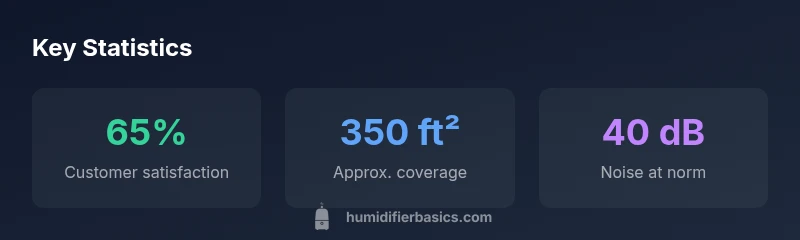
Real-world operation often diverges from spec sheets, especially regarding noise and energy consumption. In typical bedroom setups, Dyson humidifiers aim to stay within a comfortable noise band that many users consider suitable for sleep. Energy use generally stays in a modest range consistent with compact humidifiers, though actual consumption scales with run time and humidity targets. The most reliable signals come from user reviews in similar room sizes and from independent tests that compare overnight performance, mist stability, and filter longevity. The HumidifierBasics Team highlights that in steady-state operation, noise is a critical variable for long-term acceptance in quiet sleeping environments.
How to choose the right model for your space
Selecting the right Dyson humidifier depends on room dimensions, occupant sensitivity (children or relatives with allergies), and desired integration level with other devices. For small bedrooms or nurseries, a compact unit with a silent night mode can be optimal. For larger living spaces, you may want models with broader coverage, robust auto-mode, and better filtration. Consider water quality and whether you need extra features like night light, remote scheduling, or compatibility with other Dyson air-quality devices. In doubtful cases, map your room’s square footage to the expected coverage range, and weigh the cost of filters against the convenience of an all-in-one solution.
Design, footprint, and placement considerations
Aesthetics aside, placement matters for effective humidification and filtration. Dyson units typically benefit from elevated surfaces away from direct heat or sunlight, with clearance around the intake and exhaust to maintain airflow. Avoid placing the unit near electronics that could be sensitive to moisture or near heavy drapes that could obstruct airflow. The design language—clean lines and a modern silhouette—fits contemporary interiors well, but the footprint may be less ideal for compact desks or stacked shelves. For nurseries and bedrooms, ensure the device is out of reach of curious hands and cords while still offering easy access for maintenance.
Common misconceptions and myths debunked
Myth: All humidifiers are the same, so upgrade decisions are purely about price. Reality: integrated filtration, humidity targeting, and app-based control can dramatically alter results and user experience. Myth: Higher mist output always means better air quality. Reality: Optimal humidity levels and filtration suitability matter more for comfort and health. Myth: These devices are noisy and disruptive. Reality: Dyson’s premium models often offer quiet operation modes, but room acoustics and placement influence perceived noise. The goal is consistent humidity with clean air, not sheer mist volume.
Practical buying guide and final checks
Before purchasing, define your primary use case (bedroom comfort, nursery safety, or allergy management). Check room size compatibility, filtration replacement costs, and whether you already rely on Dyson devices for air quality. Confirm availability of auto-mode, remote control, and scheduling features you value. Inspect water-source options (e.g., distilled water vs. tap water) and ensure the unit’s maintenance routine aligns with your willingness to clean and replace components. Finally, compare against a baseline of a dedicated purifier plus a separate humidifier to understand total lifecycle costs and performance trade-offs.
Real-world usage scenarios: nurseries, bedrooms, small offices
In nurseries and bedrooms, consistent humidity paired with clean air can reduce irritation and improve comfort, especially in dry climates. For small offices, quiet operation and the ability to run overnight can support a healthier indoor environment without becoming a distraction. In all cases, select a model with auto-regulation, a reliable filter system, and easily accessible maintenance access. The goal is to sustain comfortable humidity levels while minimizing ongoing maintenance and noise, enabling seamless day-to-day use in spaces where health and comfort matter most.
Brand and support landscape: Dyson vs competitors
Dyson’s humidifiers compete with other premium brands that offer separate humidification and filtration products. The major decision factor tends to be ecosystem compatibility, warranty terms, and the availability of replacement filters. Dyson’s support network and service quality can influence post-purchase satisfaction, particularly for renters who may need to relocate or service equipment in multiple homes. When weighing options, consider not only upfront cost but also long-term maintenance, filter availability, and the ease of obtaining replacement parts from official channels.
What's Good
- All-in-one air quality and humidity control
- Premium build quality and design
- Smart features and app control
- Quiet operation under typical use
Negatives
- Higher upfront cost
- Ongoing filter replacement costs
- Requires regular cleaning to avoid mineral buildup
Best for users seeking an all-in-one, premium air-quality solution in medium rooms
The Dyson humidifier delivers integrated humidity control and filtration with smart features that streamline daily use. For spaces where design, quiet operation, and ecosystem compatibility matter, it’s a strong option. However, buyers should realistically weigh ongoing filter costs and the premium price against independent humidifier and purifier setups.
FAQ
What is the primary benefit of a Dyson humidifier compared to standalone models?
Dyson humidifiers offer integrated humidification and filtration with smart controls, delivering convenience and a cleaner air experience in one device. The practical payoff depends on your room size and maintenance discipline.
Dyson combines humidity and filtration in one unit, which saves space and adds smart controls, but you still need to maintain filters to keep air clean.
How often should I replace filters in a Dyson humidifier?
Replacement frequency depends on usage and water quality, typically every several months. Rely on the device’s indicators and your cleaning schedule to decide the exact timing.
Check the indicator when you notice decreased performance and replace filters as recommended by the manufacturer.
Can I use essential oils in a Dyson humidifier?
Most consumer humidifiers, including many Dyson models, are not designed for essential oils. Oils can clog filters and void warranties. Use plain water and follow the manufacturer’s guidelines.
Avoid essential oils in these units; use water only and follow the manual for safe operation.
Is Dyson’s humidifier safe for nurseries and children?
Yes, when used as directed and properly positioned, Dyson humidifiers can help maintain comfortable humidity in nurseries. Always keep the unit out of reach and monitor humidification levels to avoid excess moisture.
Yes, it can be suitable for nurseries if placed safely and humidity is monitored.
What water type should I use with a Dyson humidifier?
Use clean, preferably distilled or demineralized water to minimize mineral buildup and sensitivity in sensors. Tap water can be used if it’s low in minerals and you clean the unit regularly.
Distilled water helps reduce mineral buildup and keeps the device working reliably.
How does Dyson compare to other premium brands in terms of noise?
Dyson models generally aim for quiet operation with night modes, but actual noise depends on room acoustics and placement. Check user reviews in rooms of similar size to yours for the best comparison.
They’re usually quiet, but results vary by room; look for night modes in reviews.
The Essentials
- Assess room size before buying to ensure adequate coverage
- Expect ongoing filter maintenance as part of lifetime costs
- Leverage smart features for seamless daily use
- Compare Dyson’s all-in-one approach with separate purifier + humidifier setups
- Place unit away from direct heat and ensure easy access for cleaning