Humidifier Use with Pneumonia: Safe, Practical Guidance
A practical guide to using a humidifier during pneumonia recovery. Learn safe device selection, target humidity ranges, cleaning routines, and tips to ease cough and congestion.


A humidifier can ease cough and throat irritation during pneumonia recovery, but it won't cure the illness. Use a safe device, monitor humidity, and clean regularly to prevent mold. Consult your clinician if symptoms worsen, and stop using if you notice fever or excess moisture. See our detailed steps for safe setup and maintenance.
Understanding the role of a humidifier when you have pneumonia
When you have pneumonia, your airways can become irritated, your mucus production may increase, and breathing may feel heavier. A humidifier can add moisture to the air, helping thin mucus, soothe a dry throat, and ease coughing. However, a humidifier is not a cure or a substitute for prescribed antibiotics or other medical treatments. The key is balancing humidity to support comfort without creating damp conditions that encourage mold or bacterial growth. For people considering a humidifier when you have pneumonia, practical use matters as much as device choice. In this guide, we outline why humidity can help, what to expect during recovery, and the most common mistakes to avoid. The HumidifierBasics team emphasizes that simple, consistent steps at home can support symptom relief and comfort without introducing new risks.
Choosing the right humidifier for pneumonia recovery
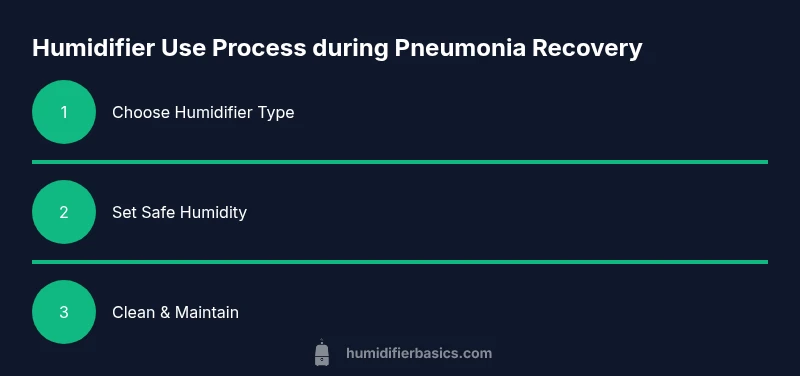
Different humidifier designs affect how evenly moisture is delivered and how easy they are to keep clean. Evaporative models, which use a fan and a wick, tend to self-regulate humidity somewhat and may be less likely to over-humidify a room when you have pneumonia. Ultrasonic humidifiers are quiet and efficient but can disperse mineral dust if tap water is used. Warm-mist humidifiers produce steam that can feel comforting but may pose a burn risk if the unit is reachable by a child or a patient. For a pneumonia recovery environment, many clinicians and home care guides prefer cool-mist evaporative or ultrasonic devices with a sealed reservoir and a proven cleaning routine. Distilled water is recommended to minimize mineral buildup and white dust that can irritate the lungs. In the HumidifierBasics Analysis, 2026, device selection is just one part of a safe, integrated approach to symptom relief.
Safe humidity ranges and respiratory comfort
Maintaining appropriate indoor humidity can support mucosal health and ease breathing during pneumonia recovery. Aim for a comfortable range that relieves irritation without creating damp conditions. In general, many health professionals advise keeping humidity in a moderate band and adjusting to what feels most comfortable in your space. Humidifier use should be part of a broader recovery plan, including rest, hydration, and any medications prescribed by your clinician. Humidity that is too high can promote mold and dust mite growth, while too low humidity can worsen throat and nasal dryness. The HumidifierBasics Analysis, 2026 notes that proper humidity management correlates with improved comfort for many respiratory patients, including those recovering from pneumonia.
Setup and daily use: safe use during illness
Before turning on a humidifier, ensure the room is clean and adequately ventilated. Place the unit on a stable surface away from the bed and doors where drafts could blow moisture onto fabrics or electronics. Use distilled or demineralized water to minimize mineral buildup. Keep the mist directed away from pillows and direct contact with the patient to avoid localized condensation. Use a hygrometer to monitor room humidity and adjust the setting to maintain a comfortable level. Avoid over-humidifying, which can worsen condensation on walls or create breeding grounds for mold. Regular checks during the day help keep usage aligned with symptoms and comfort.
Cleaning, maintenance, and mold prevention
Daily rinsing of the water tank and reservoir is essential to prevent stagnation. Schedule a weekly deep clean with a mild detergent or a vinegar solution recommended by the manufacturer, and ensure all parts are completely dry between uses. Replace any filters per the manufacturer's guidance and inspect for cracks or wear that could leak. Use clean cloths and avoid abrasive scrubbing that could damage seals. If you notice musty odors or visible mold, discontinue use until a full cleaning is completed. Proper maintenance reduces infection risk and keeps humidity levels stable for comfort during illness.
Alternatives and complementary strategies for pneumonia recovery
Humidifier use is one part of a broader approach to symptom relief. In addition to humid air, consider nasal saline rinses, warm fluids, and rest. If you live in a very dry climate, humidity support becomes more important, but always balance moisture with mold prevention. People with severe pneumonia or compromised immunity should seek clinician guidance before making changes to their home environment. In some cases, doctors may recommend air purifiers, decongestants prescribed by a physician, or other supportive measures tailored to your health status.
Weather, room layout, and timing considerations
Humidity needs can shift with the season and room usage. A bedroom that runs very dry at night may benefit from nighttime humidification, but daytime humidity may require less support. Avoid running a humidifier in locked spaces or rooms with poor air exchange for extended periods. If you notice foggy windows, condensation on walls, or musty smells, reassess humidity and airflow. By aligning humidifier use with daily routines and air-quality checks, you can optimize relief while minimizing risk.
Tools & Materials
- Humidifier (cool-mist or warm-mist)(Choose a unit with a sealed water reservoir and avoid direct steam toward beds.)
- Distilled water(Reduces mineral dust and residue that can irritate airways.)
- Hygrometer(Monitor room relative humidity (RH) to stay within a comfortable range.)
- Soft cloth(Wipe down exterior surfaces after use to remove moisture and dust.)
- Mild cleaning solution (soap or vinegar)(Use for weekly reservoir cleaning to prevent biofilm growth.)
- Gloves(Optional for handling cleaning solutions.)
Steps
Estimated time: 30-45 minutes
- 1
Gather essential equipment and prepare the room
Collect the humidifier, distilled water, hygrometer, soft cloth, and cleaning supplies. Clear a stable surface away from the bed and electronics. This first step ensures a safe, controlled setup and reduces the chance of spills during operation.
Tip: Keep a small tray on hand to catch any incidental spills. - 2
Fill with clean water and select the setting
Fill the reservoir with distilled water to minimize mineral buildup. Choose a cool-mist or warm-mist setting appropriate to the unit and your comfort level, avoiding direct mist toward the patient. Start at a low setting and observe how the room responds.
Tip: Never reuse standing water; empty and refill between sessions. - 3
Position the humidifier safely
Place the unit on a sturdy surface at least 3 feet from the bed and away from walls or fabrics that could become damp. Point the mist away from seating areas to prevent condensation on pillows. This reduces moisture exposure to textiles and helps maintain even humidity.
Tip: Ensure the unit is unplugged before repositioning. - 4
Run the humidifier and monitor humidity
Turn on the device and use the hygrometer to track RH. Maintain a comfortable range, typically around 40-60%, adjusting as needed for comfort. Periodically check that moisture is not pooling on surfaces or windows.
Tip: If the room feels damp or you see condensation, reduce output. - 5
Daily cleaning and maintenance
Rinse the reservoir daily and wipe the base with a clean cloth. Perform a deeper weekly clean with a mild detergent or vinegar solution. Dry all parts completely before reassembling to prevent microbial growth.
Tip: Label a cleaning schedule on the bathroom mirror or fridge to stay consistent. - 6
Safety check before sleep
Inspect for mold, odors, or visible mineral residue. If you observe any issues, pause use and clean thoroughly before resuming. If fever or new symptoms appear, contact your clinician promptly.
Tip: Do not run the humidifier in a closed closet or unventilated space.
FAQ
Can a humidifier help pneumonia symptoms?
A humidifier can ease coughing and throat irritation by adding moisture to the air, but it is not a cure for pneumonia. Use it as part of a broader recovery plan prescribed by your clinician.
A humidifier can ease cough and throat irritation during pneumonia recovery, but it won't cure the illness. Use it as part of your clinician-guided recovery plan.
What humidity level should I aim for when recovering from pneumonia?
Aim for a comfortable indoor humidity range, commonly around 40-60%, and adjust based on comfort and room conditions. Avoid excessive humidity that can promote mold.
Aim for roughly 40 to 60 percent humidity, adjusting for comfort and room conditions.
Warm-mist or cool-mist humidifiers: which is better for pneumonia?
Cool-mist humidifiers are generally safer around patients and households with children, while warm-mist units can introduce burn risks. Choose the safer option and use carefully.
Cool-mist humidifiers are usually safer and a good default choice for pneumonia recovery.
Can a humidifier spread germs?
If not cleaned properly, a humidifier can harbor mold and bacteria. Clean and dry the unit regularly, and never share a contaminated device.
Yes, if you don’t clean it, it can spread germs. Clean it regularly.
How often should I clean a humidifier when sick?
Rinse the tank daily and perform a thorough weekly clean with a mild detergent or vinegar solution, following the manufacturer's guidelines.
Rinse daily and clean weekly, following the device’s care instructions.
Should I use distilled water in a humidifier for pneumonia?
Yes. Distilled or demineralized water minimizes mineral residue that can irritate airways.
Yes—distilled water reduces mineral dust and residue.
Watch Video
The Essentials
- Use humidity to support comfort, not cure the illness
- Choose a humidifier with safe features and easy cleaning
- Monitor humidity and clean daily to prevent mold
- Consult a clinician if symptoms worsen or moisture creates issues