Humidifier Troubleshooting: When a Humidifier Causes Coughing
Practical troubleshooting guide to diagnose and fix coughing linked to humidifier use. Learn cleaning, water choices, humidity targets, and safe maintenance for healthier air.


If your humidifier can cause coughing, the most likely causes are over-humidification or dirty mist. According to HumidifierBasics, the quickest fix is to turn the unit off, clean the reservoir and filter, and switch to distilled water. Check for visible mold, replace or sanitize components, and run the humidifier with a lower humidity target. If symptoms persist, consult a clinician.
Understanding how a humidifier can affect coughing
Coughing can occur when a humidifier changes the air you breathe in ways your airways don’t tolerate. The humidity level, mist quality, and water source all influence irritation in the throat and lungs. When humidity is too high, condensation can encourage mold growth, dust mites, and mildew in the room. The resulting particles raise your cough reflex and can worsen congestion. Conversely, if the air is too dry, the mucous membranes dry out, triggering coughing or throat irritation. The goal is to maintain comfortable, breathable air by controlling humidity with a reliable humidistat and choosing clean, safe water. For most homes, a target range around moderate humidity—roughly the 30 to 50 percent RH zone—helps minimize cough symptoms while reducing mold risk. At HumidifierBasics we emphasize consistent monitoring, good room ventilation, and regular maintenance to prevent irritants from turning into ongoing cough triggers.
Common culprits behind coughing symptoms
Several everyday issues can turn a well-meaning humidifier into a coughing concern. First, mold and bacteria can flourish in tanks left damp or glassware that isn’t dried thoroughly after use. The resulting mist carries spores and microbes that irritate airways. Second, mineral dust from hard water deposits can create a fine white powder in the mist; inhaling it may trigger coughing in sensitive people. Third, old or clogged filters reduce filtration, letting contaminants pass into your room. Fourth, run-time settings beyond comfortable humidity can create damp surfaces and musty odors that irritate the throat. Finally, using a humidifier in a bedroom with pets or pollen exposure can worsen congestion and coughing, especially for allergy sufferers. By recognizing these culprits, you can act quickly to fix symptoms and restore air quality.
Quick checks you can do today
Start with the easiest steps: turn the device off if coughing worsens and unplug before inspection. Inspect the water source—tap water often contains minerals that form deposits; switch to distilled or demineralized water. Empty and rinse the tank, then clean all surfaces with a mild detergent. Remove and clean or replace the filter if your model uses one. Wipe out the base and mist outlets to remove any slime. Refill with clean water, set the humidistat to a safe level, and ensure there is adequate air circulation in the room. Finally, run the unit on a low setting for 15-20 minutes and observe whether coughing persists. If symptoms improve, you likely found a simple fix; if not, proceed to deeper cleaning or professional help.
How to clean and sanitize safely
Disassemble the humidifier according to the manufacturer’s instructions. Soak removable parts in a solution of mild dish soap and warm water, then rinse thoroughly. For mineral buildup, wipe surfaces with white vinegar to dissolve deposits, then rinse again. To sanitize, use a diluted hydrogen peroxide solution or a manufacturer-approved sanitizer, following label directions. Dry every piece completely before reassembly to prevent microbial growth. Reassemble, run through a short cleaning cycle with distilled water, and check for any unusual odors or visible growth. Safety: never mix cleaners and avoid bleach unless the manufacturer permits; always unplug before handling electrical components. Frequent cleaning, especially in humid climates, reduces the risk of coughing from contaminated mist.
How to adjust settings to reduce coughing risk
Use a humidistat to keep humidity within a comfortable range, typically around 30-50 percent. If your model allows, choose cool-mist operation, which tends to produce fewer mineral aerosols than warm-mist units. Use distilled water to prevent mineral dust and wipe the tank weekly. Consider reducing fan speed if mist appears heavy, and ensure the room is well ventilated to prevent damp corners. If your symptoms persist after adjusting, reduce overall moisture or temporarily stop using the device while you investigate other triggers. Humidifier usage should support breathing, not irritate it.
When to replace parts and choose the right water
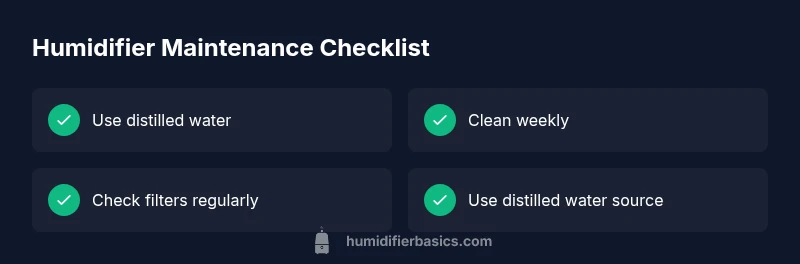
Water type matters: distilled water minimizes mineral buildup and keeps mist clean. Replace filters as recommended by the manufacturer, typically every 2-6 months depending on usage and water quality. Tank seals and gaskets should be inspected for cracks and replaced if they leak or odor persists. If your unit shows persistent spray smells, visible slime, or funny noises, it’s time to replace the device or major components. Investing in a model with a proven filter and easy disassembly makes ongoing maintenance simpler and safer.
Special considerations for allergies, asthma, and pets
For allergy-prone individuals, frequent cleaning and using HEPA air cleaners in conjunction with the humidifier can help. Speak with a clinician about whether a humidifier could worsen asthma symptoms if your airways react to damp environments. Always ensure pets have clean, dry spaces and avoid mold-prone areas. Using distilled water reduces mineral dust that could irritate throats and lungs. In all cases, monitor symptoms and adjust your setup to maintain comfort without triggering coughing.
Safety, prevention, and when to seek professional help
Prevention is easier than resolving persistent symptoms. Create a routine: daily water changes, weekly tank cleaning, monthly filter checks, and seasonal maintenance. Ventilate rooms when possible and avoid over-humidifying. If coughing persists after following these steps, consult a healthcare professional to rule out other causes such as infections or allergies. If you smell mold, notice leaks, or experience chest tightness, seek a professional inspection for both the humidifier and the room environment. Humidifier safety is essential for healthy air, so prioritize proper cleaning, water quality, and humidity control.
Steps
Estimated time: 45-60 minutes
- 1
Power down and unplug
Before touching the device, unplug it and remove any water. This keeps you safe while inspecting hoses, tanks, and filters. Start with a visual check for any obvious cracks or leaks.
Tip: Always handle electrical components with dry hands and on a non-slip surface. - 2
Empty, inspect, and rinse the tank
Discard old water and look for slime, mold, or cloudy residues. Rinse with clean water and use a soft brush to remove any buildup. Avoid harsh abrasives that could scratch seals.
Tip: If you see slime, soak parts in a mild solution for 5-10 minutes before brushing. - 3
Clean and sanitize components
Wash removable parts with mild soap and warm water. For mineral deposits, wipe with white vinegar and rinse well. Sanitize with a manufacturer-approved solution if you plan to sanitize.
Tip: Do not mix cleaners; follow label directions for sanitizers. - 4
Check filters and output paths
Inspect filters for discoloration or wear and replace if needed. Clean mist outlets and fans to ensure even distribution and prevent concentrated spits of mist.
Tip: If your model lacks a replaceable filter, schedule regular internal cleanings instead. - 5
Refill with safe water and adjust settings
Fill with distilled water and set humidity to around 30-50%. Ensure the room is ventilated and the device isn’t pointed at walls or fabrics that could trap moisture.
Tip: Avoid tap or mineral-rich water to reduce mineral dust in the air. - 6
Test run and monitor symptoms
Plug in, run on a low setting, and monitor mist output and room moisture. Note any changes in coughing and air quality over the next several hours.
Tip: If coughing persists, continue with deeper cleaning or stop using the device temporarily.
Diagnosis: Coughing or throat irritation worsens when the humidifier runs
Possible Causes
- highOver-humidification leading to damp surfaces and mold growth
- highMold, bacteria, or slime in the reservoir or tank
- mediumMineral dust or deposits from hard water in mist
- mediumContaminated filter or mist output due to stale water
Fixes
- easyLower humidity target to 30-50% with a humidistat; ensure good room ventilation
- easyDeep clean the reservoir, base, and all components; sanitize with approved solutions
- easySwitch to distilled water and replace the filter if applicable
- mediumDisassemble and inspect for cracks or persistent odors; replace parts or unit if needed
FAQ
Can a humidifier cause coughing if it is used correctly?
Yes. Even properly used humidifiers can cause coughing if humidity is too high, if the mist contains mold or minerals, or if the water source is contaminated. Regular cleaning and correct water choice reduce these risks.
Yes, coughing can happen if humidity is too high, mold is present, or minerals are in the mist, even with proper use.
What humidity level is safe to prevent coughing?
Aim for roughly 30-50 percent relative humidity. This range supports comfortable air without encouraging mold growth or excessive dampness that irritates the throat.
About 30 to 50 percent relative humidity helps keep coughing in check.
Is distilled water always better for humidifiers?
In most cases, yes. Distilled water minimizes mineral buildup in the tank and mist, reducing mineral dust that can irritate airways.
Yes—distilled water helps keep mist mineral-free and gentler on your lungs.
How often should I clean my humidifier?
Clean the reservoir and tank weekly if you use the humidifier regularly. Perform a deeper clean monthly or more often if you notice residue or odors.
Clean weekly, with a deeper clean monthly or if you notice smells or build-up.
When should I replace the filter or parts?
Replace filters as recommended by the manufacturer, usually every 2-6 months depending on use and water quality. Replace worn or cracked parts as soon as you notice issues.
Replace filters per the guide, and swap any worn parts as soon as you spot damage.
When should I seek medical help for coughing?
If coughing persists after troubleshooting, or if you experience chest tightness, wheeze, or fever, consult a clinician to rule out infections or asthma-related triggers.
If coughing continues after trying these steps, see a clinician to check for other causes.
Watch Video
The Essentials
- Maintain humidity at 30-50% to minimize coughing risk
- Use distilled water to reduce mineral dust
- Clean and replace filters regularly to prevent contaminants
- Inspect for mold and mildew in tanks and tubing
- Consult a clinician if coughing persists after troubleshooting