How to Get Rid of a Stuffy Nose Without a Humidifier
Learn proven at-home methods to ease nasal congestion without a humidifier. Saline rinses, steam, hydration, and smart sleep tips for safe, effective relief.


To relieve a stuffy nose without a humidifier, you can combine nasal saline irrigation, steam inhalation, staying hydrated, and gentle head elevation at night. This guide outlines safe, step-by-step techniques you can perform at home, plus when to seek medical care and what supplies to have on hand.
Why a Stuffed Nose Happens Without Humidity
Indoor air quality plays a big role in nasal comfort. When indoor humidity remains low, the mucous membranes lining your nose can dry out, become irritated, and respond with swelling that narrows nasal passages. This is a common scenario in winter or in air-conditioned spaces, where dry air circulates for long periods. According to HumidifierBasics, while a humidifier can help, you don’t have to own one to find relief. The HumidifierBasics Team found that many readers experience noticeable improvement with a few at-home techniques that support your nose’s natural clearance mechanisms: nasal saline irrigation, steam-based comfort, staying well-hydrated, and raising your head at night. The aim is not to soak the nose, but to thin mucus, reduce swelling, and restore easier breathing.
Think of the strategies below as a toolkit you can pick from depending on your symptoms. Saline rinses physically flush irritants and thin mucus; steam provides warmth that loosens congestion; hydration keeps secretions thin and flowing; and the right sleep position can encourage drainage without disturbing sleep cycles. Always be mindful of safety: steam, hot water, and aggressive sniffling can cause harm if misused. If you notice high fever, severe facial pain, or symptoms persisting beyond a week, consult a clinician. With consistency, you can ease congestion without a humidifier using these evidence-based approaches.
Core methods: Saline Irrigation and Nasal Sprays
Nasal saline irrigation is a cornerstone technique for many people with congestion who want to avoid devices. Isotonic saline (the same salt concentration as your body) helps rinse irritants, loosen dried mucus, and reduce nasal swelling. You can use a ready-made saline spray for quick relief, or a neti pot or squeeze bottle for a deeper rinse. If you choose irrigation, always use sterile, distilled, or boiled water that’s cooled to body temperature to prepare the saline solution; never use tap water directly in a neti pot. After mixing, test the solution on your wrist to ensure it feels comfortable before application.
For most adults, perform a nasal rinse once in each nostril in a calm, upright position, leaning slightly forward. If you prefer spray bottles, aim the mist toward the outer side of the nose to moisten without flooding the nasal passage. A gentle saline spray can be used several times a day as needed. After irrigations or sprays, blow your nose gently to clear mucus and avoid irritants like smoke or strong fragrances for a few hours. Knowledgeable readers know that saline irrigation is a safe, effective tool when used properly and that some people experience mild stinging at first; this usually passes within a minute or two.
Steam Inhalation and Warmth: Safe, Effective Relief
Steam can loosen thick mucus and ease sinus pressure when used carefully. To begin, boil water and pour it into a heat-safe bowl. Let the water cool for a moment, so it isn’t scalding, then lean over the bowl with a towel draped over your head to trap the vapor. Breathe in slowly through your nose for 5–10 minutes, taking breaks if you feel light-headed or overwhelmed by heat. If you have sensitive skin or a history of facial pain, consider a gentler approach such as a warm, damp towel held to the face for several minutes rather than continuous steam. Always keep the steam source at a safe distance and never use boiling water or steam around children who may tip the bowl.
Steam inhalation is not a replacement for medical care. If you have asthma or chronic respiratory conditions, consult a clinician before attempting this technique, and discontinue if you experience dizziness, chest tightness, or breathing difficulties. You can repeat steam sessions a few times a day as part of a broader relief plan, but avoid prolonged exposure that could dry out mucosa or irritate eyes. The goal is to ease congestion without causing burns or irritation, not to scald the nasal passages.
Hydration, Nutrition, and Sinus Health
Hydration is a simple but powerful contributor to nasal comfort. Water helps maintain the thin mucus that allows the sinuses to drain more easily. Aim for consistent fluid intake throughout the day, including water, broths, and caffeine-free herbal teas. Warm beverages can provide a soothing effect and help loosen mucus, but be mindful of added sugars that may cause dehydration. If you exercise or live in a dry climate, you may need more fluids than usual. In addition to fluids, consider light, nutrient-rich meals that support immune function and hydration.
Certain foods and drinks can influence mucus production and nasal swelling for some people. Spicy foods and hot soups can temporarily trigger nasal drainage, while dairy products have mixed evidence for thickening mucus; observe your own reactions and adjust your intake accordingly. Finally, avoid dehydration through excessive alcohol consumption or high-sodium meals, which can make congestion feel worse. By prioritizing hydration and mindful nutrition, you give your body a better chance to manage congestion more effectively without a humidifier.
Sleep Position and Daytime Habits for Congestion
How you sleep matters as much as what you do during the day. Elevating the head of your bed with extra pillows or a wedge pillow can facilitate gravity-driven drainage and reduce nighttime nasal swelling. Try to maintain a consistent sleep schedule and a quiet, dark environment, which supports your body’s natural healing processes. During the day, take breaks to gently clear your nasal passages with a saline spray or perform a quick nasal rinse if you feel congested. Avoid lying flat for extended periods after meals, as this can worsen reflux-related throat irritation, which sometimes mimics nasal congestion.
Limit irritants in your environment. Smoke, strong scents, and dusty spaces can worsen nasal swelling. If you’re sensitive to pollen or pet dander, use protective measures like high-efficiency filters and keep pets out of bedrooms when possible. Regular light activity, such as a short walk, can also encourage mucus drainage and reduce the feeling of fullness in the sinuses. By integrating these simple daytime habits and sleep adjustments, you can reduce the frequency and intensity of congestion without introducing a humidifier.
Safety, Warnings, and When to See a Doctor
Most home relief methods for a stuffy nose are safe when used as directed, but there are important safety considerations. Steam inhalation should be done with care to avoid burns, and never use boiling water directly on skin or near children who could spill the bowl. Saline irrigation may cause a brief stinging sensation; if you experience persistent pain, fever, or nasal bleeding, stop and consult a clinician. Do not rely on over-the-counter sprays for more than a few days in a row, as rebound congestion is possible when used long-term. People with underlying sinus infections, nasal polyps, severe allergies, or immune suppression should seek professional advice before attempting self-treatment.
Young children require different approaches; consult a pediatrician for safe methods. If you notice symptoms such as chest pain, severe coughing, persistent fever above 38°C (100.4°F), or shortness of breath, seek urgent medical care. This guidance is not a substitute for medical advice, and individual conditions may call for personalized treatment. The HumidifierBasics team emphasizes safe at-home techniques and knowing when to escalate care if symptoms fail to improve.
Creating a Simple At-Home Relief Plan
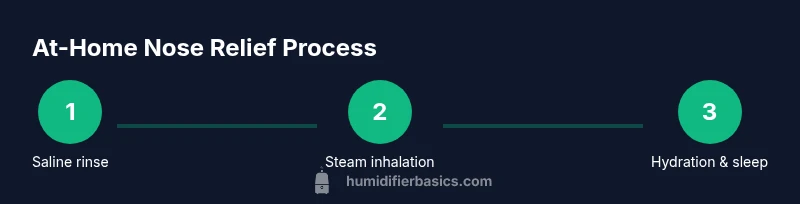
Putting together a practical plan makes it easier to relieve a stuffy nose without a humidifier. Start by choosing two or three go-to methods you trust, such as a daily saline rinse, a couple of short steam sessions, and consistent hydration. Create a routine: morning saline rinse, mid-day steam, and a soothing warm drink before bed while you keep your head elevated. Track how you feel after each session and adjust the plan as needed. If you’re trying this with kids, simplify steps and use age-appropriate tools, and always supervise saline irrigation to avoid swallowing saline solution.
As you build your plan, keep safety first. Wash your hands before and after each technique; clean your irrigation device after use; and store all ingredients and implements in a dry, clean area. Consider adding a daily check-in with yourself to evaluate nasal breathing, sleep quality, and hydration. With steady practice, these strategies can deliver meaningful relief from congestion without a humidifier, and you’ll be better prepared to manage future episodes.
Tools & Materials
- Isotonic saline nasal spray(Ready-to-use or squeeze bottle form)
- Nasal irrigation kit (neti pot or squeeze bottle)(Distilled or boiled water for solution)
- Distilled or boiled water (for irrigation)(Cool to body temperature; never tap water)
- Tissues(Soft, not rough)
- Bowl and towel for steam inhalation(Heat-safe bowl; avoid spills)
- Pillow or wedge for head elevation(Keeps nasal passages inclined for drainage)
- Hydration options (water, herbal tea, broth)(Aim for regular fluids throughout the day)
- Mild compress (warm)(For sinus comfort if desired)
Steps
Estimated time: Total time: 60-120 minutes (spread across the day)
- 1
Gather supplies and prepare a safe space
Collect all items listed in the tools/materials section and set up a clean, comfortable area. Wash your hands before handling any nasal care tools to reduce the risk of introducing irritants or bacteria. Ensure the room is away from direct heat sources and that you have a timer ready for steam and irrigation sessions.
Tip: Have tissues nearby and use a towel to protect surfaces from condensation. - 2
Prepare saline solution for irrigation
If making solution, dissolve pre-measured saline in distilled water at body temperature and avoid adding extra salt. If using a pre-bottled saline mix, use it as directed. Test the solution on your forearm to ensure it feels comfortable (not hot or burning).
Tip: Label a dedicated bottle to prevent cross-use with food and drinks. - 3
Perform nasal irrigation
Lean slightly forward over a sink, insert the irrigation tip into a nostril, and gently allow solution to flow through the opposite nostril. Repeat on the other side. Avoid forceful squeezing that can push mucus into the throat.
Tip: Breathe through your mouth during the rinse and avoid swallowing the solution. - 4
Apply saline spray between sessions
After irrigation, use a few pumps of isotonic saline spray into each nostril to moisten and further loosen mucus. This step helps maintain moisture and reduces crusting.
Tip: Do not overuse sprays to prevent rebound congestion. - 5
Steam inhalation with caution
Pour hot water into a heat-safe bowl and lean over it with a towel forming a tent. Inhale slowly through the nose for 5–10 minutes. Stop if you feel dizzy, overheated, or lightheaded.
Tip: Keep the bowl away from children and never use boiling water when others are nearby. - 6
Hydrate and enjoy warm fluids
Sip water, herbal tea, or clear broths throughout the day to help thin mucus. Warm beverages can be soothing and support the nasal passages during recovery.
Tip: Avoid excess caffeine or alcohol which can dehydrate you. - 7
Elevate your head at night
Use an extra pillow or a wedge pillow to elevate your head during sleep. This helps mucus drain more effectively and reduces nocturnal nasal swelling.
Tip: Maintain a consistent sleep schedule to support immune function. - 8
Monitor symptoms and adjust your plan
Keep a simple log of symptoms, fluids, and activities. If congestion persists beyond 7–10 days, or if fever, chest pain, or shortness of breath occurs, seek medical advice.
Tip: If you’re considering use of medicated sprays, follow label directions and limit duration.
FAQ
Is steam inhalation safe for adults?
Steam inhalation can be safe for many adults when done carefully. Avoid boiling water, keep a safe distance, and stop if you feel dizzy or overheated. People with asthma or certain heart conditions should consult a clinician before trying steam inhalation.
Steam inhalation can help, but proceed cautiously and consult a clinician if you have asthma or heart conditions.
Can saline irrigation replace medications?
Saline irrigation can reduce mucus and irritation but is not a replacement for prescribed medications or professional care if you have an infection or persistent symptoms. Use it as a complementary at-home method.
Saline helps with mucus but isn’t a substitute for necessary medications or doctor visits.
How often should I use nasal sprays without causing rebound congestion?
Limit over-the-counter nasal sprays to a few days in a row. Prolonged use can cause rebound congestion and dependence on the spray for relief.
Limit sprays to a few days to avoid rebound congestion.
What should I do if my congestion lasts more than a week?
If congestion lasts more than 7–10 days, or if you develop fever, chest pain, or shortness of breath, seek medical advice. A clinician can assess for infections or other conditions.
Persistent congestion warrants medical evaluation.
Can these methods help with allergy-related congestion?
Saline irrigation and steam can provide relief for many allergy-related symptoms, but they do not treat the underlying allergy. If allergies are suspected, consider addressing triggers and discussing antihistamines with a clinician.
They help relieve symptoms but don’t treat the allergy itself.
Are there safety concerns for children when using steam?
Steam poses burn risks for children. For kids, use milder approaches (lukewarm towels, supervised irrigation) and consult a pediatrician before attempting steam inhalation.
Use caution with children and seek pediatric guidance.
Watch Video
The Essentials
- Use saline and steam safely to relieve congestion
- Hydration supports mucus clearance
- Elevate the head to improve nighttime drainage
- Avoid unsafe practices and seek care if red flags appear
- Build a simple, at-home relief plan