When Should You Turn On the Humidifier? A Practical Guide
Learn the right times to turn on your humidifier, how to measure humidity, and safe usage tips for healthier indoor air. A practical guide by HumidifierBasics.


Goal: Learn the exact timing for turning on a humidifier to keep indoor air healthy and comfortable. You’ll discover ideal RH ranges, how to measure humidity, seasonal adjustments, and practical safety steps to prevent mold and over-humidification. You’ll also learn how to interpret RH readings, set humidifier controls, and tailor usage to different climates and home layouts.
Why humidity levels matter for health and comfort
Humidity is a core factor in how comfortable your home feels and how well your respiratory system functions. Dry air can irritate nasal passages, throat, and skin, while overly damp air can foster mold growth and musty odors. The HumidifierBasics team notes that striking the right balance supports better sleep, reduces static electricity, and protects wood furniture and fabrics. According to HumidifierBasics, maintaining indoor humidity within a balanced band is especially important during heating seasons, when dry indoor air is most common. In practice, many homes benefit from an RH range around 40% to 60% in winter, with adjustments based on outdoor climate, room use, and personal comfort. Small, consistent changes beat large swings, so start with a reliable RH target and adjust gradually as you gather data from a hygrometer. Think of humidity as the invisible dial that influences comfort, health, and even energy use: drier air makes you feel colder, while properly humidified air can feel warmer at the same thermostat setting. Also note that pets and kids respond to humidity differently, so observe family-wide comfort signals and err on the side of caution to prevent condensation on windows or walls.
Understanding the ideal humidity range
A healthy indoor environment sits in a mid-range humidity window that protects skin, sinuses, and furniture while discouraging mold and dust mites. The general guideline is to target roughly 40% to 60% RH in winter, and potentially lower in hot, humid months. HumidifierBasics analysis suggests that many homes operate best when humidity stays within a comfortable band during heating seasons; too low, and you feel dry; too high, and you risk dampness and mold. You’ll notice that the same RH can feel different in different rooms due to airflow, occupancy, and temperature. Use a hygrometer in the living room and a bedroom to get a balanced view of overall RH. When you identify consistent readings near the lower end of the target, plan to turn on the humidifier during dry periods, especially when you run forced-air systems or wood-burning stoves. Conversely, if readings hover near the high end during rain or warm days, you may need to reduce humidity or improve ventilation. Remember: RH is dynamic, and small adjustments over days are more effective than large, abrupt changes.
How to measure humidity accurately
Accurate RH readings start with a reliable hygrometer and mindful placement. Place the device in a central living area, away from direct sunlight, heat vents, ovens, or humidifiers themselves, to avoid skewed results. Digital hygrometers with a trend display are helpful because they show daytime and overnight changes. If you only have a basic analog gauge, calibrate it using the salt test—in a closed container with a saturated salt solution, the reading should settle near 75% at 23°C; if not, adjust accordingly. Check batteries or replace sensors as needed, since stale sensors drift over time. Keep at least one sensor in the room you spend most of your day and another in the bedroom for night-time RH trends. To verify accuracy, cross-check a couple of days with a second device. For homes with central HVAC, you may see different RH in different floors or zones; in that case, consider zone-level monitoring or moving a single hygrometer to the space where you spend the most time. Finally, remember temperature and humidity interact—colder air holds less water, so a slight RH increase may be needed in winter to achieve the same feel and comfort.
When to turn on during different seasons
Seasonal changes drive humidity needs. In winter, central heating and dry outdoor air rapidly lower indoor RH. Turn on the humidifier when readings repeatedly dip below the lower threshold (often around 40%), especially in rooms with forced-air heat or wood-burning stoves. In shoulder seasons—early spring and fall—keep a light hand, since outdoor humidity can fluctuate and indoor smells can indicate moisture changes. In summer, many homes stay within the target band naturally; only turn on the humidifier if air conditioning or dehumidifiers make indoor air feel uncomfortably dry or you notice dry skin and cracking. For homes with multiple floors, prioritize spaces where people sleep or work most of the day, then adjust global settings gradually. The key is to avoid letting RH swing dramatically between rooms. Small, consistent adjustments over several days yield steadier comfort than dramatic, one-off changes.
Practical setup: choosing and using a humidifier safely
Choosing between cool-mist and warm-mist models affects both safety and comfort. Cool-mist units are generally safer for households with children and pets, but warm-mist units can be more effective at raising humidity quickly in very dry environments. Regardless of type, use clean, distilled water when possible to minimize mineral dust; avoid mineral-heavy tap water. Place the device on a level surface away from walls, furniture, and electronics to prevent moisture damage and heat buildup. Keep a reasonable distance from windows to avoid condensation and mold. Set your initial target around 40%–50% RH and adjust after 24–48 hours based on readings. Replace or clean filters per manufacturer instructions and follow a strict cleaning schedule to prevent mold, bacteria, and odors. Finally, turn off and unplug the unit when you’re not around for extended periods to avoid accidental spills or leaks.
Common mistakes and how to avoid them
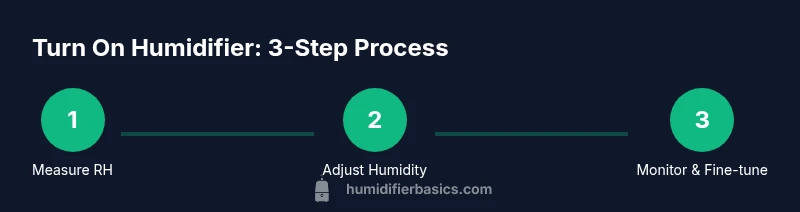
- Turning on the humidifier without measuring RH leads to over- or under-humidification. Always start with a hygrometer.
- Using high-capacity humidifiers in small rooms can overshoot targets; use a unit appropriate for room size.
- Running the device continuously without cleaning invites mold and bacteria growth; implement a regular cleaning cadence.
- Not considering airflow and ventilation can trap moisture in corners; ensure good cross-ventilation when needed.
- Using non-distilled water creates mineral dust that settles on furniture and electronics; prefer distilled water or demineralization cartridges.
- Placing the unit too close to walls or furniture can cause moisture damage and damp spots; maintain a clear radius of at least 2 feet.
Maintenance checklist and monitoring routine
Daily: check RH with your hygrometer and adjust settings as needed. Spend a few minutes wiping condensation from windows and surfaces if you notice damp spots. Weekly: clean the humidifier reservoir and base with mild soap and water, rinse thoroughly, and dry completely before re-use. Monthly: scrub mineral deposits with a solution of vinegar and water (follow manufacturer guidance) and replace filters if your model uses them. Seasonal: perform a thorough inspection, check seals and cords for wear, and replace worn components. Keep replacement parts on hand and keep the area around the humidifier clear of clutter to reduce fire risk and moisture damage. Finally, log RH readings and adjustments in a notebook or app so you can observe trends and adjust targets with changing seasons.
Tools & Materials
- digital hygrometer(Placed in central living area; avoid direct sun)
- humidifier(Choose according to room size; cool-mist or warm-mist)
- distilled water(Reduces mineral dust and buildup)
- soft microfiber cloth(For wiping condensation and spills)
- soft brush(For descaling and cleaning crevices)
- white vinegar (5%)(Descaling solution for mineral deposits)
- replacement filters(As needed per model)
- measuring cup(For accurate water filling)
- gloves(Optional for handling water and cleaning)
Steps
Estimated time: 1-2 weeks to dial in precise RH with ongoing daily monitoring
- 1
Assess current humidity
Place the hygrometer in a central living area and record the current RH for 24 hours to establish a baseline. Note any fluctuations during day and night, and identify rooms that consistently run drier or moister than others.
Tip: Use a daily 2-point check (morning and evening) to track trends. - 2
Choose the right humidifier type
Evaluate room size, noise tolerance, and safety needs. Cool-mist models are safer for households with kids and pets, while warm-mist units can raise humidity more quickly in very dry spaces.
Tip: Match unit capacity to room square footage for efficient humidity control. - 3
Place the unit strategically
Position the humidifier on a stable, level surface away from walls, furniture, and electronics. Maintain at least 2 feet of clearance to prevent moisture damage or condensation on surfaces.
Tip: Avoid corners where moisture could accumulate. - 4
Fill with water and set initial RH
Fill with distilled water and set the target RH roughly in the mid-range (40–50% to start). Avoid extremes until you confirm readings over 24–48 hours.
Tip: Starting conservative helps prevent overshoot. - 5
Run and monitor RH
Turn on the unit and monitor RH for 24–72 hours. If readings stay consistently below the target, increase the humidity slightly; if they stay high, decrease or improve ventilation.
Tip: Record RH readings in a simple log for trend analysis. - 6
Dial in seasonal adjustments
Seasonal changes can shift RH needs. In winter, you may raise the setting modestly; in damp summers, you may reduce or rely on ventilation rather than a humidifier.
Tip: Keep a seasonal chart and revisit monthly. - 7
Clean and maintain regularly
Follow a cleaning cycle: daily wipe-down, weekly reservoir cleaning, and monthly descaling if needed. Replace filters as recommended by the manufacturer.
Tip: Never skip cleaning; mold risks increase with neglect. - 8
Create a simple daily routine
Integrate RH checks into a daily routine, such as morning coffee time. Use a small checklist to ensure consistency across days and seasons.
Tip: A routine reduces cognitive load and improves outcomes.
FAQ
When should I turn on the humidifier?
Turn on the humidifier when indoor RH consistently falls below 40% or when you notice symptoms of dry air, such as dry skin, throat irritation, or nasal congestion. Monitor RH daily and adjust to a comfortable target around 40–60%.
Turn on the humidifier when RH is below 40% and you notice dry air symptoms; aim for 40 to 60%RH and adjust as needed.
What humidity level should I maintain?
A common healthy target is roughly 40–60% RH in heating seasons. Use a hygrometer to verify and adjust for your climate and comfort.
Aim for around 40 to 60% RH and check with a hygrometer regularly.
Can a humidifier cause mold?
Yes, over-humidification can promote mold growth. Keep RH within the target range and ensure good ventilation. Regular cleaning also reduces mold risk.
Over-humidification can lead to mold; keep RH in range and clean regularly.
Is warm-mist better than cool-mist?
Warm-mist humidifiers can add humidity more quickly but pose higher burn risks; cool-mist units are generally safer for households with children and pets. Choose based on safety needs and room size.
Warm mist heats water, safer is cool mist; pick based on safety and room size.
Are humidifiers good for pets?
Humidifiers can help pets when indoor air is dry, but maintain safety—keep units away from pet drains or where pets sleep to avoid spills and burns. Regular cleaning prevents odors that pets dislike.
Humidifiers can help pets when air is dry, just keep them out of pet areas and clean regularly.
How often should I clean my humidifier?
Clean the reservoir and base weekly, descale mineral deposits monthly (or per manufacturer), and replace filters as recommended. Regular cleaning prevents bacteria and mold growth.
Clean weekly, descale monthly, and replace filters as directed.
Watch Video
The Essentials
- Measure RH before turning the humidity dial.
- Aim for a safe RH range (40–60% in winter) and adjust gradually.
- Choose a properly sized unit and clean regularly.
- Monitor and log RH to track changes over seasons.
- Prioritize safety and ventilation to prevent mold.