How to Use a Humidifier and Prevent Mold
Practical steps to use a humidifier without mold. Humidity targets, cleaning routines, water quality, placement, and maintenance checklists for healthier indoor air.


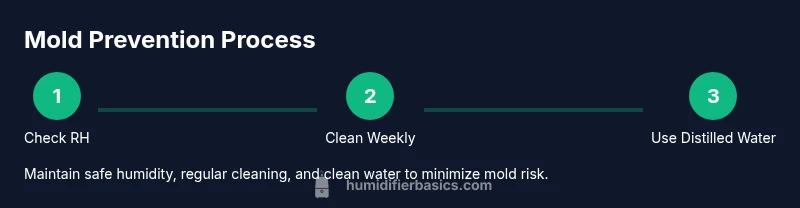
To use a humidifier without inviting mold, set humidity to a safe range, clean the unit regularly, and use clean water. Monitor moisture with a hygrometer, adjust settings as needed, and follow a simple maintenance routine. This guide shows practical steps to keep air comfortable and mold-free. By following these steps, you reduce the risk of damp-induced health issues while preserving humidity benefits.
How humidity and mold interact in indoor spaces
If you’re exploring how to use humidifier and not get mold, you’re not alone. Humidity is a powerful ally for comfort, but too much moisture can feed mold and mildew on walls, ceilings, and furniture. In this article, we explain how humidifiers can become mold sources if neglected and how to prevent that risk through basic design, placement, and routine care. Understanding these dynamics helps homeowners and renters maintain healthier air without sacrificing comfort.
Humidifiers add moisture to dry air, which can improve comfort and reduce irritation. However, in spaces with poor ventilation or ongoing leaks, excess moisture creates a hospitable environment for mold spores. The goal is not total dryness but balanced humidity, regular cleaning, and mindful usage. Humidity and mold are closely connected; controlling one helps control the other. According to HumidifierBasics, consistent maintenance and monitoring are your best defense against mold growth while enjoying the benefits of a properly humidified home.
The humidity anchor: keep RH in a mold-friendly range
Maintaining relative humidity (RH) within a moderate band is one of the most effective strategies to minimize mold risk. In many homes, an RH target around 30-50% supports comfort while limiting mold-friendly conditions. In drier climates, you may adjust upward slightly in winter, but never exceed 60% for extended periods. Use a hygrometer to verify RH in the room where the humidifier operates, and avoid running the device in closed spaces with poor airflow. This daily check helps balance comfort with mold prevention and keeps your air healthier over the long term. Humidifier usage becomes safer when the readings consistently sit within the target range; small adjustments based on season and occupancy are normal. HumidifierBasics analysis shows a strong link between stable RH levels and reduced mold risk in typical living spaces.
Clean water, clean start: water quality matters
Water quality is a foundational choice when you want to prevent mold. Distilled or demineralized water minimizes mineral residue that can harbor biofilm and mold colonies in the tank and tubing. Tap water often carries minerals that leave scale deposits, which can become breeding grounds for microbes. Regularly emptying and rinsing the reservoir with clean water helps remove any settled debris and prevents buildup. If you must use tap water, plan more frequent cleanings and consider a descaler solution recommended by the manufacturer. Cleaner water supports safer humidification and reduces cleaning workload over time.
Regular cleaning rituals that kill mold before it starts
Mold prevention hinges on a disciplined cleaning routine. Establish a daily quick rinse of the tank with clean water and a thorough wipe-down of all interior surfaces weekly. For deeper cleaning, use a mild solution of vinegar and water to dislodge mineral buildup and biofilm, then rinse until no odor remains. Never mix harsh cleaners with water in the reservoir, and avoid bleach unless explicitly approved by the manufacturer. A clean humidifier emits cleaner moisture and lowers the chance of mold spores circulating in your living space. Consistency is more important than intensity when it comes to maintenance.
Location and airflow: where to place your humidifier
Placement matters as much as maintenance. Position the humidifier on a hard, water-resistant surface away from walls, curtains, and furnishings that could absorb moisture. Good airflow around the unit reduces localized humidity pockets that mold loves. Do not place the device on carpet or near electronics that could be damaged by moisture. If possible, place the unit in a central area with doors/vents that allow air to circulate. HumidifierBasics emphasizes that thoughtful placement reduces damp spots and improves overall air quality.
Maintenance schedule you can actually stick to
Create a simple calendar that marks daily rinsing, weekly deep cleaning, and monthly filter checks. Always replace filters per the manufacturer’s guidance and keep spare parts handy. A consistent routine minimizes allergy symptoms and health risks associated with mold exposure. If you notice a musty odor or visible residue, pause usage and re-clean immediately. Document any issues you encounter and adjust your schedule accordingly. A predictable routine is the most reliable mold-prevention tactic.
What features help prevent mold: design choices and accessories
Choose humidifiers that are easy to disassemble, have accessible reservoirs, and include antimicrobial coatings where appropriate. Features such as auto-shutoff when the reservoir is empty, whisper-quiet operation, and clear indicator lights for cleaning/maintenance simplify safe usage. Some units offer built-in humidity sensors and compatible apps for remote monitoring, which can help maintain target RH without over-humidifying. After purchase, follow the user manual to optimize performance and minimize mold risk.
Troubleshooting mold signs and quick fixes
If you detect a musty smell, visible mold growth, or persistent deposits, stop using the unit and inspect all parts for contamination. Clean the tank, base, and any removable components thoroughly before reuse. For persistent issues, consider replacing old parts or consulting the manufacturer’s support resources. Improving room ventilation during humidifier use can also help, especially in poorly ventilated spaces. Early action is key to preventing mold from taking hold in your home.
Real-world setup: starter plan for a typical home
Begin with a single, well-ventilated room such as a living area or bedroom. Place the humidifier on a sturdy, non-porous surface and monitor RH with a dedicated hygrometer. Establish a maintenance routine that includes weekly cleaning and monthly filter checks. Keep distilled water on hand and replace parts per the schedule. After a few weeks, assess whether you need adjustments to RH targets or location to optimize comfort and minimize mold risk.
Tools & Materials
- Humidifier(Choose a model with easy disassembly and accessible reservoir)
- Hygrometer / RH monitor(Place in the main living area or bedroom)
- Distilled or demineralized water(Reduces mineral buildup and biofilm risk)
- White vinegar (5%) or manufacturer-recommended cleaner(For weekly reservoir cleaning)
- Soft cloths, sponge, and small brush(For cleaning interior surfaces and corners)
- Gloves and safety glasses(Wear when using cleaners or handling mold-impacted parts)
- Replacement filters (if applicable)(Follow manufacturer replacement schedule)
Steps
Estimated time: 60-90 minutes
- 1
Position the humidifier properly
Place the unit on a hard, water-resistant surface. Ensure there’s at least a few inches of clearance around the unit and keep it away from walls, curtains, and fabric to prevent moisture saturation. This reduces mold-friendly damp spots.
Tip: Stable, elevated placement improves air distribution and makes cleaning easier. - 2
Fill with clean water and set humidity
Use distilled water whenever possible. Fill to the recommended maximum and set the output to a moderate mist. Configure the unit to target a RH in the safe range (30-50%), adjusting for season and room size.
Tip: Keep a hygrometer in the same room to verify RH consistently. - 3
Monitor and adjust humidity
Run the humidifier until the room reaches the target RH, then monitor for stability for 15-30 minutes. Avoid continuous operation if the space is well-ventilated; rotate usage with rooms to prevent hotspots.
Tip: Use intermittent targets if you notice condensation on windows or surfaces. - 4
Daily rinse and dry
Empty the tank daily and rinse with clean water. Wipe interior surfaces with a soft cloth and allow all parts to dry completely before reassembly. Moisture left in the reservoir fosters mold growth.
Tip: Do not leave water in the tank overnight in humid climates. - 5
Weekly deep clean
Soak removable parts in a vinegar solution (1 part vinegar to 3 parts water) for 15-20 minutes. Rinse thoroughly and air-dry before reassembling. This prevents mineral buildup and biofilm that mold can cling to.
Tip: Avoid bleach unless recommended by the manufacturer; it can degrade seals. - 6
Water quality and filters
Switch to distilled water for daily use. Check and replace filters per the manufacturer’s schedule or when you notice a drop in output. Mineral deposits from tap water can harbor mold.
Tip: Backup distilled water in a dedicated bottle to simplify refills. - 7
Power down and storage
If you’re not using the humidifier, empty and dry all parts completely. Store in a dry, cool place to prevent mold growth during downtime.
Tip: Store with the lid slightly ajar to keep air circulating and prevent musty odors.
FAQ
What humidity level should I maintain to prevent mold?
Aim for a moderate indoor RH, typically around 30-50%. Use a hygrometer to verify RH and adjust as needed based on climate and season.
Aim for about thirty to fifty percent relative humidity, checked with a hygrometer.
How often should I clean a humidifier to prevent mold?
Clean the tank weekly and rinse daily. If the space is damp or used heavily, clean more often.
Clean weekly and rinse daily to prevent mold buildup.
Can mold grow inside the humidifier tank?
Yes, neglecting regular cleaning can allow mold and bacteria to grow in the tank and nozzle.
Yes, mold can grow if you don't clean the tank regularly.
Is distilled water necessary?
Distilled or demineralized water reduces mineral buildup that mold can cling to. Tap water can contribute to deposits.
Distilled water helps minimize mineral deposits and mold-friendly residues.
What else can help keep mold away?
Use proper humidity control, keep surfaces dry after use, and replace filters as recommended. Ventilate rooms where humidifiers are used.
Control humidity, dry surfaces, and replace filters per schedule.
What health risks are associated with mold in humidifiers?
Mold exposure can cause coughing, allergies, or wheezing in sensitive individuals. Reducing mold risk improves air quality.
Mold can irritate airways; reducing it helps with allergies and asthma.
Watch Video
The Essentials
- Monitor humidity to stay within a safe range.
- Clean the humidifier regularly to prevent mold growth.
- Use distilled water to minimize mineral deposits.
- Place the unit on a hard surface away from soft furnishings.
- Follow manufacturer guidelines for cleaning and replacement parts.