Humidifier for Cat Cold: Safe Practices and Care
Learn practical, veterinarian-backed guidance on using a humidifier for a cat cold. Safety tips, humidity targets, maintenance, and when to call a vet.


Using a humidifier for cat cold can ease nasal congestion, coughing, and dry noses when used safely. This guide shows how to choose a pet-safe unit, set moderate humidity, position the device away from the cat’s sleeping area, and monitor for symptoms, water quality, and mold risks. You’ll also learn when to pause use and how to clean the unit for safety.
Why a Humidifier Helps a Cat With a Cold
Many cat owners notice that dry air can worsen nasal congestion, coughing, and irritated throats during a cold. A humidifier adds moisture to the air, which can soften dried nasal passages, ease coughing, and help your cat breathe more comfortably while the cold runs its course. However, humidifiers are supportive tools, not cures. They work best when used as part of a broader care plan that includes hydration, normal veterinary advice, and monitoring for red flags.
According to HumidifierBasics, maintaining moderate humidity in a living space often supports respiratory comfort for households with pets. The HumidifierBasics team found that cats tend to respond better when air moisture is steady rather than fluctuating wildly. When used properly, a humidifier can reduce irritation of the lungs and nasal passages that contributes to coughing and sneezing. Remember: every cat is different, and signs of trouble still require veterinary attention. In the following sections we cover how to choose a unit, how to position it safely, and how to monitor your cat over the course of a cold.
Safety Considerations and Humidity Targets
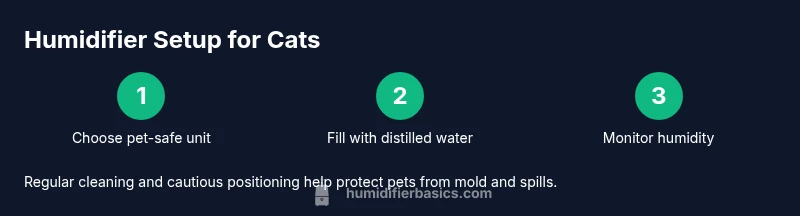
Safety hinges on avoiding mold, burns, and mineral dust. First, choose a pet-safe humidifier with a sealed water tank and an easy cleaning process. Avoid hot-water or steam models around curious cats; the risk of burns is real if a cat knocks over or licks water. Distilled water is preferred to reduce mineral dust that can irritate sensitive airways and fur. If you can't access distilled water, use clean tap water and commit to regular cleaning to minimize residue.
A hygrometer helps you keep humidity within a comfortable range. The idea is to stay in a moderate zone that supports breathing without encouraging mold growth or condensation on walls and windows. If you notice a musty smell, visible condensation, or damp spots, reduce moisture immediately and ventilate the room. Short daily sessions may be safer than leaving a humidifier running constantly while your cat sleeps. Always supervise initial use to observe how your cat responds.
Choosing and Positioning the Right Humidifier for a Cat
Look for a unit designed for pets, with a sealed water tank, removable parts that are easy to clean, and a reasonable noise level. Ultrasonic and evaporative cool-mist models are common, but you should avoid models that spray mist directly toward a cat's face. Place the humidifier in a central area of the room, not directly on the floor and away from the cat’s bed or feeding area. Elevating the unit by a few inches can reduce spill risk and improve mist distribution. Use distilled water or filtered water if possible, and empty and dry the tank daily when not in use. If you have multiple pets, choose a unit with a wide mist dispersion option to avoid creating damp spots under a single corner of the room.
Daily Setup, Use, and Cleaning Routines
Before turning on the unit, remove any cat toys or bedding from the spray path and check cords for chew hazards. Fill the tank with water and ensure there are no leaks. Run short sessions during times your cat is resting, and use a hygrometer to monitor humidity in real time. After each use, empty the tank, rinse, and dry to prevent bacterial growth. Clean the humidifier weekly with a vinegar solution or a recommended descaler, paying special attention to any mineral deposits around the nozzle. Replace any filters according to the manufacturer's schedule. Keep the room ventilated to avoid stale air and ensure the pet has a dry, comfortable space when the humidifier is off. If you notice any coughing or wheezing worsening, pause use and consult your vet.
Common Mistakes and Red Flags
Common mistakes include over-humidifying, using the wrong type of device near pets, and neglecting cleaning. Avoid placing the humidifier directly next to the cat’s sleeping area or food bowls, and never let standing water sit in the tank. Mineral dust from mineral-rich water can irritate lungs; using distilled or demineralized water minimizes this risk. If you notice a moldy odor, visible mold growth, or unfamiliar discharge from your cat, stop using the humidifier and contact a veterinarian. Also watch for symptoms such as continued coughing, labored breathing, or lethargy; these may indicate a more serious issue requiring prompt veterinary care.
Authority sources
- https://www.avma.org/resources/petcare/cats
- https://www.merckvetmanual.com/
- https://www.petmd.com/
Tools & Materials
- Humidifier (pet-safe, cool-mist or ultrasonic)(Sealed water tank; easy cleaning; auto shut-off preferred.)
- Distilled water(Reduces mineral dust; regular refilling.)
- Hygrometer(Helps monitor humidity in real time.)
- Cleaning brush(For mineral buildup and nozzle cleaning.)
- White vinegar (5% solution) or descaler(Descale weekly to prevent mineral deposits.)
- Soft towels or cloth(For drying tank and spills.)
- Vet contact information(Keep handy for urgent advice.)
- Optional: Pet-safe air purifier(Helps reduce airborne irritants when used with humidifier.)
Steps
Estimated time: Total time: 20-60 minutes (initial setup); ongoing daily use varies by cat's symptoms.
- 1
Choose a pet-safe humidifier
Select a humidifier designed for households with pets. Prioritize models with a sealed tank, anti-mold design, and easy disassembly for cleaning. Avoid hot-water or steam units in homes with cats to reduce burn risk.
Tip: Check for auto shut-off and rounded edges to minimize accidents. - 2
Fill and position the unit
Fill the reservoir with distilled water and place the unit on a stable surface in a central room. Keep it off the cat’s bed area and away from water bowls to prevent spills or splashing.
Tip: Elevate the unit a few inches to improve mist distribution without blowing directly on the cat. - 3
Set a comfortable humidity baseline
Use a hygrometer to determine a moderate indoor humidity level. Maintain steady moisture without saturating the room, which can encourage mold and dampness.
Tip: Avoid extremes; gradual adjustments help you observe how your cat responds. - 4
Run short, supervised sessions
Start with short sessions during rest periods. Monitor the cat for coughing, sneezing, or breathing changes while the unit runs.
Tip: If you see distress, turn off the unit immediately and consult a vet. - 5
Clean after use and maintain the unit
Drain and rinse the tank after each use if possible. Clean the unit weekly with vinegar or descaler and dry all parts before storing.
Tip: Always dry the reservoir to prevent microbial growth. - 6
Know when to seek veterinary care
If coughing worsens, breathing becomes labored, or there is persistent nasal discharge, contact your veterinarian promptly. Humidity is supportive, not a substitute for medical care.
Tip: Keep a vet contact handy and document symptom changes.
FAQ
Can a humidifier cure my cat's cold?
No. A humidifier can ease symptoms like congestion and dry nasal passages, but it does not cure an underlying infection. Use it as a supportive measure alongside veterinary guidance.
No, it helps with symptoms but doesn’t cure the illness; seek vet care if symptoms persist.
What humidity level is safe for homes with cats?
Aim for moderate indoor humidity and monitor with a hygrometer. Avoid extremes that promote mold or dampness, which can worsen respiratory issues.
Keep humidity moderate and check with a hygrometer.
Which type of humidifier is best around cats?
Cool-mist or ultrasonic models are generally better for households with pets due to lower burn risk and easier cleaning. Ensure the unit is pet-safe and easy to disassemble.
Cool-mist models are usually the best around pets.
Is distilled water necessary for pet safety?
Distilled water reduces mineral dust that can irritate airways, but clean water is acceptable if you clean the unit regularly to prevent residue.
Distilled water helps reduce mineral dust, but regular cleaning matters most.
What if my cat's symptoms worsen?
Stop using the humidifier and contact your veterinarian promptly. Worsening coughing, fast breathing, or lethargy require professional assessment.
If symptoms get worse, call your vet right away.
How often should I clean the humidifier around pets?
Clean at least weekly, with daily rinsing if used heavily. Descale mineral buildup regularly to keep air clean for your cat.
Clean weekly to prevent mold and keep the air clean.
Watch Video
The Essentials
- Use a pet-safe humidifier to support breathing during a cat cold.
- Maintain moderate humidity with a hygrometer to avoid mold growth.
- Position and clean the unit properly to minimize hazards.
- Monitor your cat for symptom changes and involve a vet if needed.
- Humidity is supportive care, not a cure for illness.