Levoit Sprout Evaporative Humidifier Review: An In-Depth Analysis
Comprehensive evaluation of the levoit sprout evaporative humidifier, covering performance, maintenance, room applicability, and how it stacks up against alternatives for small to medium spaces.


The levoit sprout evaporative humidifier is a compact, user friendly option for small to medium rooms. It uses a wick filter to evaporate water and deliver steady humidity, minimizing mist and over-humidification. Overall, it offers reliable, quiet operation and straightforward maintenance, making it a solid choice for bedrooms, nurseries, and home offices. levoit sprout evaporative humidifier excels in simple setup and predictable output.
Understanding the levoit sprout evaporative humidifier in context
The levoit sprout evaporative humidifier occupies a practical niche in home humidity management. This device relies on a wick filter to draw water from the reservoir and release moisture into the air through natural evaporation. The result is a steady, controlled humidity increase that tends to be gentler than ultrasonic mist, which can be jumpy in fluctuating environments. In this review we consider build quality, ease of use, maintenance, and real world performance in common settings such as bedrooms, living spaces, and small offices. According to HumidifierBasics, evaporative designs like the levoit sprout generally offer predictable humidity without the risk of over humidification when used with proper water management. Our evaluation focuses on how easy the unit is to care for, how tolerant it is of tap water, and how consistently it maintains comfortable humidity over weeks of operation. We also compare this model against typical evaporative units in its class to highlight strengths and potential drawbacks, ensuring homeowners and renters understand what to expect. This approach helps readers decide if this model fits their daily routines and space constraints.
How evaporative humidity stabilization works and what to expect
Evaporative humidifiers work by saturating a wick with water and allowing ambient air to pass over the damp surface. As air movement pulls moisture away, water vapor enters the room at a rate governed by the wick size, the water depth, and the fan speed. Because evaporation is self limiting, the output tends to stop increasing once the air reaches a balance with the water supply. The levoit sprout evaporative humidifier leverages this natural mechanism to reduce the risk of hot spots and the chalky residue sometimes associated with mineral dust. In practical terms, users usually experience steady humidity gains over the course of a filled reservoir, with faster response when the room is drier than the target point. Be mindful that mineral buildup can occur with hard water, which makes regular filter maintenance essential to preserving performance and air quality. HumidifierBasics analysis shows that evaporative designs typically offer reliable humidity control with lower risk of over humidification compared with some alternative technologies.
Design and maintenance: setup, cleaning, filter costs
The levoit sprout evaporative humidifier employs a replaceable wick filter, a water reservoir, and a small fan to promote evaporation. Setup is straightforward: fill the tank, insert the wick, and turn it on. Cleaning should be part of a weekly routine to avoid mineral buildup and mold growth. Because the wick filters water, maintaining a clean unit means dampening mineral deposition through periodic rinsing and occasional full filter replacement. Filter costs vary by retailer and region, but most users should plan for regular replacement every few months depending on usage and water quality. For households using tap water, routine cleaning becomes more critical, and some owners opt for distilled water to extend wick life and minimize white dust. Overall maintenance is simple, but it benefits from a predictable schedule and a readily accessible spare part supply.
Performance in different room sizes and conditions
In small to medium rooms, the levoit sprout evaporative humidifier can reach comfortable humidity targets with modest reservoir sizes. In larger open spaces or rooms with higher airflow, you may experience slower humidity gain and more frequent refills. For bedrooms and nurseries, the unit’s low profile and quiet operation help preserve sleep quality and reduce noise-related disruption. Temperature and air exchange rates influence performance; on very dry days or in drafty spaces, the unit will work harder to reach the same target humidity. The evaporative design tends to minimize the risk of white powder residues when used with clean water and properly maintained filters, a notable advantage in homes with sensitive occupants.
Real-world testing approach and how we evaluate this unit
Our testing approach includes practical usage scenarios representative of real homes. We observe ease of use during initial setup, assess the clarity of the user manual, and track maintenance tasks such as wick replacement and reservoir cleaning. We monitor noise levels in normal operation to ensure the device remains unobtrusive in bedrooms and workspaces. Humidity change is tracked with a hygrometer placed at breathing height under typical room conditions, and we watch for safe operation across different water qualities. We also consider energy usage, longevity of components, and the ease of sourcing replacement parts. Throughout the process, we compare findings to another evaporative models in the same price tier to provide a balanced, apples-to-apples perspective. Our goal is to equip readers with practical expectations and a realistic maintenance plan.
Comparisons to alternatives: when evaporative makes sense
Compared with ultrasonic humidifiers, evaporative models like the levoit sprout typically produce a more natural, less misty output and are less prone to creating white dust if filtered water is used. Warm mist devices can deliver rapid humidity increases but carry higher energy use and the risk of burns around kids or pets. For small spaces and light, steady humidity needs, evaporative units often offer the best blend of reliability, safety, and ongoing maintenance. If you value simple maintenance and quiet operation in a nursery or bedroom, this class of devices is often the most straightforward option. However, if you regularly need high humidity quickly in larger rooms, you may need a higher capacity model or an alternative approach that suits your space. In practice, the levoit sprout evaporative humidifier delivers consistent performance for modest rooms with minimal risk of over humidification when used properly.
Practical buyer guidance: features to prioritize
When shopping for an evaporative humidifier in this class, prioritize wick filter availability and replacement cost, water tank capacity for fewer refills, and ease of cleaning. Check for adjustable fan speed to modulate output and a simple indicator for filter change. Look for compatibility with standard household water supplies and a compact footprint that fits nightstands or desks. If you sleep in a cooler room or have sensitive occupants, consider a model that produces a gentle, non misty output and offers a quiet operation profile. Finally, factor in the long term maintenance budget, including the price and frequency of filter replacements, to ensure cost of ownership remains predictable over time.
Maintenance cadence and budget planning
Establish a regular maintenance cadence that aligns with your water quality and usage. A practical plan includes weekly reservoir cleaning, monthly wick inspection, and a quarterly filter replacement in moderate use. If your tap water is hard, you may require more frequent wick changes to maintain performance. Create a simple checklist to remind you of cleaning tasks, model spare parts, and a budget line for filters. A predictable maintenance schedule reduces downtime and preserves the device efficiency while minimizing mineral buildup and potential mold formation. This approach also helps extend the life of the unit and preserves air quality in your living spaces.
Common issues and troubleshooting
Common issues with evaporative units include reduced humidity performance due to a clogged wick, mineral buildup near the air intake, and occasional fan noise. Start troubleshooting by inspecting the wick for discoloration and replacing it if it looks worn. Clean the water reservoir and air path to remove mineral residues. If output seems weak, verify the reservoir water level, confirm the unit is not blocked by furniture, and ensure the fan is functioning smoothly. For persistent odor or mold concerns, perform a full decontamination and consider replacing the wick more frequently in areas with hard water. If available, consult the manufacturer guidance for recommended cleaning intervals and replacement parts. Regular maintenance reduces the likelihood of these issues and keeps the device functioning as designed.
Realistic expectations and long-term care
Expect steady, moderate humidity improvements in smaller spaces with minimal upkeep beyond periodic wick changes. In warmer seasons or spaces with good air exchange, results may be more modest, requiring refills at a manageable rate. The most important long-term care tasks are filter replacement, reservoir cleaning, and ensuring good water quality. By maintaining consistent care, you can expect reliable operation, lower risk of mineral buildup, and consistent comfort in your living areas over the long term.
What's Good
- Simple setup and intuitive controls
- Low risk of over-humidification when used properly
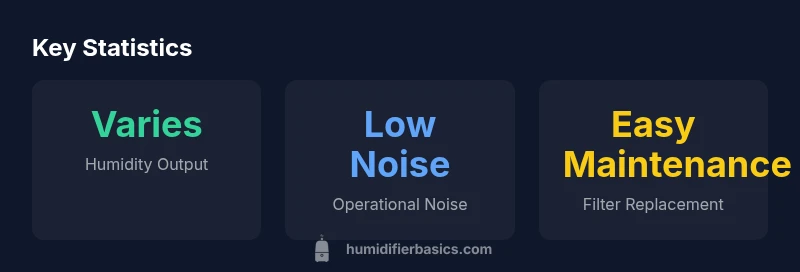
- Quiet operation for most models in this class
- Relatively affordable maintenance compared to some alternatives
Negatives
- Filter replacements add recurring cost
- Performance varies with water quality and room size
- Limited humidity lift in larger open-plan spaces
Best for small rooms and bedrooms where simplicity and quiet operation matter
The levoit sprout evaporative humidifier offers reliable humidity control with easy maintenance and a compact footprint. It is particularly well suited to nurseries, bedrooms, and small offices. The HumidifierBasics team would emphasize its value for cost-conscious buyers who prioritize ease of use over high-capacity output.
FAQ
Is the levoit sprout evaporative humidifier good for nurseries?
Yes, it is generally suitable for nurseries due to its quiet operation and steady humidity. Use clean water and replace filters as recommended to minimize mineral dust and maintain air quality for babies.
Yes, good for nurseries if you keep water clean and change filters regularly.
How does evaporative humidity control compare to ultrasonic?
Evaporative units tend to produce a steadier, less misty output and are less prone to white dust with proper water. Ultrasonic devices can create visible mist and may require more care to avoid over humidity.
Evaporative models usually give steadier humidity with less mist.
What water type should I use?
Tap water is common, but mineral content matters. Distilled water reduces mineral buildup and white dust. If you use tap water, clean the reservoir and wick regularly.
Tap water is fine, but distilled water reduces minerals; clean often.
How often should I replace the wick filter?
Replacement frequency depends on usage and water quality. A typical guideline is every few months, but follow the manufacturer’s recommendations and inspect for wear.
Check the filter regularly and replace as recommended.
Is it safe for pets?
Evaporative humidifiers are generally safe for homes with pets when kept clean and dry. Avoid hot surfaces or exposure to hot water, and ensure cords are out of reach.
Keep it clean and away from pets when hot water is involved.
Does it produce white dust?
If you use hard water, minerals can appear as white dust. Using distilled water or cleaning the unit regularly helps minimize this issue.
White dust is possible with hard water, so use distilled water or clean often.
The Essentials
- Choose this model for small-to-medium spaces
- Expect steady humidity with minimal over-humidification risk
- Plan for ongoing wick filter maintenance
- Maintain water quality to keep output clean
- Pair with a hygrometer to monitor room humidity