How to Use Humidifier for Baby: Safe, Practical Guide
Learn how to safely use a humidifier for baby, maintain ideal nursery humidity, and prevent mold and mineral dust with a practical how-to guide from HumidifierBasics.


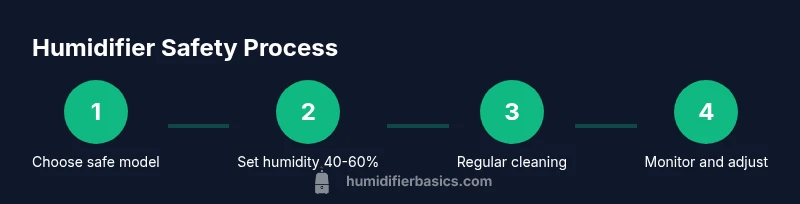
By following a safety-first routine, you can use a humidifier for a baby to boost comfort and reduce dry skin and congestion. Choose a cool-mist model, place it on a stable surface away from the crib, and fill with distilled water. Maintain nursery humidity around 40–60%, and clean the unit weekly to prevent mold and mineral dust.
Understanding why humidity matters for babies
Air moisture influences comfort, sleep quality, and respiratory health in the nursery. For babies, the airway and skin are still developing, so dry air can irritate noses, throats, and skin, and it can worsen coughs or congestion. Proper humidity helps mucous membranes stay moist, reduces nasal irritation, and can support easier breathing and better sleep. In practice, a balanced level helps reduce dryness, cracking, and static that can upset a restless baby. The HumidifierBasics team found that many common infant discomforts are linked to low indoor humidity, including dry skin, coughing, and irritated nasal passages. By understanding how to manage humidity in the baby’s room, caregivers can reduce these symptoms without medications, while avoiding overly damp environments that promote mold growth. It’s not about making the room humid all day; it’s about maintaining a level that matches outdoor air and the baby’s needs. This means using a humidifier to top up moisture when the air is dry (often in winter or in heated spaces), while watching for condensation on walls or windows. When used correctly, a humidifier complements cleaning, ventilation, and allergen control to create a healthier nursery atmosphere. Consistency matters: frequent, small adjustments are usually more effective than infrequent, large changes.
Ideal humidity range for baby rooms
Keeping the nursery humidity within a safe range is one of the most important steps in how to use humidifier for baby. The target is typically about 40-60% relative humidity, with 45-55% often providing the most comfort and least risk of condensation. Relative humidity in this range helps keep nasal passages moisturized, reduces the risk of dried skin, and minimizes the chance of mold growth on walls and bedding. Outdoor weather, heating systems, and air exchange all influence indoor humidity, so regular monitoring is essential. If the air feels dry, a mild increase with a humidifier can help; if the air is damp, reduce output or turn the device off for a day. For babies, it’s especially important to avoid consistently high humidity, which can encourage dust mites and mold, or very low humidity, which can worsen congestion. If you own a room humidistat, set it to maintain about 40-60% RH and adjust for comfort. For parents, using a simple hygrometer helps track levels without overcorrecting. Humidity should support comfortable breathing, quiet sleeping, and healthy skin. In addition to humidity, remember to keep the nursery clean, well-ventilated, and free from other moisture sources that can raise humidity unexpectedly, such as drying clothes in the room.
How to choose a humidifier for baby: features that matter
When evaluating a humidifier for baby care, safety and simplicity take priority. If you’re asking how to use humidifier for baby, start with models that emphasize cool mist output, automatic shutoff, and a sealed water reservoir to minimize spills. Look for a built-in humidistat or a way to pair with a separate humidity monitor so you can maintain the 40–60% target without guesswork. Noise matters for sleep, so choose a unit with quiet operation (look for low decibel ratings) and a compact footprint that fits a nursery surface away from the crib. Materials matter too: seek BPA-free plastics and metal bases that resist corrosion, and ensure any filters are easy to replace and clean. If your baby has eczema or sensitive skin, consider units designed to reduce mineral dust by using distilled water and frequent cleaning. We also recommend units with slip-resistant bases and cords that reach an accessible outlet, but keep cords away from curious hands. Finally, check your model’s cleaning requirements and warranty. In short, the best humidifier for a baby balances safety, ease of use, quiet operation, and simple maintenance, so you can sustain a healthy humidity level with minimal effort.
Safe placement and setup basics
Placement is as important as the device itself. Set the humidifier on a stable, water-resistant surface at least 3 feet away from the crib, a distance that minimizes direct exposure to moisture but still influences room humidity. Avoid placing units on carpet, near walls, or in reach of curious toddlers or pets who might topple it. If possible, position the unit on a raised surface like a dresser or a nightstand with a spill tray underneath. Ensure the tank cap is tightly closed and the power cord is routed safely to minimize tripping hazards. Use distilled or demineralized water to reduce mineral dust that can settle on baby gear and skin. Do not add essential oils, fragrances, or additives unless the manufacturer explicitly allows them; many baby units are not designed for oils and could irritate the lungs. Finally, consider room airflow: keep doors and windows as usual, and ensure the baby’s sleeping area isn’t in direct stream of mist. These precautions help ensure a gentle, controlled humidity boost without introducing new hazards.
Daily use and cleaning cadence
A consistent daily routine makes a big difference in how to use humidifier for baby safely. Each day, check that the tank is clean and filled with distilled water. Inspect the mist output to ensure it’s gentle and even, not pooling on surfaces. If you notice white residue on the unit or nearby surfaces, switch to distilled water and wipe surfaces with a damp cloth. Do not allow water to sit in the tank for extended periods; empty and dry the tank if you won’t use it for a day or more. At night, turn the humidity down to a comfortable level to encourage restful sleep. If your climate is dry, a brief run during the night can help; if the air is already humid, reduce output or pause use. Regular supervision is essential: never let the unit run unattended in a child’s room for long periods, especially when the baby is sleeping. The goal is a steady, baby-friendly humidity level without dampness or condensation. Build a weekly routine: empty, rinse, and wipe the tank, clean the base and any filters, and inspect hoses and seals for leaks.
Cleaning and maintenance routine
Weekly maintenance keeps your baby’s humidifier safe and efficient. Disassemble as instructed by the manufacturer and wash the tank with warm water and a mild mixture of white vinegar and water (1:1) to descale mineral deposits. Rinse thoroughly to remove any vinegar scent. Wipe the exterior with a damp cloth and inspect the base for any mold or residue. Use a brush to remove scale from tight crevices. Replace the filter if your unit uses one, following the manufacturer’s schedule. If you don’t have a dedicated filter, consider a model with easy-clean internals. After cleaning, let all parts dry completely before reassembly. If you notice persistent odors, repeat cleaning and consider replacing internal components. Store the unit without water in a dry place during periods of non-use. Always dry hands before handling the tank to avoid slips. Keeping up with this cadence minimizes mold growth and mineral buildup, ensuring the unit remains safe for a baby’s room.
Troubleshooting common issues
If you notice white dust on surfaces near the humidifier, switch to distilled water and clean the tank and base. If the mist looks inconsistent, check the water level, ensure the tank cap is secure, and inspect for clogged filters. If the unit shuts off unexpectedly, confirm that the tank isn’t empty and that there’s no overheating; some units have safeguards that require cooling before restart. Persistent odors or unusual sounds may indicate mold growth or mineral buildup; perform a deep clean and replace any worn parts. If the air still feels clammy or the baby seems congested, reassess humidity with a hygrometer; it may be necessary to reduce output or discontinue use for a day. When in doubt, refer to the manufacturer’s manual for troubleshooting steps and consult a pediatrician if respiratory symptoms persist.
Special considerations for babies with respiratory issues or allergies
Some babies are more sensitive to air quality. If your child has asthma, bronchiolitis, or allergies, align humidifier use with pediatric guidance. Maintaining a stable, moderate humidity level helps reduce nasal irritation and coughing, but excessive moisture can worsen mold or dust mite exposure. In these cases, pair humidifier use with other air-quality measures: regular cleaning, dust control, and proper ventilation. For babies with eczema, dry air can aggravate skin; using distilled water and gentle cleaning practices can help minimize skin irritation. Always observe your baby’s comfort: if you notice increased coughing, coughing or wheeze after starting humidifier use, pause operation and seek medical advice. Consider investing in a humidifier with a built-in humidistat and automatic shutoff, and use a hygrometer to monitor RH. This approach provides a cautious, evidence-based way to leverage humidity to support your child’s breathing and comfort.
Quick safety checklist before bedtime
- Check humidity stays within 40-60% with a hygrometer.
- Confirm the unit is not directed at the crib and is placed on a stable surface.
- Use distilled water and empty, rinse, and dry the tank daily if you’re not running it.
- Inspect for condensation or dampness on walls or furniture.
- Turn the humidifier off if your baby shows signs of respiratory distress or if you smell mold.
Tools & Materials
- Humidifier (cool-mist preferred for babies)(Place on a stable surface away from crib; ensure auto shutoff)
- Distilled or demineralized water(Minimize mineral dust and buildup)
- Soft cloth for wiping(Daily wipe of surfaces around the unit)
- Cleaning brush(Used for weekly descaling and crevices)
- Vinegar (5% or 1:1 with water) for descaling(Descale mineral deposits; rinse thoroughly)
- Digital hygrometer (optional)(Helps maintain 40-60% RH)
- Replacement filters (if applicable)(Follow manufacturer schedule)
- Surge protector or power strip(Safe outlet with proper grounding)
Steps
Estimated time: Total time: 25-35 minutes
- 1
Choose a safe placement for the humidifier
Select a stable, water-resistant surface at least 3 feet away from the crib and away from walls. This reduces direct exposure to moisture and keeps the mist from blowing directly onto the baby.
Tip: Use a tray or water-resistant mat to catch any spills and prevent slips. - 2
Fill with distilled water
Remove the tank and fill it with distilled or demineralized water to minimize mineral dust that can settle on baby gear and skin.
Tip: Do not mix in essential oils unless the manufacturer explicitly allows it. - 3
Set safe output and humidity target
Power on, select cool-mist mode if available, and set a target RH of 40-60% using the built-in humidistat or a separate hygrometer.
Tip: If the unit lacks a humidistat, place a hygrometer nearby to guide adjustments. - 4
Run and monitor
Run in moderate bursts to avoid over-humidifying; check mist, water level, and room feel every few hours.
Tip: Never leave the unit running unattended for long when a baby is in the room. - 5
Clean weekly
Disassemble according to the manual and clean with a vinegar solution, rinse thoroughly, and dry before reassembly.
Tip: Always unplug before disassembly and drying. - 6
Maintenance and storage
Replace filters as recommended and store the unit dry when not in use for extended periods.
Tip: Keep the unit out of reach of children when stored.
FAQ
Is it safe to use a humidifier in a baby's room at night?
Yes, it can be safe when humidity is controlled and the unit is placed correctly. Use a cool-mist model, set humidity to about 40-60%, and monitor the baby’s comfort. Do not leave the device running unsupervised for long periods.
Yes. Use a cool-mist humidifier with a humidity control and monitor your baby for comfort while sleeping.
What humidity level is best for a baby?
Aim for about 40-60% relative humidity. This range supports comfortable breathing and reduces irritation without promoting mold. Adjust to comfort and monitor the room.
Aim for 40-60% RH and adjust for your baby’s comfort.
Cool-mist vs warm-mist: which is safer for babies?
Cool-mist humidifiers are generally safer for babies because there’s no hot water or steam risk. Warm-mist units can burn, so use caution and preferably avoid them in nursery environments for infants.
Cool-mist units are usually safer for babies due to the burn risk with warm-mist units.
How often should I clean and replace parts?
Clean the tank and base at least weekly and replace filters per the manufacturer’s schedule. Descale mineral buildup with a vinegar solution if you notice deposits.
Clean weekly and replace filters as advised by the manufacturer; descale as needed.
Can humidifiers help with allergies or congestion in babies?
Humidifiers can ease congestion and skin dryness when humidity is kept in the safe range and the air is clean. They should be part of a broader approach including cleaning and air quality measures, and medical advice should be sought if symptoms persist.
They can help with congestion if humidity is controlled, but see a doctor if symptoms persist.
What safety features should I look for in baby humidifiers?
Look for automatic shutoff, a stable base, a sealed reservoir, and the ability to maintain a fixed humidity range, preferably with a built-in humidistat or compatibility with a separate monitor.
Automatic shutoff and a built-in humidistat help keep humidity safe for babies.
Watch Video
The Essentials
- Maintain 40-60% humidity in the nursery for baby comfort.
- Choose a safe, cool-mist humidifier with simple maintenance.
- Use distilled water and clean weekly to prevent mold and mineral dust.
- Place the unit away from the crib and monitor baby’s comfort.
- Consult pediatric guidance if there are respiratory concerns.