Canopy Nursery Humidifier 2.0 Review
In-depth review of canopy nursery humidifier 2.0—performance in nurseries, safety features, maintenance tips, and how it stacks up against rivals. Practical guidance for parents.


According to HumidifierBasics, the canopy nursery humidifier 2.0 is a compact, nursery-focused humidifier that targets baby-safe moisture levels with a built-in humidity sensor and auto shut-off. It emphasizes quiet operation, simple cleaning, and distilled-water compatibility. The HumidifierBasics analysis suggests it's well-suited for small bedrooms and nurseries, but its tank size and replacement parts may affect long-term value.
What is the canopy nursery humidifier 2.0
The canopy nursery humidifier 2.0 is designed specifically for babies and toddlers, offering a compact footprint that fits neatly on a dresser or nightstand in a nursery. The 2.0 version builds on feedback from Canopy's original model by improving humidity sensing, refining the user interface, and simplifying cleaning routines. While not a high-capacity unit, its focus on safety, ease of use, and quiet operation makes it a practical choice for most homes. In practice, parents should consider typical nursery room sizes and ensure the unit is positioned away from direct airflow to avoid damp spots. For many households, this model represents a balanced entry point into regulated humidity without overwhelming controls or maintenance demands.
Design and build quality
In the 2.0 edition, canopy emphasizes a compact, kid-friendly chassis with rounded edges and a smooth exterior that resists sticky fingerprints. The water tank is easy to remove and refill, and the lid closes securely to minimize spills during late-night refills. Materials used are chosen for durability and ease of cleaning, with safe plastics and a design that discourages dust buildup in corners. The device maintains a slim profile, so it won’t dominate a nursery corner, yet it remains accessible for quick checks and refills. Overall, the build quality balances form and function for daily family use.
Humidity sensing and auto control
The canopy 2.0 includes a built-in humidity sensor that reads ambient RH and adjusts output to stay within a safe range. While exact sensor accuracy varies by unit, the model is designed to hold nursery humidity in the mid-range recommended by pediatric and public health guidelines. Auto shut-off engages when the target humidity is reached or when the water tank is empty, reducing energy consumption and mitigating over-humidification. Users can switch to a manual mode if they prefer fixed settings, though the automatic mode is typically adequate for babies. In real rooms, you should verify RH with a simple hygrometer to ensure compatibility with your space.
Noise, power, and efficiency for night use
This model prioritizes quiet operation to minimize disturbance during nighttime use. The fan speed adjusts to maintain stable humidity with minimal noise, which is important for infant sleep environments. Power draw remains modest in automatic mode, helping keep energy costs predictable. For parents sensitive to nighttime sounds, we discuss strategies like placing the unit away from the crib and using a low, steady output to balance comfort with sleep quality.
Water quality and mineral considerations
Hard tap water can leave mineral dust on nearby surfaces and inside the humidifier’s reservoir. The canopy nursery humidifier 2.0, like many nursery-focused units, benefits from using distilled or demineralized water to reduce mineral dust and buildup. If tap water must be used, regularly inspect and rinse the reservoir to prevent scale. A simple hygrometer setup in the room helps monitor RH so you don’t oversaturate the space, which also helps minimize mineral residue.
Cleaning and maintenance routine
A simple weekly cleaning routine keeps the canopy 2.0 performing well. Empty the tank, rinse with mild vinegar solution or a recommended cleaner, and wipe down all surfaces with a damp cloth. Clean the sensor area gently to ensure accurate readings, and let all components dry completely before reassembly. Regular maintenance also includes inspecting any seals for cracks and ensuring the lid closes firmly. The goal is to minimize mold and bacterial growth while maintaining comfort in the nursery.
Safety features and placement tips
Safety is central to this product’s design. Auto shut-off activates when the water runs dry or when humidity targets are reached, reducing burn and leak risks. Place the unit on a stable surface away from the crib and out of reach of curious toddlers. If you have pets, ensure cables are tucked away and the product is kept in a dry, elevated location to prevent tipping. Check the user manual for warnings and recommended installation height.
Setup, use, and daily experience
Setup is straightforward: remove the packaging, fill the tank with water, place the unit on a sturdy surface, and power it on. The control panel is intuitive, with a few buttons for mode, humidity target, and timer. In daily use, many parents appreciate the automatic mode for maintaining a stable RH without constant adjustments. The experience is designed to be low-maintenance, with quick checks in the morning and a quick refill if the space dries out overnight.
How it compares to version 1.0 and to competitors
Compared with an earlier Canopy model, the 2.0 improves humidity sensing, dosing accuracy, and user interface clarity. When stacked against generic nursery humidifiers, it offers better automation and safer materials, though some rivals offer larger tanks or more advanced app-based controls. For households prioritizing simplicity, safety, and quiet operation in a compact footprint, the canopy 2.0 sits near the top of the class.
Practical scenarios and room-size guidance
For small nurseries (up to 120 sq ft), the 2.0 model typically meets humidity targets with minimal daily refills. In slightly larger rooms, expect refills every 4–8 hours depending on humidity goals and ambient conditions. If you share a room with a toddler, consider a unit placed toward the far end of the room to distribute moisture evenly. In multi-room homes, you may prioritize one centralized humidifier for the child’s room to maintain consistent RH without over-humidifying nearby spaces.
Troubleshooting common issues
If the unit fails to reach the target humidity, check that the water tank is filled, the sensor is unobstructed, and the air intake isn’t blocked by furniture or curtains. If you hear unusual noises, inspect the fan housing and ensure the tank is seated correctly. For persistent issues, refer to the manual’s troubleshooting section or contact support. Avoid using harsh chemicals that could damage seals or surfaces.
Purchase considerations: warranty and price range
Price for nursery-focused humidifiers generally falls into a moderate range. The canopy 2.0 sits in a similar ballpark and often ships with a standard warranty. When budgeting, consider not just the upfront price but ongoing costs such as water quality needs and potential replacement parts. Typical price ranges allow for kit options that include extra filters or cleaners. Compare warranties, ease of replacement parts, and the ease of obtaining service locally.
Authority sources
To inform this review, we consulted public health guidance on indoor humidity and safety standards, and cross-checked with independent product guides for nursery devices. See the sources listed in the final section for reference and further reading.
What's Good
- Compact, unobtrusive design suitable for nurseries
- Baby-safe features: auto shut-off and child-friendly materials
- Quiet operation ideal for nighttime use
- Simple cleaning and maintenance
Negatives
- Tank size may require frequent refills in larger rooms
- Limited smart features compared with some rivals
- Replacement parts availability may vary by region
Best for small nurseries needing quiet, safe humidity control
The canopy nursery humidifier 2.0 delivers reliable moisture with essential safety features and simple maintenance. It shines in quiet operation and child-friendly design, making it a solid choice for most nurseries. The main caveat is refill frequency in larger spaces, but for babies' rooms it's typically an excellent fit.
FAQ
Is the canopy nursery humidifier 2.0 safe for babies?
Yes. It is designed with baby-safe materials and features such as auto shut-off, a low-noise profile, and a stable base. Follow the manufacturer’s placement guidelines and use distilled water to minimize mineral dust.
Yes, it’s designed with babies in mind: safe materials, auto shut-off, and quiet operation. Place it on a stable surface away from the crib and use distilled water to minimize dust.
What humidity range is best for a nursery?
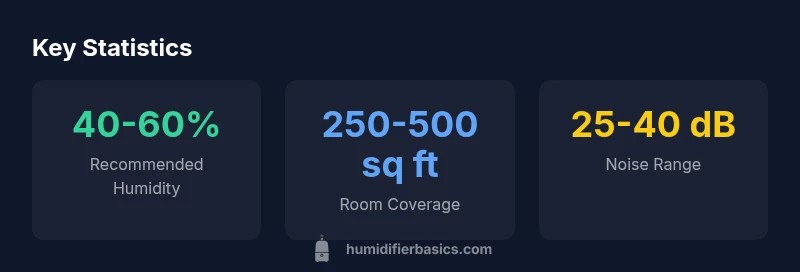
A good target in most nurseries is about 40-60% relative humidity to balance comfort and mold risk. Use a hygrometer to verify indoor RH and adjust the humidifier accordingly.
Target around 40-60% RH, and double-check with a hygrometer to keep baby comfort and safety in mind.
How often should I clean the unit?
Clean the reservoir weekly and perform a deeper clean monthly or as recommended by the manual. Empty water daily and rinse to prevent mineral buildup and mold.
Clean weekly, rinse daily, and do a deeper clean every month to keep it safe.
Can I use tap water or distilled water?
Distilled or demineralized water is recommended to minimize mineral dust and buildup. If you use tap water, clean more often and monitor for scale growth.
Distilled water is best. If you use tap water, plan for extra cleaning and possible mineral buildup.
Is it noisy at night?
The unit operates quietly, designed to be unobtrusive during sleep. If you are sensitive to sound, place it away from the crib and on a stable surface.
It’s generally quiet for night use; place it away from the crib to keep sleep undisturbed.
Does it require replacement filters?
Some versions use simple filters or replaceable components; check your model’s manual for parts and replacement intervals. Regular cleaning reduces the need for frequent replacements.
Check the manual for whether your version has filters, and keep up with routine cleaning to avoid extra costs.
The Essentials
- Choose canopy 2.0 for compact nursery spaces
- Use distilled water to minimize mineral dust
- Expect refills in larger rooms
- Aim for 40-60% RH in nurseries for comfort
- Maintain a regular cleaning schedule to prevent mold